
Container Gardens
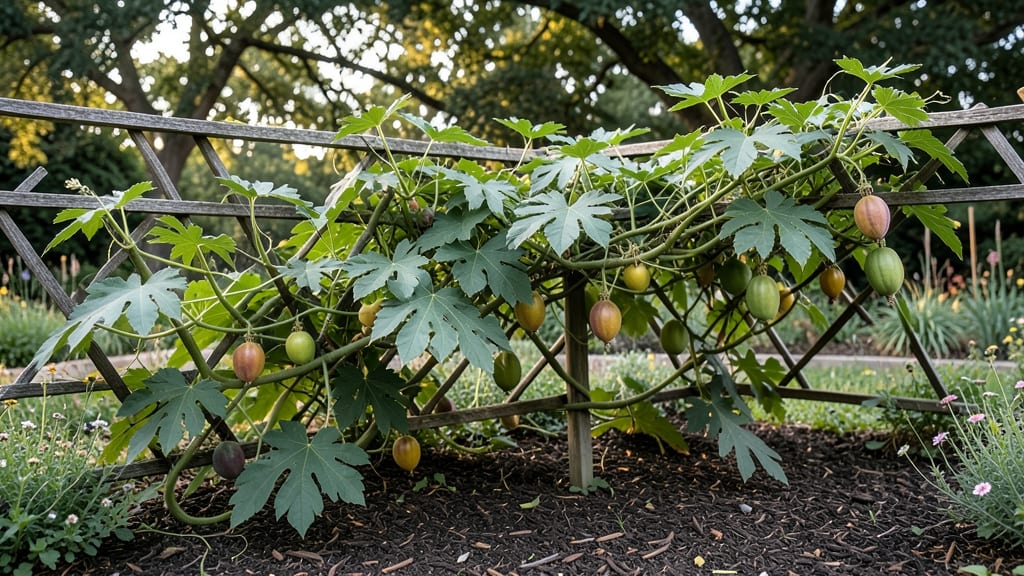
To grow a garden against an ascended fence, use vertical solutions like trellises, wall-mounted planters, or raised beds against the fence. Opt for lightweight plants with shallow roots and prioritize drainage to protect the fence from moisture damage.
An ascended fence creates a unique opportunity to transform vertical space into a thriving garden. 🌿 The key is selecting plants that won't overpower the fence's structure—think herbs like basil or thyme, which stay compact and won't compromise stability.
For a lush look, climbing vines such as morning glories or nasturtiums can add color while keeping roots contained. I've found that adding a drip irrigation system along the fence line prevents water pooling, which can weaken wooden or metal structures over time.
Another smart move is using modular planters that attach directly to the fence. These let you adjust spacing as plants grow, and you can easily swap out seasonal blooms. Just be sure to use waterproof mounting brackets to avoid rot or rust.
The right setup turns an otherwise wasted space into both a functional garden and a privacy screen—win-win!
💡 In This Article
- Vertical Gardening Techniques for Fenced Areas
- Best Low-Maintenance Plants for Fence-Adjacent Gardens
Vertical gardening techniques for fenced areas
When working with an ascended fence, the first challenge is redirecting your gardening focus upward. Trellises are one of the most effective solutions, especially for plants like cucumbers or beans that naturally climb.
Install a sturdy trellis made from powder-coated metal or rot-resistant cedar—these materials won't rust or warp over time. For fences with limited space, opt for a 3-foot tall trellis that attaches directly to the fence with heavy-duty brackets.
The key is positioning it so the plant's vines grow parallel to the fence rather than against it, which prevents strain on both the plant and the fence structure.
Wall-mounted planters offer another elegant solution, particularly for herbs or compact vegetables. These systems use a drip irrigation line integrated into the planter's design, ensuring water reaches the roots without oversaturating the fence.
For example, a 12-inch deep planter with drainage holes prevents water pooling, which could cause rot in wooden fences or corrosion in metal ones. The best materials are lightweight yet durable—think recycled plastic or composite wood that won't add excessive weight to the fence. 🌱
Hanging baskets are ideal for trailing plants like nasturtiums or strawberries, which add visual interest while keeping roots contained. Use baskets with 1-2 inch drainage holes and suspend them from the fence's top rail with nylon straps.
The weight distribution is critical here: larger baskets should be spaced evenly to avoid overloading any single section. For a cohesive look, choose baskets with matching liners and colors to create a uniform appearance along the fence line.
Climbing plants like ivy or morning glories can soften a fence's appearance while adding greenery, but they require careful monitoring. These plants develop roots along their stems, which can cling to the fence and potentially cause moisture buildup.
To mitigate this, use a non-adhesive trellis mesh that allows air circulation while guiding the vines upward. Regular pruning keeps the plants from becoming too heavy, which could stress the fence's structure over time.
For a more structured approach, consider tiered planters that stack vertically against the fence. These systems maximize space by allowing you to grow multiple plants in a small footprint.
For instance, a 3-tier planter with each level 8-12 inches deep can accommodate herbs on the top tier, shallow-rooted veggies in the middle, and flowers at the bottom.
The tiers should be spaced 6-8 inches apart to prevent water from cascading down and pooling at the base of the fence. 💫
Finally, always prioritize the fence's material when choosing your vertical gardening method. Wooden fences need extra protection from moisture, so use waterproof barriers between the fence and planters. Metal fences, on the other hand, benefit from rust-resistant coatings on any mounting hardware.
By tailoring your approach to the fence's specific needs, you'll create a garden that thrives without compromising the structure's integrity.