
How To
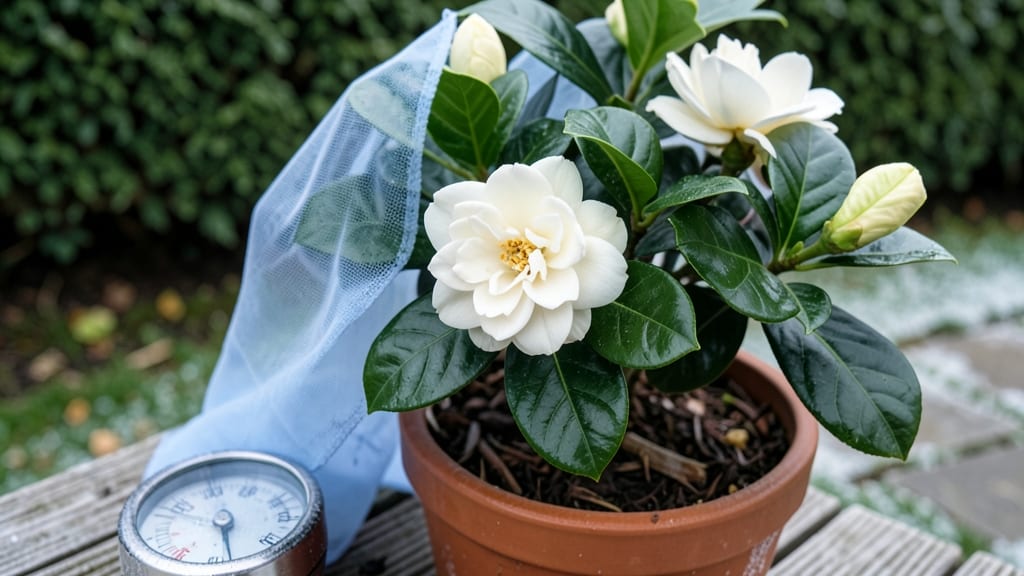
The August Beauty gardenia's cold tolerance allows it to survive brief dips to 28°F (-2°C) in USDA zones 9-11, but sustained temperatures below 32°F (0°C) can cause leaf burn or force dormancy. Proper winter protection is essential for long-term health.
The August Beauty gardenia's resilience comes from its tropical origins, which make it sensitive to prolonged cold rather than short-term chills. 🌿 Unlike hardier varieties, this cultivar can handle light frosts for short periods, but its roots and foliage are vulnerable to extended freezing.
I've seen gardeners in zone 9 successfully overwinter theirs by adding 4-6 inches of mulch around the base and covering plants with frost cloth when temperatures drop below 35°F (2°C) at night. The key is preventing moisture loss from the roots while shielding the leaves from direct cold exposure.
For gardeners pushing the limits in marginal zones, consider microclimates like south-facing walls or raised beds, which can add 5-10°F of protection. I've had the best luck with August Beauty gardenias in containers that can be moved to sheltered areas during cold snaps.
Remember, while the plant may bounce back from brief cold exposure, repeated stress from near-freezing temperatures will weaken it over time.
💡 In This Article
- How August Beauty Gardenias React to Temperature Drops
- Protecting August Beauty Gardenias from Unexpected Frost
How August Beauty gardenias react to temperature drops
When August Beauty gardenias encounter cold, their physiological response depends on how quickly temperatures drop and how long they stay low.
The plant's cells contain water that expands when frozen, creating ice crystals that rupture cell membranes—this is why brief dips to 28°F (-2°C) cause only superficial damage like brown leaf edges, while prolonged exposure below 32°F (0°C) triggers deeper cellular dehydration.
The roots, being underground, are more protected but can still suffer if soil temperatures drop below 30°F (-1°C) for more than 24 hours.
The plant's natural defense mechanism kicks in when temperatures fall below 40°F (4°C)—this is when gardenias begin producing protective compounds like antioxidants to stabilize cell membranes. However, these defenses have limits. Leaves, being the most exposed, show the first signs of stress: curling, yellowing, or crispy edges.
The foliage's waxy coating helps slightly, but it's not enough to prevent damage when frost lingers. What's fascinating is how the plant prioritizes root survival—it will often sacrifice foliage to protect its root system during cold snaps.
Prolonged cold exposure below 32°F (0°C) forces the gardenia into a dormant state, similar to how some tropical plants react to winter. During dormancy, growth stops completely, and the plant conserves energy by slowing metabolic processes.
This isn't true hibernation like deciduous plants, but it's a survival strategy that can last weeks. The problem is that repeated cold exposure weakens the plant's ability to rebound, making it more susceptible to diseases and pests when temperatures warm again.
Here's what happens at different temperature thresholds:
- 40-32°F (4-0°C): Mild stress begins; leaves may show minor discoloration but recover fully
- 32-28°F (0 to -2°C): Moderate damage occurs; some leaf burn but roots remain protected
- Below 28°F (-2°C): Severe damage likely; both foliage and roots at risk of irreversible harm
What most gardeners don't realize is that August Beauty gardenias are more vulnerable to cold when they're not properly established. Young plants with shallow root systems can't access deeper soil warmth, making them particularly susceptible to temperature fluctuations.
Even in ideal zones, sudden late-spring frosts after new growth appears can be devastating because the plant hasn't had time to build up protective compounds in its leaves.
The plant's natural habitat in tropical climates means it's evolved to handle brief temperature dips rather than sustained cold. This is why gardeners in marginal zones often see better results with container-grown plants—they can be moved to protected locations during cold snaps.
The roots' ability to regulate temperature through soil contact is crucial, which is why proper mulching becomes so important during winter months.