
How To
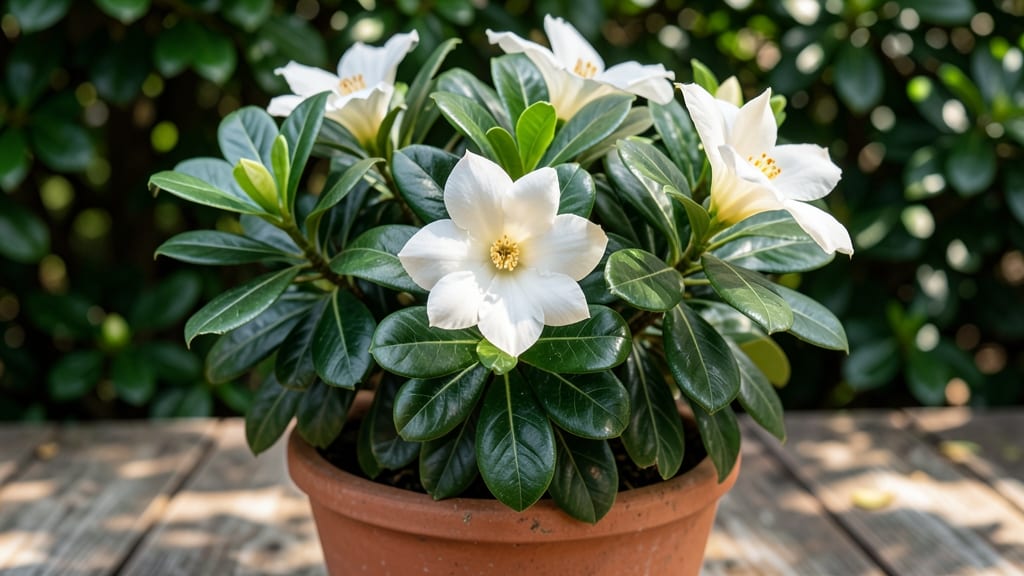
Gardenias grow anywhere from 1.5 to 6 feet tall, depending on the variety and how you care for them 🌸 — but many gardeners are surprised by how quickly they reach their mature height.
If you’re dreaming of fragrant gardenias but wondering whether they’ll tower over your patio or stay compact in containers, their height depends entirely on the variety—and how you prune them.
Standard gardenias like Gardenia jasminoides can hit 4 to 6 feet in just a few years, while dwarf varieties like ‘Kleim’s Hardy’ max out at 1.5 to 2.5 feet, making them perfect for pots or small gardens.
Below, I’ll break down exactly how tall different types grow, how sunlight and pruning affect their size, and whether they’re better suited for containers or landscape planting.


Gardenia height by variety: compact dwarfs vs. tall shrubs
Choosing the right gardenia variety is key if you want a fragrant, low-maintenance shrub that fits your space. Some varieties stay under 2 feet—perfect for containers—while others reach 6 feet or more, making them ideal for privacy screens.
The difference often comes down to genetics, but pruning techniques and growing conditions play a huge role too.
For example, the Gardenia jasminoides 'Kleim’s Hardy' is a cold-hardy dwarf that tops out at just 2-3 feet, while Gardenia augusta can soar to 6 feet if left unpruned.
Even within the same species, growth habits vary based on sunlight exposure, soil acidity, and watering routines. Let’s break down the most popular varieties and what to expect from each.
The dwarf varieties like 'Kleim’s Hardy' and 'Radicans' are my top picks for container gardening or small spaces. They thrive in 5-gallon pots with proper drainage and stay manageable even in USDA Zone 6a—unlike tropical gardenias that need warmer climates.
Just remember, even dwarf gardenias need 6+ hours of light daily to bloom well.
If you’re aiming for a taller gardenia hedge, 'Veitchii' and Gardenia augusta are the go-to choices. These varieties love humid climates and can handle full sun if given enough water.
In Zones 10-11, they’ll grow aggressively—sometimes reaching 8 feet without pruning. For cooler zones, stick to the hardier 'Kleim’s Hardy' or 'Fortuniana'.
One common mistake I see is assuming all gardenias need full sun. While tropical varieties like Gardenia augusta tolerate more sunlight, most jasminoides types prefer morning sun and afternoon shade.
Too much direct afternoon sun can scorch leaves and stunt growth. Test your garden’s light conditions before planting—especially if you’re growing in containers, where overheating is a risk.
For container gardening, choose a pot that’s at least 12 inches wide for dwarf varieties and 18+ inches for larger shrubs. The root system needs room to breathe, and well-draining soil with a
Pruning gardenias for controlled height: when & how to trim
Pruning your gardenias isn’t just about keeping them tidy—it’s the secret to controlling their height while encouraging bushier growth and longer bloom times. Without proper trimming, even dwarf varieties can stretch tall and leggy, losing that lush, fragrant charm.
The key is timing: prune at the right moments to shape your plant without sacrificing next year’s flowers.
Most gardeners make the mistake of pruning at the wrong time, which can reduce flowering or stress the plant. I’ve learned that post-bloom trimming (after flowers fade) is ideal for most varieties, while light shaping cuts in early spring can set the stage for a fuller plant.
Let’s break down the exact steps to keep your gardenias at your desired height—whether you want a compact container plant or a neat landscape shrub.
- 🌸 Post-Bloom (Best for Most Varieties): Trim faded blooms in late summer or early fall to encourage new growth.
- 🌱 Early Spring (Light Shaping): Remove dead or crossing branches before new growth starts (avoid heavy cuts).
- ✂️ Avoid Winter Pruning: Never trim in cold months—it stresses the plant and delays spring blooms.
- ✂️ Bypass Pruners: For clean cuts on stems up to ½ inch thick.
- 🪴 Sterilized Alcohol Wipes: Clean blades between cuts to prevent disease spread.
- 🌿 Garden Gloves: Protect your hands from thorns and sap.
- 📏 For Compact Growth: Cut back 1/3 of the current season’s growth to encourage branching.
- 🌳 For Bushier Shape: Trim just above a leaf node (where leaves grow) to promote new shoots.
- 🚫 Avoid Cutting Flower Buds: Never remove buds or blooms—this reduces next year’s flowers.
- ✂️ Make 45-Degree Angles: Cut at a slight angle 1/4 inch above a leaf node for faster healing.
- 💧 Clean Cuts Only: Use sharp tools to avoid tearing—ragged cuts invite disease.
- 🌿 Remove Only What’s Needed: Never over-prune; aim for 20-30% of the plant’s volume per session.
- 💧 Water Deeply: Give the plant a deep soak to reduce shock.
- ☀️ Provide Light Shade: Keep pruned plants in partial shade for 1-2 weeks to recover.
- 🌱 Fertilize Lightly: Use a balanced acid fertilizer (10-10-10) 4-6 weeks after pruning.
If you’re growing gardenias in containers, pruning is even more critical to prevent root-bound stress. I’ve found that dwarf varieties like ‘Kleim’s Hardy’ thrive at 18-24 inches tall with regular trimming, while standard types can reach 4-6 feet if left unchecked.
The key is consistency—prune once a year (post-bloom) and your gardenias will stay lush, fragrant, and at your ideal height.
Remember, gardenias hate sudden changes, so always prune gradually. Over-pruning in one session can shock the plant and delay blooming. With patience and the right technique, you’ll have a gardenia that’s perfectly sized for your space—whether that’s a potted centerpiece or a privacy hedge. Happy trimming! 🌸