Planting
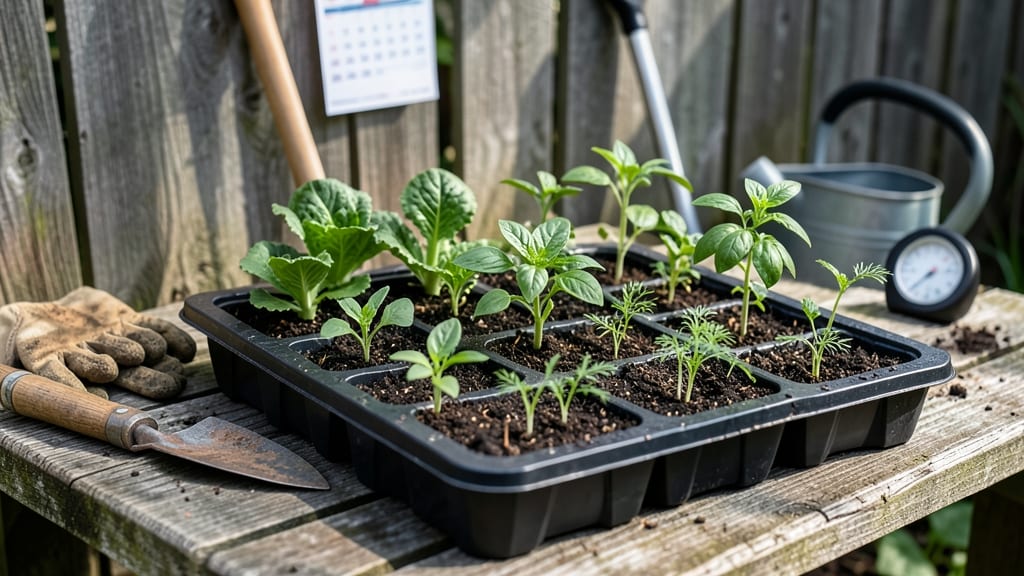
The best time to plant a garden depends on your USDA zone, but missing the window by even a week can mean the difference between a lush harvest and a struggling plot.
Timing your garden planting perfectly can mean the difference between a thriving harvest and a struggle against pests, weather, and slow growth—so why leave it to guesswork?
Whether you’re in Zone 6a or a hotter climate, the right moment varies for cool-season 🌱 greens like spinach and warm-season favorites like tomatoes. Even a 5-day delay can trigger rot or stunted growth, especially if soil temps aren’t right.
Below, I’ll break down the exact planting windows for your zone, plus pro tips to adjust for microclimates, soil prep, and even moon phases—so you can skip the trial-and-error and grow faster.


USDA climate Zone planting calendar: when to start seeds vs transplants
Timing your garden planting is everything—plant too early, and frost will kill your seedlings; too late, and you’ll miss the growing season entirely. The USDA climate zones provide a reliable framework, but even within a zone, microclimates and altitude adjustments can shift your ideal planting window by weeks.
Below, I’ve broken down the best times to start seeds indoors and transplant seedlings outdoors for both cool-season and warm-season crops, tailored to zones 3 through 11.
For example, in Zone 5, cool-season crops like broccoli and spinach should start indoors in March, while warm-season tomatoes and peppers wait until April for transplanting.
But in Zone 9, you might plant warm-season crops in February—the key is understanding your frost-free dates and soil temperature thresholds. Let’s dive into the specifics.
High-altitude gardens (like those in Denver or Salt Lake City) often face cooler soil temperatures and shorter growing seasons, so I’ve included a dedicated row for areas above 5,000 feet.
Here, warm-season crops like peppers may need to wait until June for transplanting, while cool-season crops like kale can handle earlier starts. Always check your last frost date—tools like
How to adjust planting times for local microclimates and soil conditions
Your local microclimate can drastically alter planting times—even within the same USDA zone. Urban areas often experience heat islands that delay frost, while windy spots may need earlier starts. Understanding these variations helps you extend your growing season by 3-6 weeks with minimal effort.
Soil conditions play an equally critical role. Poor drainage or slow-warming soil can leave plants struggling, while raised beds or black plastic mulch accelerate warmth. I’ll show you how to adjust planting windows based on real-world factors, not just calendar dates.
- 🌡️ Soil temp lag: Test with a soil thermometer—wait until 60°F+ for warm-season crops like tomatoes. Cold soil = rot.
- 🏙️ Urban heat islands: Shift planting 2 weeks later in cities (e.g., Zone 7 may act like Zone 8). Use shade cloth for seedlings.
- 💨 Wind exposure: Plant 10-14 days earlier in windy areas—transplants suffer less shock when established faster.
- 🛡️ Row covers/cold frames: Extend spring by 3-4 weeks or fall by 2-3 weeks. Ideal for broccoli and kale.
For slow-draining soil, amend with compost or plant in raised beds—they warm up 2-3 weeks faster than in-ground plots. If your area has late frosts, opt for cold-hardy varieties like peas or spinach and use frost blankets at night.
Ever noticed your tomatoes struggling in hot, dry urban soil? That’s the heat island effect in action. I’ve seen Zone 6 gardens in cities perform like Zone 7—so adjust your planting dates accordingly. Start warm-season crops indoors 4-6 weeks earlier than zone guidelines suggest.
Pro tip: Use black plastic mulch to raise soil temps by 10-15°F in just days. Pair it with drip irrigation to keep roots cool. For windy coastal areas, create windbreaks with bamboo stakes or corn stalks to protect young seedlings.
Don’t let microclimates sabotage your garden. With these adjustments, you’ll maximize your growing season—whether you’re battling urban heat, late frosts, or poor soil. Start testing your soil now, and you’ll be planting at the perfect time in no time. 🌱