
Watering
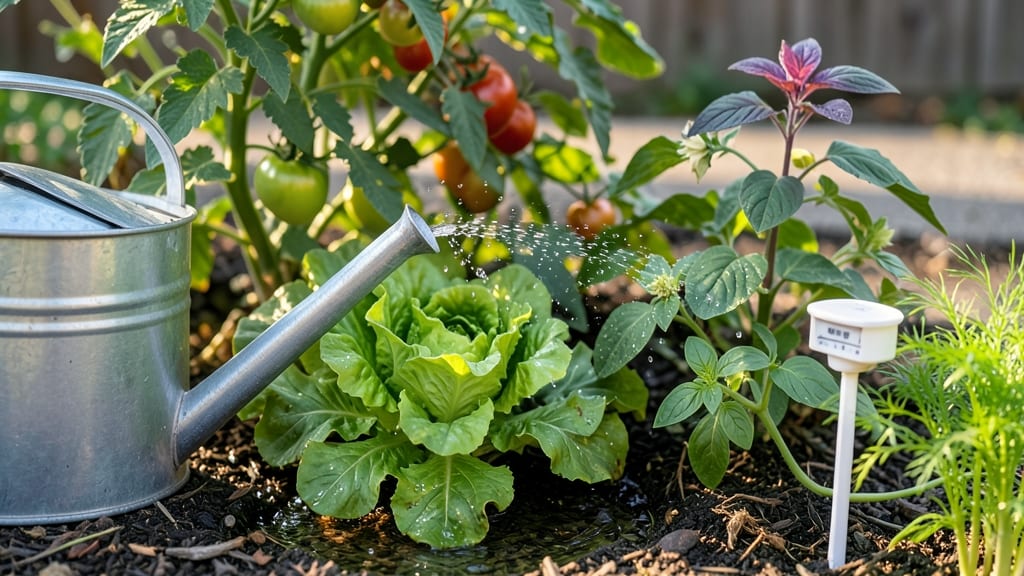
The best time to water your vegetable garden is early morning 🥬—before the sun climbs high and evaporation turns every drop into wasted effort.
Did you know watering at the wrong time can waste up to 30% of your water while stressing plants? The best time to water isn't just about convenience—it's about maximizing root growth, preventing disease, and conserving resources.
Most gardeners assume evening watering keeps soil moist overnight, but that's actually a recipe for fungal trouble. Early morning watering gives plants a full day to absorb moisture before the heat sets in, while also reducing evaporation losses.
In this guide, I'll break down the science behind early morning watering, how to adjust for your climate zone, and 5 common mistakes that could be sabotaging your garden's health—even if you're already watering regularly.


Why early morning is the optimal time to water vegetable gardens
Watering your vegetable garden between 6-9 AM isn't just a habit—it's a science-backed strategy to boost plant health. During these hours, cooler temperatures and higher humidity minimize water loss through evaporation, ensuring your plants get the most hydration per drop.
This early window also allows roots to absorb moisture before the sun peaks, reducing stress on your tomatoes, peppers, and leafy greens.
One of the biggest advantages of morning watering is fungal disease prevention. Wet foliage sitting overnight creates the perfect conditions for powdery mildew and blight to thrive.
By watering early, leaves dry quickly, keeping your plants healthier and more productive. Plus, you'll conserve water—up to 30% more efficiently than evening watering, according to agricultural studies.
Let’s break down the science behind why early morning works best for your vegetable garden’s hydration needs:
| Factor | Early Morning (6-9 AM) Benefits | Why It Matters |
|---|---|---|
| Evaporation Rate | Low (20-30% loss) | Cooler air and dew reduce water waste. |
| Root Absorption | High (deep hydration) | Roots absorb moisture before heat stress. |
| Fungal Risk | Minimal (leaves dry fast) | Prevents powdery mildew and blight. |
| Water Efficiency | Up to 30% saved | Less water lost to heat and wind. |
| Pest Control | Reduced aphids/slugs | Dries out hiding spots for pests. |
Deep root hydration is another critical benefit of morning watering. When you water early, the soil stays moist longer, encouraging roots to grow deeper in search of water. This is especially important for deep-rooted crops like carrots and potatoes, which need consistent moisture at lower soil levels.
Shallow watering—like evening sessions—often leads to weak root systems and stunted growth.
Temperature plays a huge role in how well your plants absorb water. In the morning, soil temperatures are cooler, allowing water to penetrate deeper without evaporating on the surface. By 10 AM, temperatures can rise quickly, causing water to evaporate before it’s absorbed.
This is why gardeners in USDA Zones 7-10 see the most dramatic improvements in yield when switching to morning watering.
For leafy greens like lettuce and spinach, morning watering also reduces bolting—the process where plants prematurely flower and become bitter. Consistent moisture in the cooler hours keeps these crops tender and ready for harvest.
Even heat-loving plants like peppers and eggplants benefit from the deep hydration morning watering provides, helping them withstand afternoon heat stress.
If you’re using a drip irrigation system, set it to run between 6-8 AM for maximum efficiency. This timing ensures water reaches the soil without wetting leaves, further reducing disease risk.
For hand watering, focus on the base of plants rather than overhead spraying, and always water before 9 AM to avoid midday evaporation.
Pro tip: Use a rain gauge to track your garden’s water needs. Aim for 1-2 inches of water per week, delivered in the morning. This simple adjustment can lead to 20-30% larger yields and healthier plants throughout the growing season.
Ready to transform your vegetable garden? Start your watering routine at 6 AM and watch your plants thrive with deeper roots, fewer pests, and less wasted water. Your tomatoes, peppers, and greens will thank you at harvest time! 🌱
Best watering times by climate zone: morning vs afternoon vs evening
Your vegetable garden's watering schedule isn't one-size-fits-all—it depends on your USDA climate zone, humidity levels, and temperature fluctuations. In hot, dry zones (7-10), afternoon watering can evaporate before roots absorb it, while cooler zones (3-6) may benefit from evening watering to prevent overnight freezing.
Let's break down the science behind each zone's ideal watering window.
The key factors are sun intensity, wind exposure, and fungal risk. Morning watering (6-9 AM) works best in most zones because cooler temps reduce evaporation by 30-40% compared to afternoon sessions.
However, in USDA zones 4-6, evening watering (4-6 PM) can help prevent frost damage to wet foliage. Let's compare how each zone differs:
In USDA zones 3-4, I've seen gardeners struggle with evening watering because wet foliage overnight creates perfect conditions for powdery mildew and blight. The solution? Water at soil level using drip irrigation or soaker hoses instead of overhead sprinklers. This keeps leaves dry while still hydrating roots.
For zones 7-10, timing is critical because afternoon heat can turn your watering session into a 30% waste of precious resources. I recommend setting your timer for 5 AM to catch the dew point—when humidity is naturally highest.
This gives plants a head start on hydration before the sun peaks.
One common mistake I see in transition zones (6-7) is watering at noon for convenience. While it might seem harmless, the intense sunlight causes water to evaporate before it reaches roots, and the heat stress can actually burn young seedlings.
Instead, I suggest watering in two short sessions: once in the morning and again in the late afternoon if temps exceed 85°F.
Remember that soil type also plays a role—sandy soils dry out faster and may need twice-daily watering in zones 8-10, while clay soils can hold moisture longer.
Always check soil moisture by sticking your finger 2 inches deep—if it's dry, that's your cue to water, regardless of the clock. 💧