
Container Gardens
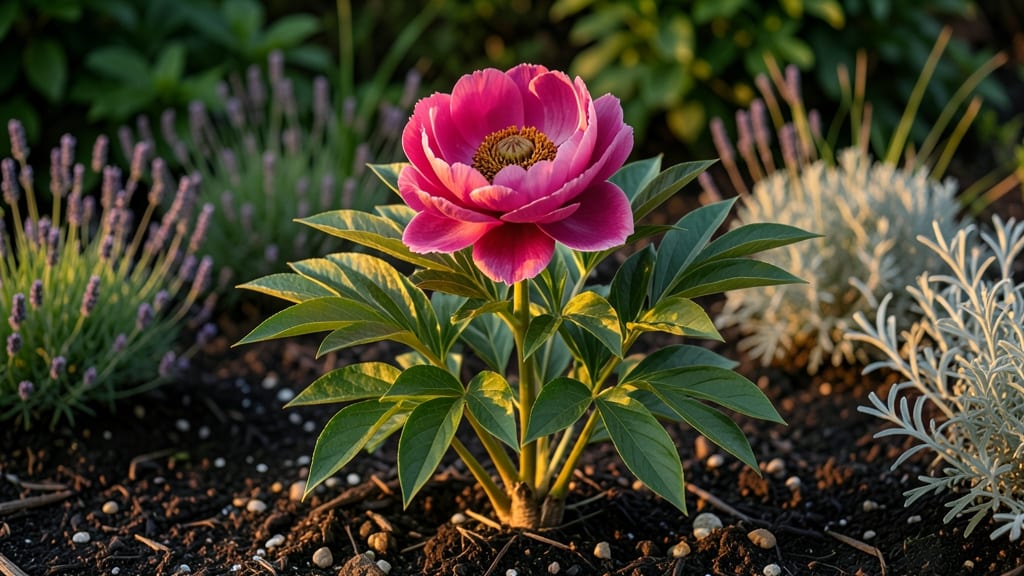
The botanical gardens in Philly offer breathtaking displays including the Victorian Glasshouse, seasonal floral arrangements, and rare orchid collections that merge historic architecture with cutting-edge plant science. Their top five exhibits highlight distinctive botanical specimens and artistic garden layouts ideal for plant enthusiasts.
The botanical gardens in Philly stand out because they preserve Philadelphia's botanical heritage while showcasing modern conservation techniques. 🌿 The Victorian Glasshouse alone features over 1,000 plant species from around the world, creating an immersive experience that connects visitors to global ecosystems.
Beyond the stunning visuals, the gardens play a crucial role in plant research and education, offering workshops and guided tours that reveal the science behind their breathtaking displays.
The seasonal exhibits rotate throughout the year, ensuring there's always something new to discover. From winter's fragrant citrus groves to summer's vibrant butterfly garden, each season brings unique botanical wonders.
What makes these gardens particularly special is their ability to combine educational value with pure aesthetic beauty, making them perfect for both casual visitors and serious plant lovers.
💡 In This Article
- How Philadelphia’s Botanical Gardens Blend History and Horticulture
- Planning Your Visit: Best Times and Tips for Philly’s Botanical Gardens
How Philadelphia’s botanical gardens blend history and horticulture
The Victorian Glasshouse at Philadelphia’s botanical gardens isn’t just a greenhouse—it’s a time capsule. Built in 1893, this iron-and-glass structure showcases over 1,000 plant species from five distinct climates, including a 100-foot-tall palm house that recreates tropical humidity.
The architecture itself is a marvel, with 30-foot-tall skylights that flood the space with natural light while maintaining precise temperature control (a delicate balance between 70-80°F for tropical plants and 50-60°F for temperate species). 🌿
What makes this blend of history and horticulture truly special is the gardens' conservation mission. The Rare Plant Conservatory houses endangered species like the Franklin Tree (named after Benjamin Franklin) and Ghost Orchids, which require 90% humidity and precise light conditions to thrive.
These plants aren’t just decorative—they’re living examples of Philadelphia’s role in plant preservation, with scientists here working on propagation techniques for species facing extinction in the wild.
Take the Butterfly Garden, for example—a seasonal exhibit that transforms into a living ecosystem. Over 20 species of butterflies flutter through 100 varieties of nectar-rich flowers, creating a symphony of color and movement.
The garden’s design mimics natural habitats, with host plants for caterpillars and sunbathing rocks that butterflies use to regulate their body temperature. This isn’t just decoration; it’s an active demonstration of pollination in action, showing visitors how plants and insects coevolve.
The gardens also preserve Philadelphia’s botanical heritage through their historic plant collections. The Perennial Garden features 19th-century medicinal plants used by Philadelphia’s early settlers, while the Japanese Garden reflects the city’s cultural exchange history.
Each exhibit tells a story—whether it’s the 1860s-era greenhouse that once belonged to a local horticulturist or the modern hydroponic displays that show how technology is revolutionizing plant cultivation.
What most visitors don’t realize is how the gardens’ layout itself tells this history.
The Victorian-era pathways wind through themed sections, guiding you from the formal English Garden (with its geometric hedges and topiary sculptures) to the wild, meandering trails of the Native Plant Garden—a deliberate contrast that mirrors Philadelphia’s evolution from a structured colonial city to its modern, diverse identity.
The 1895-era conservatory even uses original steam-powered ventilation systems, a nod to the industrial innovations of the era.
This blend of history and horticulture extends to the gardens’ educational programs. The Plant Science Center offers hands-on workshops where visitors can learn about DNA sequencing in orchids or how Philadelphia’s climate zones influence plant growth.
It’s not just about admiring plants—it’s about understanding their stories, from the 17th-century botanical illustrations in the library to the cutting-edge research happening in the labs today. 💫