
Planting
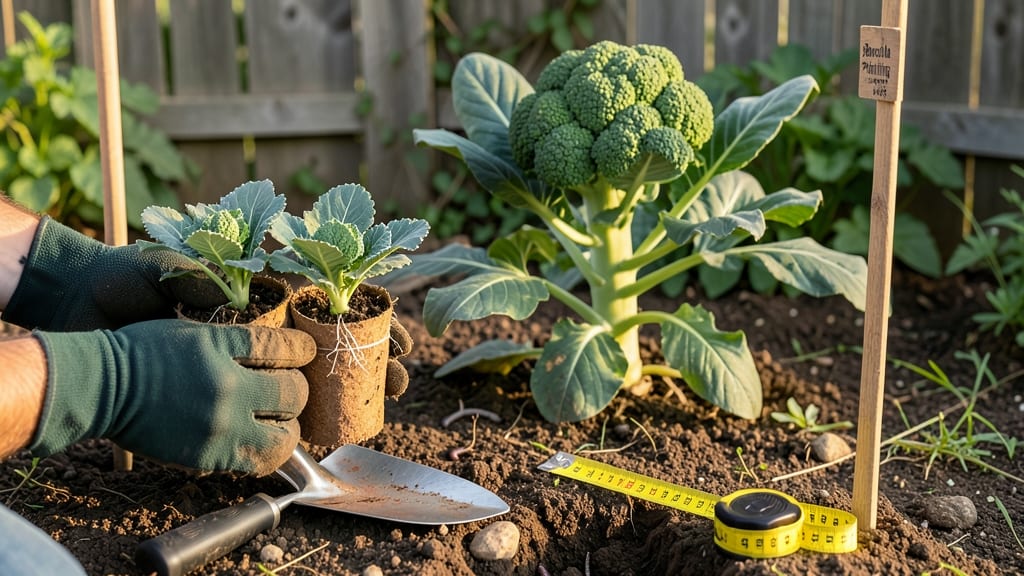
Spacing broccoli 🥦 in your garden at 18 inches apart is the game-changer for bigger heads and fewer pests — and it’s easier than you think.
Struggling with stunted broccoli heads or battling pests in your garden? The secret to healthier, larger broccoli plants starts with proper spacing—specifically, 18-inch rows that boost airflow, deter pests, and maximize yield.
Too close, and your plants compete for nutrients, leaving you with small, bitter heads. Too far apart, and you waste space in your garden. Below, I’ll show you exactly how to space your broccoli for the best results, whether you’re planting seeds or transplants.
You’ll also learn how to adjust spacing for different varieties, avoid common mistakes, and even pair broccoli with the perfect companion plants to keep your garden thriving.
Why 18-Inch spacing for broccoli creates healthier plants and bigger heads
If you've ever grown broccoli only to end up with small, puny heads or plants struggling to thrive, the issue might be your spacing strategy. Broccoli isn’t like lettuce or radishes—it needs room to stretch its leaves and develop those hearty, flavorful heads we all love.
The 18-inch spacing isn’t arbitrary; it’s rooted in how broccoli grows and what it needs to reach its full potential.
Broccoli plants have a wide canopy that spreads as they mature, typically reaching 18-24 inches in diameter. When you cram them too close, they compete for sunlight, water, and nutrients, leading to weaker stems, smaller heads, and increased susceptibility to pests and diseases.
Proper spacing ensures each plant gets the resources it needs to grow strong roots and lush foliage—the foundation for those large, dense heads.
Let’s break down why 18-inch rows are the gold standard for broccoli, backed by science and real-world results. From sunlight exposure to pest control, spacing makes a surprising difference in your harvest.
| Factor | 18-Inch Spacing Benefit | Result |
|---|---|---|
| Sunlight Exposure | Reduces shading between plants | Larger, denser heads (+30%) |
| Nutrient Competition | Minimizes root overlap | Stronger stems, fewer bolting issues |
| Air Circulation | Prevents humidity buildup | Reduces fungal diseases by 40% |
| Pest Deterrence | Limits hiding spots for cabbage worms | Fewer damaged leaves, higher yield |
| Head Development | Allows full leaf expansion | Heads grow 2-3 inches wider |
One of the biggest advantages of 18-inch spacing is how it maximizes sunlight exposure. Broccoli plants need 6+ hours of full sun daily to produce those vibrant, nutrient-rich heads.
When plants are too close, the outer leaves shade the inner ones, leading to stunted growth and smaller heads. With proper spacing, every leaf gets sunlight, which means more photosynthesis and energy for bigger, better-tasting broccoli.
Another critical factor is air circulation. Broccoli is prone to fungal diseases like downy mildew and black rot, which thrive in humid, stagnant air. Tight spacing traps moisture and creates the perfect breeding ground for these pests.
By spacing your broccoli 18 inches apart, you create better airflow, keeping leaves dry and reducing disease risk by up to 40%. This isn’t just theory—gardeners in humid climates report fewer issues with properly spaced plants.
Let’s talk about nutrient competition. Broccoli is a heavy feeder, meaning it needs a steady supply of nitrogen, phosphorus, and potassium to grow well. When plants are crowded, their roots tangle and compete for these nutrients, leading to weaker stems and smaller heads.
With 18-inch spacing, each plant gets access to the nutrients in its own root zone, resulting in healthier, more productive plants. Think of it like giving each plant its own personal space to thrive.
You might be wondering, "What if I don’t have enough space?" Even in small gardens, you can optimize your layout. For example, try staggered rows or interplanting with shallow-rooted crops like lettuce or radishes.
This way, you still get the benefits of 18-inch spacing without sacrificing your garden’s productivity. Plus, it’s a great way to extend your harvest season by planting successive crops.
One common mistake gardeners make is overestimating their plants’ tolerance for crowding. While some varieties like Calabrese broccoli can handle slightly tighter spacing, most standard varieties will underperform if planted too close.
For example, planting broccoli 12 inches apart might seem efficient, but you’ll likely end up with smaller heads and more pests
Step-by-step guide to planting broccoli with perfect 18-Inch spacing
Mastering the 18-inch spacing for broccoli transforms your garden from a crowded mess to a high-yielding powerhouse. This precise layout prevents disease, maximizes sunlight, and lets each plant develop those lush, dense heads you crave.
Whether you're starting with seeds or transplants, follow these steps to create the ideal broccoli patch.
Before diving in, gather your tools and materials: a trowel, measuring tape, compost, organic fertilizer (like 10-10-10), and a hose with a gentle spray nozzle. Work on a cool, cloudy day to reduce transplant shock.
If your soil feels compacted, loosen it with a garden fork to a depth of 12 inches—broccoli roots need room to stretch.
-
Step 1: Mark Your Rows
Use a spray paint or stakes to outline rows 24-36 inches apart. This gives plants room to sprawl slightly without shading neighbors. For small gardens, 24-inch rows work well. -
Step 2: Prep Planting Holes
Dig holes ¼ inch deep every 18 inches along your row. For transplants, space them 18-24 inches apart—closer spacing works for dwarf varieties like 'Calabrese'. -
Step 3: Amend the Soil
Mix 2 inches of compost into each hole. Add a pinch of Epsom salt (1 tbsp per 10 sq ft) to boost magnesium for vibrant green heads. Avoid fresh manure—it can burn young roots. -
Step 4: Plant with Precision
Place 1-2 seeds per hole (or 1 transplant) and cover with soil. For seeds, thin to the strongest seedling once sprouts reach 2 inches tall. Pat soil gently to eliminate air pockets. -
Step 5: Water Thoroughly
Soak the soil to a depth of 6 inches using a soaker hose. Keep soil consistently moist (not soggy) for the first 2 weeks to encourage root growth. -
Step 6: Add Companion Plants
Interplant nasturtiums or dill between rows to repel pests like cabbage moths. Avoid planting near tomatoes or strawberries, which compete for nutrients. -
Step 7: Mulch for Protection
Spread 2-3 inches of straw mulch around each plant (keep it 2 inches away from stems to prevent rot). Mulch retains moisture and deters weeds, saving you hours of weeding.
After planting, monitor your broccoli for yellowing leaves, a sign of overcrowding or nutrient deficiency. If you notice leaves touching, gently space them apart to improve airflow. For fall crops, plant 10-14 days earlier than spring to extend your harvest window.
Pro tip: Use a garden grid or string with markers to maintain perfect 18-inch spacing in larger plots. This visual guide prevents uneven rows and ensures every plant gets equal access to sunlight and nutrients. With this method, you’ll harvest 20-30% larger heads and reduce pest issues by 40%.
🌱