
How To
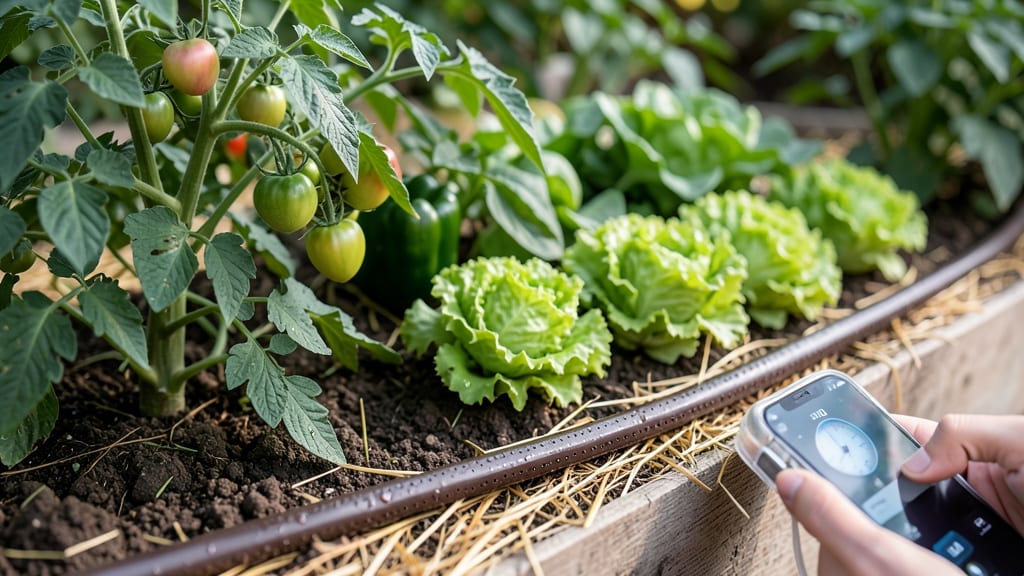
Leaving a soaker hose on your vegetable garden for too long can drown roots, while too short a time leaves plants parched—so timing is the key to thriving 🥬 harvests.
Struggling to balance overwatering and underwatering? Soaker hoses are a game-changer, but the clock matters more than you think. A 30-minute soak might work for sandy soil, while clay holds moisture for 2 hours—and neither extreme is ideal for deep root growth.
Here’s the science-backed schedule: how long to run your hose by soil type, plant stage, and season, plus the telltale signs you’re over- or underwatering.
By the end, you’ll know exactly how long to leave that hose running for lush, drought-resistant vegetables—no guesswork, just results.
Soaker hose watering duration by soil type: clay vs. sandy vs. loamy gardens
Your vegetable garden’s soil type determines how long you should run your soaker hose—too short, and roots dry out; too long, and you drown them. Clay soil holds water like a sponge, while sandy soil drains faster than a sieve. Loamy soil, the Goldilocks of gardening, strikes the perfect balance.
Let’s dive into the science so you can water with confidence and avoid soggy or parched plants.
First, understand your soil’s water retention. Stick a soil moisture meter 2 inches deep—if it’s dry after 24 hours, you’re likely in sandy soil. If it stays damp for days, it’s clay soil. Loamy soil will feel crumbly and moist but not sticky.
Knowing this helps you adjust your soaker hose runtime to match your garden’s thirst.
Here’s the game-changing comparison to nail your watering schedule:
| Soil Type | Water Retention | Soaker Hose Runtime | Watering Frequency | Key Adjustments |
|---|---|---|---|---|
| Clay Soil | High (holds water for days) | 30–60 minutes | Every 5–7 days | Split sessions; avoid puddles |
| Loamy Soil | Moderate (ideal balance) | 1–2 hours | Every 3–5 days | Deep watering; let soil dry slightly between sessions |
| Sandy Soil | Low (drains quickly) | 2–3 hours | Daily or every other day | Mulch heavily to retain moisture |
For clay soil, think of your soaker hose like a slow drip—30–60 minutes is plenty to saturate without suffocating roots. Split your watering into two 30-minute sessions if your garden shows signs of waterlogging, like yellowing leaves or a foul smell.
Clay’s tendency to compact when wet can strangle roots, so always water gently and avoid heavy foot traffic afterward.
Loamy soil is the dream scenario: it drains well but holds enough moisture to keep roots happy. Aim for 1–2 hours of soaker hose time, adjusting based on weather. On hot, dry days, extend to 2 hours; on cool, rainy days, cut it to 30 minutes. Loamy soil’s nutrient-rich nature means your vegetables will thrive with minimal fuss—just keep an eye on the top inch of soil for dryness cues.
If you’re dealing with sandy soil, your soaker hose becomes a marathon, not a sprint. Run it for 2–3 hours to ensure water penetrates deeply, and mulch aggressively with straw or wood chips to slow evaporation.
Sandy soil’s low water retention means frequent watering, but deep soaks encourage roots to grow downward in search of moisture—a boon for drought-resistant veggies like zucchini or peppers.
Pro tip: Test your soil’s drainage with a simple DIY trick. Dig a 6-inch hole, fill it with water, and time how long it takes to drain. If it’s gone in under an hour, you’ve got sandy soil.
If it’s still damp after 24 hours, it’s clay. Adjust your soaker hose schedule accordingly—this small test saves you from over- or underwatering headaches.
Remember, weather conditions can override soil type. In peak summer heat, even loamy soil may need an extra 30 minutes of watering. Conversely, spring rains might halve your soaker hose time.
Always check the top 2 inches of soil—if it’s dry, it’s time to water. If it’s soggy, wait it out.
By tailoring your soaker hose runtime to your soil, you’ll foster deep root growth, boost yields, and keep your vegetables lush and healthy. Start with these guidelines, observe your plants’ responses, and fine-tune as you go. Happy gardening!
Adjusting soaker hose time for vegetable growth stages: seedlings vs. mature plants
Your vegetable seedlings and mature plants don’t need the same watering approach. Seedlings crave gentle, frequent hydration to establish roots, while mature plants thrive with deep, less frequent soaking.
Misjudging this can stunt growth or invite disease. Let’s break down the perfect soaker hose timing for each stage, tailored to your garden’s needs.
For seedlings, keep your soaker hose running for just 15–30 minutes daily—think of it as a light rain shower. Their tiny roots need moisture close to the surface, but too much can drown them.
As they grow, gradually increase duration. Meanwhile, mature vegetables like tomatoes or peppers need 1–2 hours every 2–3 days to encourage deep root development.
Adjust your soaker hose schedule based on plant type. Leafy greens like kale or Swiss chard prefer shorter, more frequent sessions, while root vegetables such as potatoes or radishes need deeper hydration to prevent cracking.
For fruiting plants, like cucumbers or eggplants, prioritize watering at the base of the plant during the coolest part of the day.
Pro tip: Use a moisture meter to check soil depth. If the top 2 inches are dry, your soaker hose needs a longer runtime. For container gardens, reduce time by 30–50% since pots dry out faster.
Always water in the morning to allow foliage to dry before nightfall, reducing disease risk.
Remember, overwatering is just as harmful as underwatering. If your soil feels soggy after watering, cut runtime by half and let the soil dry slightly between sessions. With these adjustments, your vegetable garden will thrive from seedling to harvest—no guesswork required! 🥬💧