
Fertilization
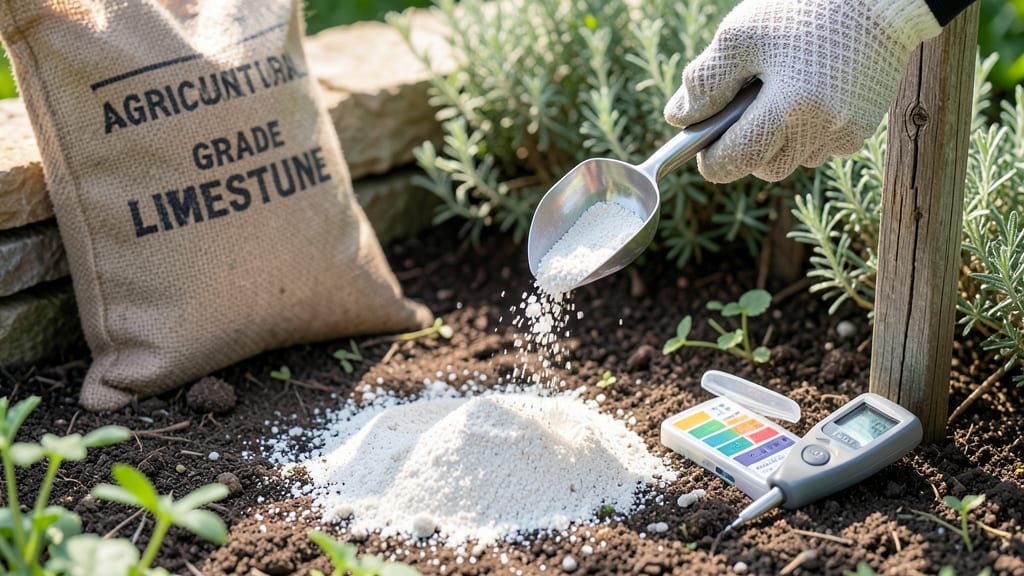
Using calcium carbonate in gardening helps balance soil pH for acid-sensitive plants like blueberries or azaleas. Spread 1-2 pounds per 100 square feet into the top 6 inches of soil for gradual pH adjustment over weeks.
Calcium carbonate, often called garden lime, works by reacting with acidic hydrogen ions in the soil to form water and carbon dioxide, effectively raising the pH level. 🌱 Unlike quick-acting lime, it provides a slower, more controlled adjustment that prevents sudden pH spikes which can harm plant roots.
I've found it's especially useful for gardeners who need to fine-tune soil chemistry without the risk of over-alkalizing—just test your soil first to determine exactly how much you need.
For best results, apply it in early spring before planting or after harvesting when soil is workable. Mix it into the top 6 inches of soil and water thoroughly to help it integrate. Remember, you can always add more later if needed, but you can't easily reverse over-application.
I recommend re-testing your soil 3-4 months after application to ensure you've achieved the ideal pH range for your plants.
💡 In This Article
- How Calcium Carbonate Adjusts Soil pH Levels
- Best Practices for Applying Calcium Carbonate to Gardens
How calcium carbonate adjusts soil pH levels
Calcium carbonate (CaCO₃) works as a soil amendment through a simple but powerful chemical reaction called neutralization. When you add it to acidic soil, the calcium carbonate molecules react with hydrogen ions (H⁺) - the primary contributors to soil acidity - forming water (H₂O) and carbon dioxide (CO₂).
This reaction reduces the concentration of free hydrogen ions, which directly raises the soil's pH level toward neutrality (around 7.0 on the pH scale). The process is gradual because calcium carbonate dissolves slowly in soil water, preventing sudden pH spikes that could damage plant roots. 🌱
Unlike quick-lime (calcium oxide) or hydrated lime (calcium hydroxide), calcium carbonate provides a more controlled release of alkalinity. Its lower solubility means it won't cause the rapid pH swings that can stress plants or alter soil microbial communities.
For example, in a 5.0 pH soil (highly acidic), applying calcium carbonate will gradually raise the pH to around 6.0-6.5 over several weeks, creating an optimal environment for acid-sensitive plants like blueberries (which thrive at 4.5-5.5) or azaleas (ideal at 5.0-6.0).
The key difference is that calcium carbonate's effect is predictable and long-lasting, unlike synthetic pH adjusters that may provide temporary fixes.
What makes calcium carbonate particularly effective is its dual benefit: while raising pH, it also supplies essential calcium and magnesium nutrients. The calcium helps strengthen cell walls in plants, improving drought resistance and overall vigor. This two-for-one benefit makes it more economical than single-purpose amendments.
For instance, in a 100-square-foot garden bed, applying 1-2 pounds of calcium carbonate not only adjusts pH but also provides enough calcium to support healthy plant development for the growing season. The magnesium component further enhances soil structure by improving cation exchange capacity. ✨
However, the effectiveness depends on several factors. Soil organic matter content plays a crucial role - soils with higher organic matter (like compost-rich beds) will show faster pH changes because organic acids accelerate the dissolution of calcium carbonate.
Clay soils, with their high surface area, also react more quickly than sandy soils. Temperature matters too: warmer soils (above 50°F) facilitate faster chemical reactions.
That's why spring or early fall application yields the best results, as soil temperatures are moderate and microbial activity is optimal for breaking down the amendment. 💫
One common misconception is that calcium carbonate will immediately raise pH to neutral levels. In reality, its effect is cumulative. For every 1 pound applied per 100 square feet, you can expect a pH increase of approximately 0.5-1.0 units over 3-6 months, depending on your soil type.
This gradual adjustment is what makes it safer than more aggressive amendments. For example, applying 2 pounds to a 5.5 pH soil might raise it to 6.5 by next spring, creating perfect conditions for vegetables like tomatoes or peppers that prefer slightly acidic to neutral soils.
To visualize the process, think of calcium carbonate as a slow-release pH buffer. When hydrogen ions flood the soil (from rain, organic decomposition, or fertilizer breakdown), the calcium carbonate acts like a sponge, absorbing excess acidity without creating harmful chemical byproducts.
This buffering capacity is why gardeners often use it as a preventative measure in areas with naturally acidic soils, like the Pacific Northwest or regions with high rainfall that leaches calcium from the soil. The result is a more stable soil environment where plants can access nutrients more efficiently. 🔥
For those concerned about environmental impact, calcium carbonate is an eco-friendly choice. It's naturally occurring (found in limestone and chalk), non-toxic to plants and soil organisms when used correctly, and doesn't contribute to soil salinization like some synthetic amendments.
The carbon dioxide released during the neutralization process is simply part of the natural carbon cycle, making it a sustainable option for long-term soil management. This chemical's gentle yet effective nature is why it remains a gardener's go-to for precise pH adjustment. 🌿