
Advice
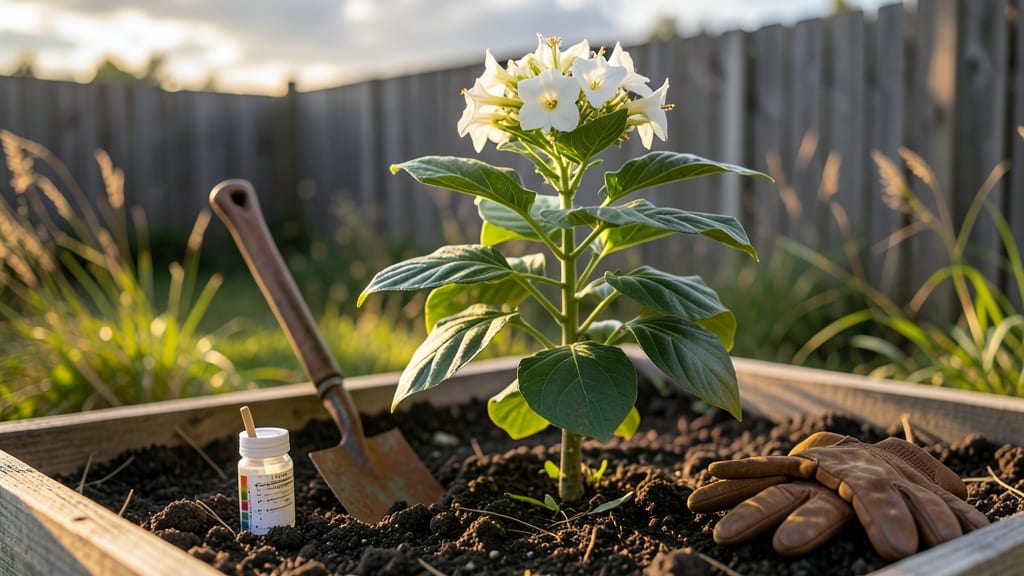
You can grow tobacco in your garden, but strict regulations apply: verify your state's laws first, as many require permits or prohibit cultivation entirely. Plant in well-draining, slightly acidic soil with full sun exposure and consistent moisture. Varieties like Burley or Maryland thrive in home gardens when legal in your area.
Before planting, research your state's specific rules—some allow only ornamental varieties, while others ban all cultivation. 🌱 Many growers overlook the fact that even seed production may require permits, so check local agricultural offices for exact requirements.
The right soil mix (pH 5.8-6.5) and proper spacing (18-24 inches apart) can dramatically improve yield and reduce disease risks.
Once you've confirmed legality, focus on soil preparation: tobacco hates soggy roots, so raised beds with composted organic matter work wonders. 💧 Water deeply at the base of plants rather than overhead to prevent fungal issues.
Many gardeners swear by companion planting with marigolds or basil to deter pests naturally—just avoid planting near vegetables, as tobacco can inhibit their growth.
💡 In This Article
- State-by-State Tobacco Cultivation Laws
- Optimal Soil and Growing Conditions for Homegrown Tobacco
Optimal soil and growing conditions for homegrown tobacco
Tobacco plants thrive in soil with a pH range of 5.8 to 6.5, slightly acidic conditions that mimic their natural growing environments. 🌱 This acidity helps prevent fungal diseases like black shank, which thrives in alkaline soils.
Test your soil using a home kit or send a sample to a local agricultural extension office—they often offer affordable testing services. If your soil is too alkaline, amend it with elemental sulfur or peat moss to adjust the pH gradually over several weeks.
The drainage system is equally critical—tobacco roots rot quickly in waterlogged conditions. Plant in raised beds or mounds with a mix of 60% sandy loam and 40% well-composted organic matter, like leaf mold or aged manure.
This blend ensures excess water drains away while retaining enough moisture to prevent wilting. Avoid clay-heavy soils, which compact easily and suffocate roots. For container growing (where legal), use large pots with drainage holes and a mix of perlite and coconut coir to maintain aeration.
Full sun exposure is non-negotiable: tobacco requires at least 8-10 hours of direct sunlight daily to develop strong stems and flavorful leaves. 💡 In hot climates, provide afternoon shade to prevent leaf scorch, which turns edges brown and crispy.
The ideal temperature range for growth is 70-85°F during the day and 60-65°F at night. Many gardeners swear by planting in early spring (after the last frost) to give plants a 90-120 day growing season before the first frost hits—this ensures full maturity and maximum yield.
Spacing plays a crucial role in disease prevention and airflow. Plant seeds or seedlings 18-24 inches apart in rows spaced 36-48 inches apart to allow for proper circulation. Crowded plants develop fungal issues faster due to humidity trapped between leaves.
Thin seedlings to the strongest 2-3 plants per foot once they reach 4-6 inches tall, using clean scissors to avoid damaging roots. This might seem wasteful, but it dramatically reduces the risk of black shank and mosaic virus, two common tobacco killers.
Watering requires a delicate balance: tobacco plants need consistent moisture but hate soggy feet. 💧 Water deeply at the base 2-3 times per week, providing about 1-1.5 inches of water per week, depending on rainfall.
Use drip irrigation or soaker hoses to deliver water directly to the soil, avoiding overhead sprinklers that spread fungal spores. Early morning watering (before 9 AM) allows foliage to dry quickly, reducing humidity-related diseases.
Mulch with straw or shredded leaves to retain moisture and suppress weeds, but keep mulch 2-3 inches away from stems to prevent rot.
Companion planting can work wonders for pest control and flavor enhancement. Marigolds, for example, repel nematodes and aphids with their strong scent, while basil deters whiteflies and improves leaf aroma. 🌿 However, avoid planting tobacco near potatoes, tomatoes, or peppers—these nightshades share diseases like early blight.
Instead, pair it with beans or squash, which improve soil nitrogen levels naturally. Many heirloom growers also swear by planting tobacco near corn, as the tall stalks provide shade and break wind patterns that can stress delicate leaves.