
Plants
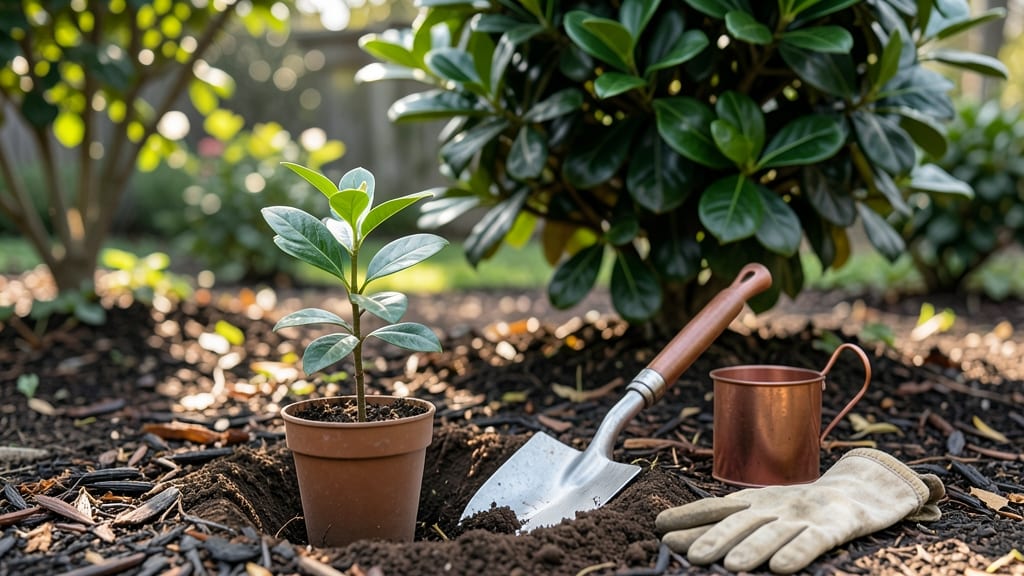
You can plant gardenias outside in USDA zones 7-11, where they flourish with partial shade and well-draining soil. Cold-sensitive varieties require winter protection or indoor overwintering in cooler climates. Opt for frost-resistant types like Gardenia jasminoides for reliable outdoor growth.
Gardenias love warmth but aren't as delicate as you might think. 🌿 These fragrant shrubs handle outdoor conditions beautifully in their ideal zones, though they'll reward you with fewer blooms if temperatures dip below 20°F.
The key is choosing the right spot—morning sun with afternoon shade mimics their native tropical habitat while preventing leaf scorch.
I've found that adding a thick layer of organic mulch (like pine bark) helps regulate soil temperature, which is especially helpful in marginal zones like zone 6 during summer heat waves.
What sets gardenias apart is their soil sensitivity. They demand acidic soil (pH 4.5-6.0), so test your garden's pH before planting. If your area gets harsh winters, consider container growing—you can bring potted gardenias indoors during frost and return them outside in spring when temperatures stabilize above 50°F.
This method gives you the best of both worlds: outdoor fragrance and winter survival.
💡 In This Article
- Gardenia Planting Zones and Cold Hardiness Limits
- Outdoor Gardenia Care: Sunlight, Soil, and Seasonal Adjustments
Gardenia planting zones and cold hardiness limits
Gardenias (Gardenia jasminoides) are tropical shrubs that thrive in USDA zones 7 through 11, where winter temperatures rarely drop below 20°F (-6.7°C). The plant's cold sensitivity stems from its native habitat in Southeast Asia, where it grows under partial shade in warm, humid climates.
When exposed to prolonged temperatures below 30°F (-1.1°C), gardenias experience cellular damage as ice crystals form in leaf tissues, disrupting water transport and causing brown, crispy foliage. 🌡️
The most frost-sensitive parts are the new growth and flower buds, which can be killed by even light frosts (28°F (-2.2°C)). In zone 7, gardenias may survive winters if protected, but they often lose leaves and require pruning in spring.
Zone 8 offers better reliability, while zones 9-11 provide ideal conditions with minimal stress. Microclimates like urban areas with heat-retaining buildings or south-facing walls can extend gardenia viability into zone 6 during summer months, though winter protection remains essential.
What's fascinating is how gardenias adapt to temperature fluctuations. Their thick, waxy leaves help reduce water loss in heat, but this protective layer also makes them vulnerable to cold-induced dehydration.
When nighttime temperatures drop below 40°F (4.4°C) consistently, the plant shifts into a semi-dormant state, conserving energy but often delaying spring blooming until warmer weather stabilizes. This is why gardeners in marginal zones report fewer flowers if winter protection isn't applied.
For those pushing gardenias into zone 6, consider these hardiness thresholds: 25°F (-3.9°C) causes leaf burn, 20°F (-6.7°C) damages stems, and below 15°F (-9.4°C) can kill the plant entirely.
The key is creating a buffer - wrapping the base with burlap or using frost blankets during sudden cold snaps can make all the difference. I've seen gardenias in zone 6 thrive when planted against brick walls that absorb and radiate heat during the day.
Interestingly, gardenias exhibit different cold tolerance at various growth stages. Young plants (under 2 years) are more vulnerable than mature specimens with established root systems.
This is why nurseries recommend waiting until spring (when soil temperatures reach 60°F (15.6°C)) to transplant gardenias outdoors, giving them time to acclimate before summer heat arrives. The root zone is particularly critical - cold soil slows nutrient uptake, weakening the plant's resilience.
Here's what actually happens during a freeze: Ice crystals form in the plant's vascular system, blocking water flow and causing cellular dehydration. The first visible signs are brown edges on leaves, followed by blackened stems if temperatures remain low for more than 4-6 hours.
What most people don't realize is that gardenias can recover from light frost damage if given proper care - prune back damaged growth in spring and fertilize with acidic compost to stimulate new growth. 🌱