
Fertilization
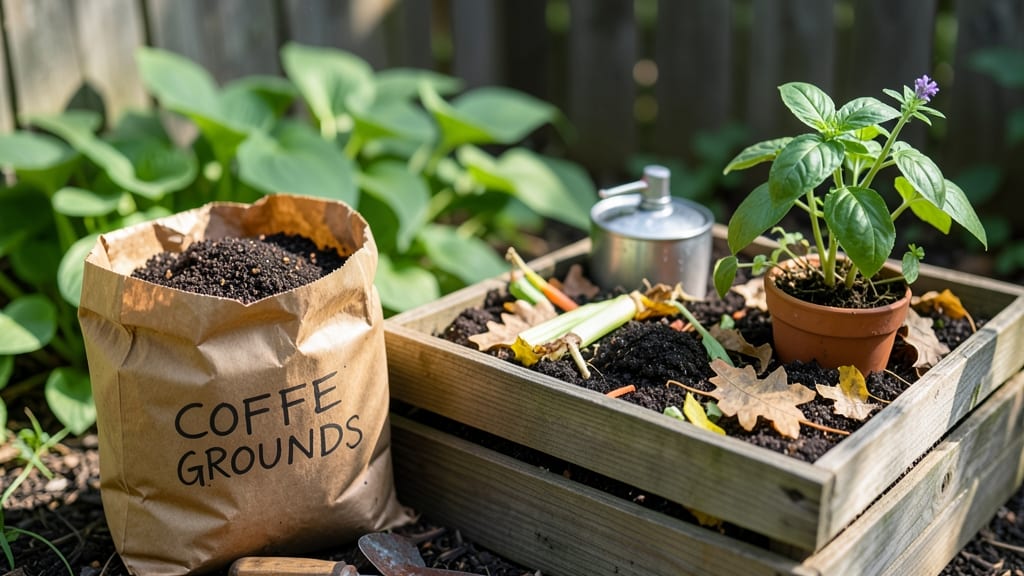
Using coffee grounds as garden fertilizer adds nitrogen-rich organic matter to soil, improving moisture retention and microbial activity while repelling pests like slugs and snails. Spread dried grounds lightly around plants or compost them for gradual nutrient release.
Coffee grounds make an excellent natural fertilizer because they're packed with nitrogen—about 2-3% by weight—which helps foliage grow lush and green. 🌱 The grounds also act as a soil conditioner, breaking down slowly to improve texture and water-holding capacity.
What's more, the caffeine in coffee acts as a natural pest deterrent, keeping unwanted critters away from your garden beds. Just remember to use them sparingly, as too much can make soil too acidic for sensitive plants.
For best results, mix ¼ to ½ cup of dried grounds into the top inch of soil around plants in spring or fall, or toss them into your compost pile for a nutrient boost.
Acid-loving plants like blueberries and azaleas thrive with this treatment, while vegetables and herbs benefit from the microbial activity it stimulates.
💡 In This Article
- How Coffee Grounds Improve Soil Chemistry and Plant Growth
- Best Practices for Applying Coffee Grounds to Gardens
How coffee grounds improve soil chemistry and plant growth
Coffee grounds work as a fertilizer because they contain about 2-3% nitrogen by weight, a crucial nutrient for leafy growth. This nitrogen comes primarily from proteins and amino acids in the coffee beans, which break down into ammonium (NH₄⁺) when decomposed by soil microbes.
The process releases nitrogen gradually over 2-4 weeks, providing a slow-release boost that supports vigorous foliage production in plants like lettuce, spinach, and basil.
The caffeine in coffee grounds—about 0.5-1.5% by weight—plays an unexpected but valuable role. While toxic to humans in high doses, caffeine acts as a natural herbicide when applied directly to weed seeds.
Studies show it can inhibit seed germination by up to 80% in some species, giving your desired plants a competitive edge. The grounds also contain potassium and phosphorus, though in smaller amounts, contributing to overall soil fertility while the organic matter improves soil structure.
Here's the soil chemistry twist: coffee grounds are acidic with a pH of about 6.2-6.8 when fresh, which can lower the pH of neutral or alkaline soils over time.
This makes them ideal for acid-loving plants like blueberries, azaleas, and rhododendrons, but may be too harsh for vegetables like tomatoes or peppers that prefer slightly acidic to neutral soil (pH 6.0-7.0).
The microbial activity stimulated by coffee grounds also helps break down organic matter faster, creating a more porous soil that retains moisture better.
What most gardeners overlook is how coffee grounds affect soil biology. The grounds provide a food source for beneficial microbes like actinobacteria and fungi, which in turn help decompose other organic materials in your garden.
This creates a virtuous cycle where microbial activity increases nutrient availability for plants while also suppressing harmful pathogens. The texture of coffee grounds—fine but slightly gritty—helps improve soil aeration when mixed into garden beds.
For maximum benefits, use dried coffee grounds rather than wet ones, as fresh grounds can create anaerobic pockets that harm soil microbes. The drying process also reduces the risk of clumping, which could suffocate plant roots.
When applied correctly, coffee grounds can reduce the need for synthetic nitrogen fertilizers by up to 30% while enhancing soil health through improved microbial diversity and organic matter content.
Consider this comparison: A single 12-ounce cup of coffee grounds contains roughly 0.6-1.2 grams of nitrogen, equivalent to about 1/10 of a teaspoon of synthetic urea fertilizer. The difference?
Coffee grounds provide this nitrogen along with other organic compounds that improve soil structure and microbial life, rather than just delivering a single nutrient like chemical fertilizers do.