
Fertilization
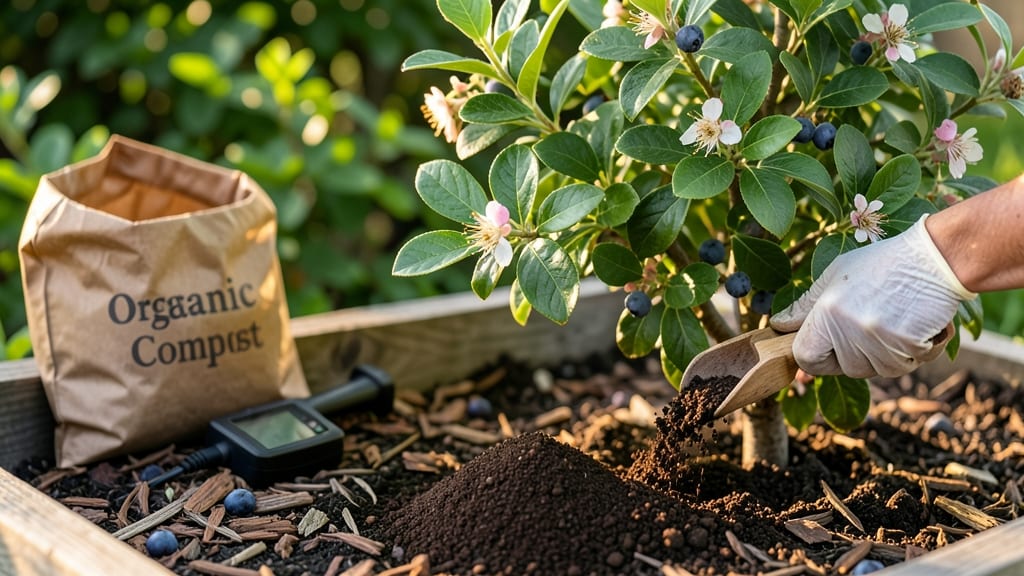
Using coffee grounds in the garden enriches soil with nitrogen and organic matter, improving moisture retention and suppressing weeds, but overuse can acidify soil or attract pests like slugs. Apply sparingly as mulch or compost additive for balanced benefits.
Coffee grounds are a powerhouse for gardeners because they're packed with nitrogen—a key nutrient plants crave for leafy growth.
When mixed into soil, they also feed beneficial microbes, breaking down into slow-release nutrients over time. 🌱 The organic matter helps soil hold moisture better, reducing watering needs, while the caffeine content (in small amounts) can even deter some pests.
However, too much can make soil too acidic for delicate plants like tomatoes or blueberries, so moderation is key.
For best results, I recommend sprinkling a thin layer (about 1/4 inch) around acid-loving plants like azaleas or mixing them into compost piles. Avoid using fresh grounds directly on seedlings or tender roots—they can clump and suffocate young plants.
Instead, compost them first to mellow their texture and balance their acidity.
💡 In This Article
- How Coffee Grounds Boost Soil Health and Plant Growth
- Best Practices for Applying Coffee Grounds in Your Garden
How coffee grounds boost soil health and plant growth
Coffee grounds work as a soil enhancer primarily because they're rich in nitrogen—a nutrient that fuels leafy growth and chlorophyll production. When grounds decompose, they release about 2% nitrogen by weight, comparable to some organic fertilizers but with a slower release rate.
This nitrogen boost stimulates microbial activity in the soil, creating a thriving ecosystem that breaks down organic matter more efficiently. Think of it like adding a small dose of fertilizer to your compost pile—it kickstarts decomposition and creates nutrient-rich humus over time. 🌱
The organic matter in coffee grounds also improves soil structure by increasing its ability to retain moisture. A study published in the Journal of Environmental Quality found that soils amended with coffee grounds held 20-30% more water than untreated soil, reducing irrigation needs by up to 15%.
The grounds act like tiny sponges, absorbing and slowly releasing moisture back into the root zone. Additionally, the caffeine in coffee (about 0.5-1.5% by weight) acts as a natural pest deterrent, repelling ants, slugs, and even some fungal pathogens in small doses.
However, the pH effects are where coffee grounds get tricky. Fresh grounds are acidic, with a pH of around 4.5-5.5, which can lower soil pH over time. For acid-loving plants like blueberries, azaleas, or hydrangeas, this is a bonus—their ideal pH range is 4.5-5.5.
But for vegetables like tomatoes, peppers, or carroots, which prefer slightly acidic to neutral soil (6.0-7.0), too many grounds can stunt growth. The key is balance: use them as a supplement, not a primary soil amendment.
One often-overlooked benefit is how coffee grounds improve soil aeration. As they break down, they create tiny air pockets that help roots breathe better. This is especially helpful in dense, clay-heavy soils where compaction is an issue.
For example, amending a 10-square-foot garden bed with 1-2 cups of used grounds (about 1/4 inch deep) can loosen the soil over time, making it easier for roots to penetrate. The texture of coffee grounds also helps prevent soil crusting, which is common in sandy soils.
When comparing coffee grounds to traditional compost or fertilizer, they offer a unique combination of slow-release nitrogen and organic matter without the risk of burning plants like synthetic fertilizers. Unlike manure or kitchen scraps, which can attract pests, coffee grounds decompose cleanly and leave behind a nutrient-rich residue.
For gardeners using organic methods, they're a free, effective way to boost soil health without synthetic inputs. Just remember: moderation is key to avoiding over-acidification or pest problems. 💫