
Vegetables
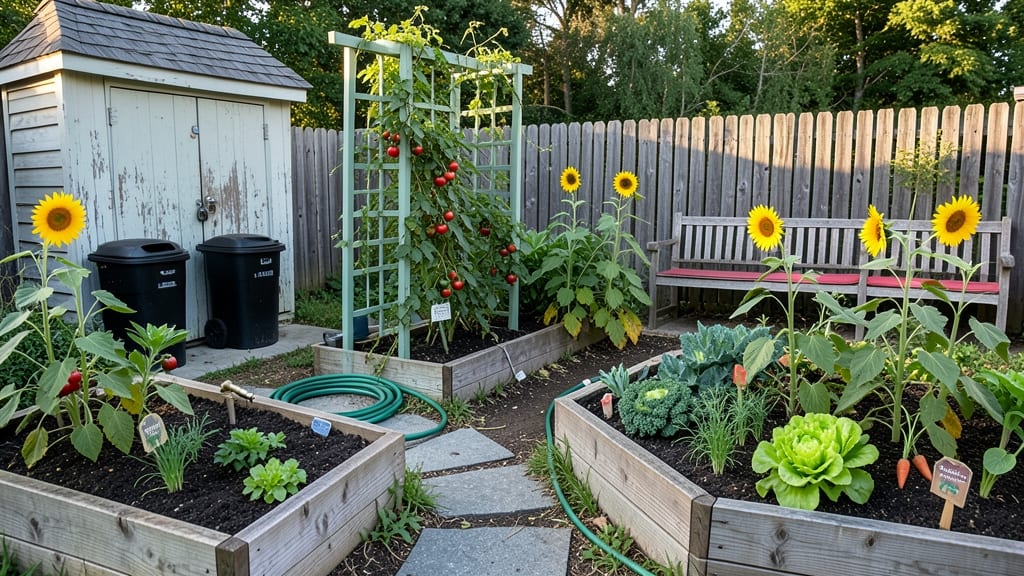
A community garden in Salt Lake City needs land secured through partnerships, a clear mission statement, and permits from Salt Lake City’s Parks & Recreation Department. Early resident engagement and soil preparation for Utah’s dry conditions are key.
Salt Lake City offers plenty of opportunities to start a community garden, but success depends on navigating local regulations and climate challenges. 🌱 The city’s Parks & Recreation Department provides resources for finding available plots, including public spaces and university-affiliated gardens.
Utah’s alkaline soil often requires special amendments like compost or sulfur to create optimal growing conditions.
Once you’ve secured your space, focus on drought-resistant plants like native grasses or succulents to conserve water—a critical consideration in Salt Lake’s arid environment. Partnering with local schools or nonprofits like Urban Roots can help mobilize volunteers and share resources, making your garden more sustainable from the start.
💡 In This Article
- Salt Lake City’s Land and Permit Requirements for Community Gardens
- Building a Thriving Utah Community Garden: Design and Volunteer Tips
Salt Lake city’s land and permit requirements for community gardens
Salt Lake City’s community garden landscape begins with land acquisition, where public and private options both offer unique advantages. The city’s Parks & Recreation Department maintains several public garden plots through its Community Garden Program, with spaces available on a first-come, first-served basis.
For example, the Redwood Road Community Garden near the University of Utah offers 200+ plots ranging from 10x10 feet to 20x20 feet, perfect for both beginners and experienced gardeners.
Private land options often come from partnerships with institutions like Utah State University, which manages the USU Community Garden with 120 plots and provides soil testing services included in the rental fee.
The permit process involves three key steps: submitting an application, attending a zoning workshop, and undergoing a soil analysis. Salt Lake City’s soil is naturally alkaline (pH 7.5-8.5), which can hinder nutrient absorption for many plants.
A mandatory soil test (costing $50-$75) identifies deficiencies like low organic matter or high salt content—common issues in Utah’s arid climate. The city recommends amending soil with compost or sulfur to adjust pH levels, a process that can take 4-6 weeks before planting.
For example, the Salt Lake County Extension Office offers discounted soil testing kits for community groups.
Zoning laws require gardens to follow specific guidelines, such as maintaining at least 3 feet of clearance from property lines and avoiding commercial sales of produce. The city also mandates that gardens remain accessible to all residents, which often translates to weekend workdays and volunteer-led maintenance schedules.
What most people don’t realize is that Salt Lake City’s Water Conservation Code applies to community gardens, requiring efficient irrigation systems like drip lines or soaker hoses to comply with 20% water usage restrictions during peak summer months. 💧
Partnerships with local organizations can streamline the permit process. For instance, the Urban Roots nonprofit has pre-approved agreements with the city, allowing their affiliated gardens to bypass certain zoning reviews.
These partnerships also provide access to shared tools, compost, and even rainwater collection systems, which are critical in Utah’s 15-inch annual rainfall climate.
The city’s Community Garden Permit Application (available online) includes a checklist for required documents, such as a site map, volunteer agreement, and water usage plan—all of which can be expedited with organizational backing.
One often-overlooked detail is the liability waiver required for all community gardens. This protects organizers from claims related to injuries or property damage, but it also requires gardens to post clear signage about safety rules (e.g., "No glass containers" or "Children must be supervised").
The city provides templates for these waivers, but gardens must submit them alongside their permit applications. For example, the Sugar House Community Garden includes a first-aid kit station and weekly safety briefings as part of their waiver compliance strategy.
To get started, visit the Salt Lake City Parks & Recreation Department’s Community Garden Portal (link: slcgov.com/communitygardens) for current plot availability and application deadlines.
Most permits are processed within 4-6 weeks, but priority is given to gardens that demonstrate community engagement plans, such as hosting free workshops for seniors or youth gardening programs.
The city even offers $500 grants for gardens that incorporate pollinator-friendly plants or urban farming education—making it easier to secure both land and funding simultaneously. 🌿