Planting
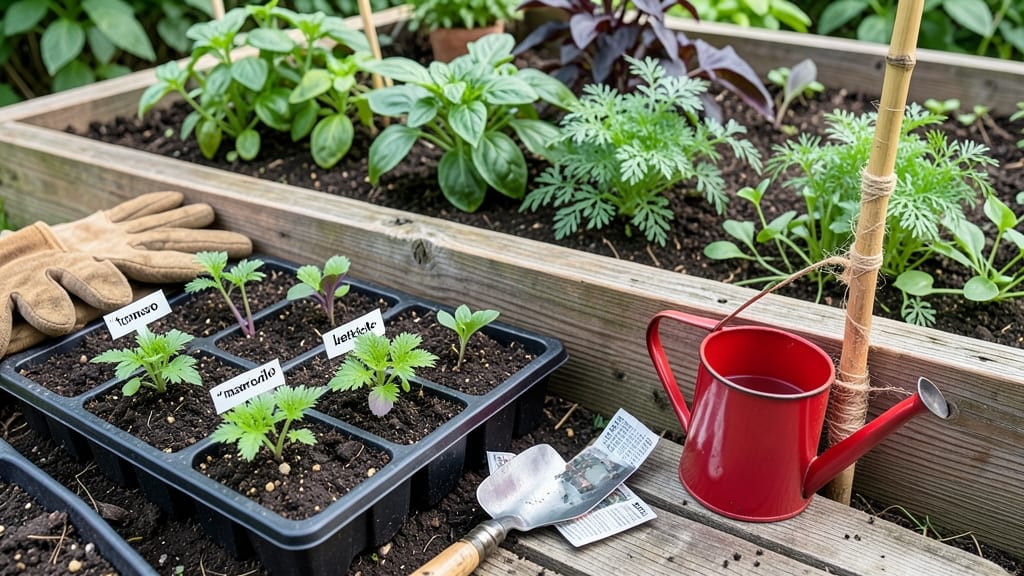
Planting a garden at the right time means the difference between a lush harvest and a season of frustration—so knowing when to plant a garden in your zone is the first step to success.
Picture this: you’ve prepped the soil, ordered seeds, and even cleared a sunny patch in the yard—only to watch your seedlings wilt under an unexpected frost. Or worse, your tomatoes bolt before they ripen because you planted too early.
Timing isn’t just about the calendar; it’s about reading your local climate, from frost dates to soil warmth.
Most gardeners in Zone 6a (like me!) aim for spring planting after the last frost around April 15, but fall crops can stretch the season until October.
The key? Cool-season crops like spinach thrive in early spring or late summer, while heat-lovers like peppers need to wait until the soil is reliably warm.
Below, I’ll break down the exact frost-free windows for your zone, how to adjust for microclimates, and which crops to plant when for a year-round bounty—no guesswork required.
Frost-free planting dates by USDA hardiness zones: a complete guide
Understanding frost-free planting dates is the foundation of a successful garden. The USDA Hardiness Zone Map divides the U.S. into 11 zones based on average minimum winter temperatures, but what truly matters for planting is the last frost date in spring and first frost date in fall.
These dates determine when you can safely plant warm-season crops like tomatoes and peppers—and when to start cool-season crops like spinach and kale to avoid frost damage.
For example, gardeners in Zone 3 (like Minneapolis) face a shorter growing season, while those in Zone 11 (like Miami) can plant year-round. Even within the same zone, microclimates—like urban heat islands or high-elevation areas—can shift your planting window by 2-4 weeks.
That’s why I always check my local frost-free date calculator and adjust based on historical weather patterns. Knowing these dates helps you avoid frost damage to tender plants and prevents bolting in cool-season crops from premature heat.
| USDA Zone | Avg. Last Frost | Cool-Season Start | Warm-Season Start | Growing Season Length |
|---|---|---|---|---|
| Zone 3 (-40°F to -30°F) | May 10–20 | Early April (cold-hardy crops) | June 1–15 | 90–120 days |
| Zone 4 (-30°F to -20°F) | May 1–10 | Mid-April | May 15–30 | 120–150 days |
| Zone 5 (-20°F to -10°F) | April 25–May 5 | Late March–Early April | May 1–15 | 150–180 days |
| Zone 6 (-10°F to 0°F) | April 15–25 | Early April | April 20–May 1 | 180–210 days |
| Zone 7 (0°F to 10°F) | April 1–10 | Late February–March | March 20–April 15 | 210–240 days |
| Zone 8 (10°F to 20°F) | March 15–April 1 | January–February (winter crops) | February 20–March 15 | 240–300 days |
| Zone 9 (20°F to 30°F) | February 15–March 1 | November–January (winter crops) | January 15–February 15 | 300–365 days |
| Zone 10 (30°F to 40°F) | January 1–15 | Year-round (cool crops) | Year-round (warm crops) | 365 days |
| Zone 11 (40°F+) | None (tropical) | Year-round | Year-round | 365 days |
Let’s break down how to use these frost-free dates for your garden. Cool-season crops, like lettuce, peas, and spinach, thrive in cooler temperatures and can often be planted 4-6 weeks before your last frost date.
In Zone 5, that means starting seeds indoors in early April for a late-May transplant. Meanwhile, warm-season crops such as tomatoes, peppers, and cucumbers need consistent warmth and should only go into the ground 2-3 weeks after your last frost date. In Zone 7, that’s typically mid-April.
One of my biggest mistakes early on was planting tomato seedlings too soon in Zone 6. The chilly soil stunted their growth, and a late frost nipped the young leaves. Now, I wait until the soil temperature hits 60°F and use row covers for extra protection if needed.
For cool-season crops, I’ve learned to plant successive crops every 2-3 weeks to extend the harvest—like sowing radishes in early spring and again in late summer for a fall crop.
If you’re in a transition zone (like Zone 6b or 7a), pay attention to microclimates. A south-facing wall can warm up faster than the rest of your yard, allowing you to plant warm-season crops 1-2 weeks earlier.
Conversely, low-lying areas may stay colder longer, delaying your planting by a similar margin. I always test my soil temperature with a soil thermometer—50°F is ideal for cool-season crops, while 60°F+ is needed for warm-season plants.
For container gardening, frost-free dates still apply, but containers warm up faster in spring. I plant pepper seedlings in pots 3-4 weeks before my last frost date and move them outside only after the nighttime temperatures stay above 55°F.
This gives my heat-loving plants a head start. Similarly, in Zone 9, I can grow winter greens like kale and arugula year-round, but I still protect them with frost cloth during unexpected cold snaps.
Don’t forget about fall planting! In Zones 3-7, you can extend your harvest by planting cool-season crops 60-90 days before your first frost. For example, in Zone 5, I direct-sow spinach
How to adjust planting timing for your local microclimate
Your USDA hardiness zone gives you a starting point, but local microclimates can shift planting windows by weeks—sometimes even months. A valley might frost later than a hilltop just 500 feet higher, while urban areas can trap heat and extend growing seasons.
To fine-tune your schedule, start by accounting for these three key factors: elevation, urban heat islands, and historical weather patterns.
Most seed packets include codes like "plant 30 days before last frost" or "direct sow after soil warms to 60°F". These aren’t one-size-fits-all rules—they’re baseline guidelines that need local adjustments.
For example, if your area’s last frost typically arrives two weeks earlier than the USDA average, you’ll need to shift your entire planting calendar forward. Use frost-free calculators (like the National Gardening Association’s) to plug in your ZIP code and get hyper-local data.
🌱Numbered Highlights: Adjusting Your Planting Timeline
- 1. Check elevation impacts: Every 1,000 feet of elevation gain can delay spring planting by 1-2 weeks. Use NOAA’s frost maps to compare your area to the zone average.
- 2. Account for urban heat islands: Cities stay 5-10°F warmer than rural areas, letting you plant warm-season crops 1-3 weeks earlier. Monitor local weather stations for heat anomalies.
- 3. Use seed packet codes as a baseline: If a packet says "sow 4-6 weeks before last frost", and your frost date is April 15, plant between March 1-15. But if your microclimate frosts March 20, shift to February 1-15.
- 4. Test soil temperature: Warm-season crops like tomatoes need soil at 60°F+. Use a soil thermometer to confirm readiness—don’t rely on air temps alone.
- 5. Track 3 years of local data: Note actual frost dates, heatwaves, and rainfall patterns. Adjust future planting by averaging these trends (e.g., if frost came late 2 out of 3 years, delay cool-season crops by 1 week).
For cool-season crops like spinach or kale, err on the side of earlier planting—they tolerate light frosts and can even thrive in them. Meanwhile, warm-season crops like peppers and cucumbers demand patience: rushing them into cold soil stunts growth or invites disease.
I once planted tomatoes two weeks too early in my high-elevation zone, and the seedlings rotted before they could sprout. Lesson learned: when in doubt, wait.
Pro tip: Pair frost-free calculators with local gardener forums (like GardenWeb or Facebook gardening groups) for real-time insights. A neighbor’s backyard might have completely different frost patterns than your garden—especially if you’re in a microclimate pocket (e.g., near a large body of water or a south-facing slope).
Always test a few plants as "sentinels" to gauge your microclimate’s true readiness.
Finally, don’t forget fall planting! Many gardeners focus only on spring, but cool-season crops like broccoli and carrots thrive when sown 6-8 weeks before your first frost. Use the same microclimate adjustments in reverse: if your area frosts early, plant fall crops earlier to maximize your harvest window.
With these tweaks, you’ll turn average planting dates into a precision schedule tailored to your unique corner of the world. 🌿