
Fertilization
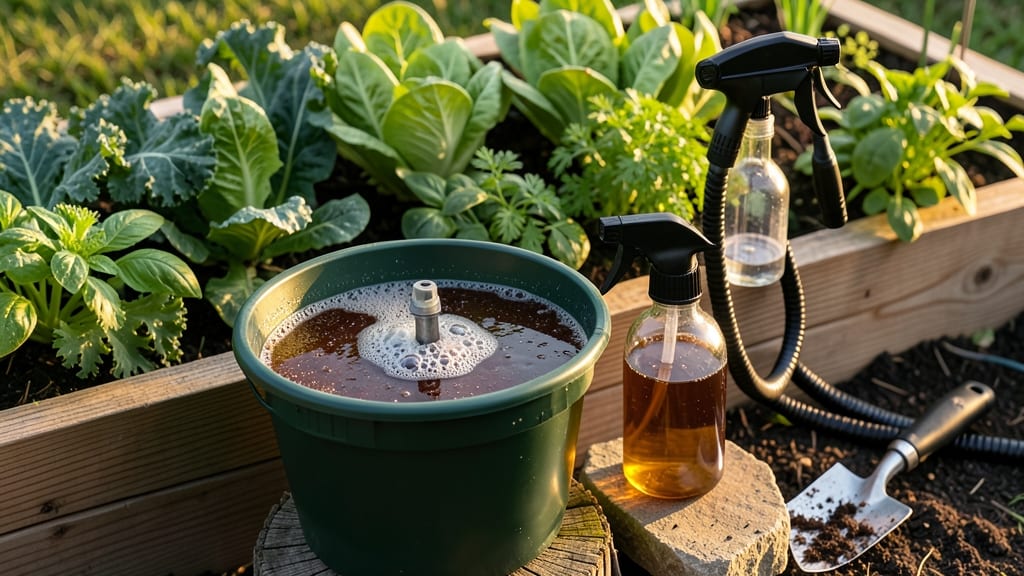
Creating compost tea for garden means soaking well-aged compost in water for 24-48 hours to extract nutrients, then straining and diluting the liquid to prevent over-fertilizing plants.
This nutrient-packed liquid fertilizer isn't just about recycling kitchen scraps—it's a powerhouse for soil microbes. 🌱 The brewing process releases beneficial bacteria and fungi that improve root health, while the diluted solution provides a gentle nutrient boost without burning plants.
I've found that using aerobic methods (with oxygen) produces the most balanced tea, but anaerobic versions can still work if you handle them carefully to avoid foul odors.
For best results, use finished compost (not fresh manure) and mix it with water at a 1:5 ratio before letting it steep. The tea should smell earthy, not rotten—if it does, you've likely created an anaerobic mess.
After straining, dilute it 1:10 with water before applying to soil or foliage, especially during the growing season when plants need that extra microbial support.
💡 In This Article
- How Compost Tea Boosts Soil and Plant Health
- Best Compost Tea Brewing Methods for Different Garden Needs
How compost tea boosts soil and plant health
The magic of compost tea lies in its microbial army—trillions of beneficial bacteria, fungi, and protozoa that transform raw compost into a living fertilizer. When you brew compost aerobically (with oxygen), you encourage populations of mycorrhizal fungi and actinobacteria, which form symbiotic relationships with plant roots.
These microbes don't just feed plants—they enhance nutrient uptake by breaking down complex organic matter into plant-accessible forms like ammonium and phosphate. Think of it as a microscopic root extension system that supercharges your garden's natural fertility.
Here's where the science gets fascinating: aerobic brewing maintains a balanced microbial ecosystem, while anaerobic (oxygen-deprived) brewing can produce harmful pathogens and foul-smelling compounds like hydrogen sulfide. The ideal aerobic tea has a pH between 6.5-7.5 and contains 10,000-100,000 colony-forming units (CFUs) per milliliter of beneficial microbes.
This microbial density is what gives compost tea its ability to suppress plant diseases by outcompeting harmful pathogens for nutrients and space. 🌱 For example, Pseudomonas fluorescens strains in compost tea have been shown to reduce damping-off disease in seedlings by up to 80%.
The nutrient profile of compost tea differs significantly from solid compost. While compost primarily provides slow-release organic matter, tea delivers an immediate boost of nitrogen (N), phosphorus (P), and potassium (K) in water-soluble forms that plants can absorb quickly.
A properly brewed tea typically contains 50-100 ppm nitrogen, 20-50 ppm phosphorus, and 100-200 ppm potassium—levels comparable to weak chemical fertilizers but without the environmental drawbacks.
The key difference is that compost tea also contains humic and fulvic acids, which improve soil structure and help plants resist stress from drought or extreme temperatures.
What most gardeners don't realize is how compost tea affects plant immunity. The microbial communities in tea produce antibiotics and enzymes that create a protective biofilm around plant roots. This biofilm acts like a natural armor, shielding roots from soil-borne diseases while improving water retention.
Studies show that plants treated with compost tea exhibit 30-50% greater root mass and 20-30% higher chlorophyll production compared to untreated plants. The tea's complex organic compounds also stimulate plant growth hormones like auxins and gibberellins, leading to stronger stems and more vibrant foliage.
For best results, apply compost tea during active growth periods—spring and early summer for most plants. A 1:10 dilution ratio (1 part tea to 10 parts water) is ideal for most applications, whether you're using it as a soil drench or foliar spray.
The foliar application method is particularly effective for delivering nutrients directly to leaves, where they can be absorbed through stomata. However, always apply in the early morning or late afternoon to prevent leaf burn from UV exposure.
The earthy, slightly sweet aroma of a properly brewed compost tea is your first indication that you've created a microbial powerhouse for your garden. ✨
Remember that compost tea works best as part of an integrated approach to soil health. Combine it with mulching, crop rotation, and other organic practices to create a thriving ecosystem where plants and microbes support each other.
The goal isn't just to feed your plants—it's to build a resilient soil community that will keep your garden productive for years to come. 💫