
Vegetables
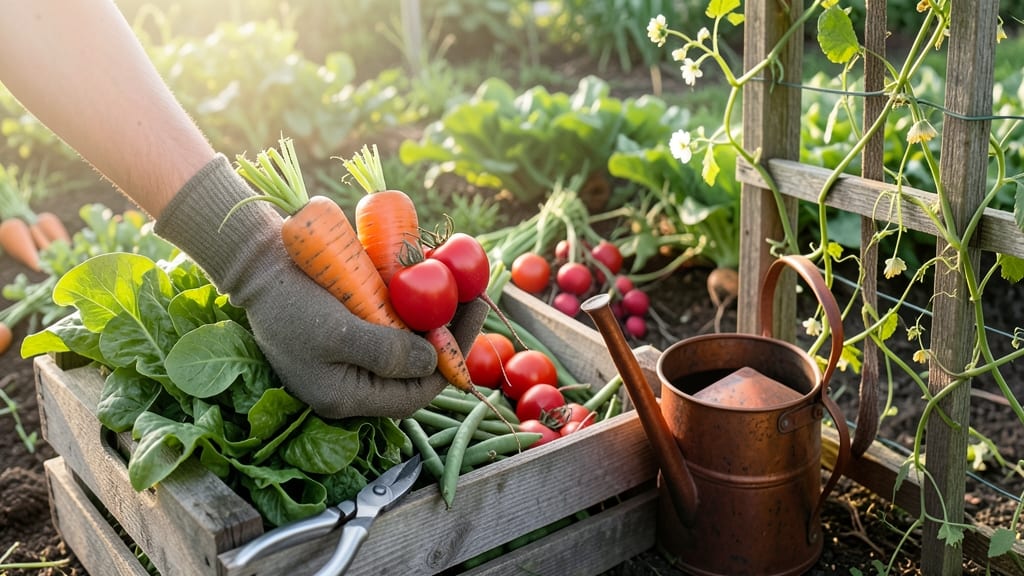
A victory garden defines as a homegrown vegetable and herb plot designed to supplement food supplies during shortages, originally popularized during World War II to support national food security efforts. These gardens boost self-sufficiency while fostering community resilience through sustainable cultivation practices.
A victory garden isn't just about growing food—it's a movement rooted in necessity and community. 🌱 During WWII, these gardens helped Americans produce 40% of the nation's vegetables, reducing pressure on commercial farms.
Today, they're making a comeback in urban areas, where space is limited but the desire for fresh, homegrown produce is stronger than ever. The key difference now?
Modern victory gardens focus on year-round harvesting and vertical growing to maximize small plots, proving you don't need acres to make a big impact.
What makes these gardens truly special is their dual purpose: they feed bodies and strengthen communities. Many modern growers share surplus produce with neighbors or local food banks, creating a ripple effect of sustainability.
The original WWII gardens were all about patriotism, but today's version is equally about self-reliance and environmental stewardship. Whether you're a seasoned gardener or a beginner with just a balcony, starting small can yield big rewards—both for your plate and your neighborhood.
💡 In This Article
- Victory Gardens in World War II: Origins and Impact
- Modern Victory Garden Planning and Plant Selection
Victory gardens in World War II: origins and impact
The concept of victory gardens emerged during World War II as a direct response to food rationing and supply shortages. With commercial agriculture redirected toward military needs, the U.S. government launched the "Victory Garden" campaign in 1943, encouraging Americans to grow their own vegetables.
The goal was ambitious: produce 40% of the nation's vegetables through civilian efforts. 🌱 This wasn't just about filling plates—it was about preserving morale and reducing reliance on imports that could be targeted by enemy submarines.
Propaganda played a crucial role in the movement's success. Posters featuring characters like "Victory Vinnie" and "Victory Gardens" urged families to plant even small plots. The government provided seed packets, gardening guides, and radio broadcasts with tips.
By 1944, over 20 million victory gardens were producing 8 million tons of food annually—enough to feed the entire population of New York, Chicago, and Philadelphia combined. The average garden yielded 5 pounds of food per square foot, proving that even modest spaces could make a significant difference.
The impact extended beyond food production. Victory gardens fostered community spirit, with neighbors sharing seeds, tools, and harvests. Schools and churches organized gardening clubs, and urban areas transformed vacant lots into green spaces. This collective effort wasn't just practical—it was patriotic.
The White House even hosted a victory garden of its own, with First Lady Eleanor Roosevelt leading by example. 🇺🇸 The movement demonstrated how ordinary citizens could contribute to national security through everyday actions.
What made these gardens so effective was their focus on high-yield, easy-to-grow crops. Vegetables like potatoes, tomatoes, and carrots were prioritized because they could be stored for months and required minimal space. Herbs like parsley and basil were also popular, as they could be dried and preserved.
The government even distributed "Victory Garden Kits" containing seeds, fertilizer, and instructions—making it accessible for beginners. This practical approach ensured that even urban dwellers with limited outdoor space could participate.
Today, the legacy of WWII victory gardens lives on in modern urban farming movements. The same principles of efficiency, community, and self-sufficiency are being applied to today's challenges, from food deserts to climate change. The key difference?
Modern gardens often incorporate vertical growing, container gardening, and perennial plants to maximize small spaces and reduce maintenance. The core idea remains the same: growing food isn't just about sustenance—it's about empowerment and resilience.