
Light Requirements
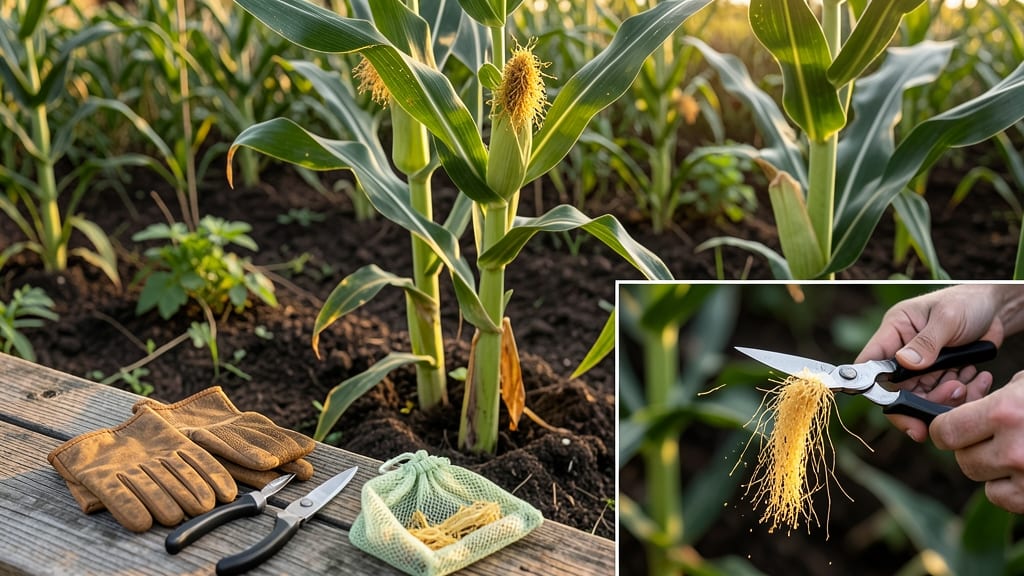
Whether you need to detassel corn in your garden depends entirely on your goals: if you're saving seeds or growing sweet corn varieties, this step is critical. For most home gardeners, though, skipping detasseling saves time and effort while still yielding delicious ears.
Detasseling—removing the male tassels from corn plants—is a labor-intensive process that only matters if you're breeding seed corn or growing specific sweet varieties. 🌽 For standard home gardens, the pollen from neighboring plants will naturally fertilize your corn, producing perfectly edible ears.
The only exception is if you're growing heirloom or specialty corn where cross-pollination could alter flavor or texture. Most gardeners focus on planting the right varieties and spacing plants properly to ensure good pollination without the extra work.
Here's the key insight: sweet corn varieties like 'Silver Queen' or 'Peaches and Cream' don't need detasseling for home consumption, but field corn or seed-saving projects absolutely do. The process prevents unwanted cross-pollination that would make your seed corn tougher and less desirable for planting.
For most of us growing corn just to eat, the time saved by skipping this step is well worth it—especially when you consider how much easier it is to simply enjoy the harvest without the extra gardening chore.
💡 In This Article
- Why Detasseling Corn Matters for Seed Saving
- When to Skip Detasseling for Home-Grown Corn
Why detasseling corn matters for seed saving
Detasseling works by preventing unwanted cross-pollination that would otherwise alter your corn's genetic purity. When male tassels (the pollen-producing flower clusters at the top of corn stalks) release their pollen, it fertilizes the silks of nearby plants.
This natural process creates hybrid kernels that are tougher and less desirable for seed-saving purposes. 🌱 For seed corn, these hybrids would produce ears with inconsistent texture and flavor—making them unsuitable for planting next season.
The science behind this involves corn's reproductive biology. Each corn plant has separate male and female flowers: the tassel at the top produces pollen, while the silks at the ear's base receive it.
When you detassel, you're essentially creating a controlled pollination environment where only the pollen from your chosen plants fertilizes the ears you want to save. This ensures genetic consistency, which is critical for maintaining heirloom varieties or developing new hybrids.
For example, if you're growing 'Country Gentleman' sweet corn for seed, detasseling prevents pollen from neighboring field corn varieties from creating tough, starchy kernels.
Here's what happens without detasseling: pollen from different varieties mixes, creating kernels with varying moisture content and sugar levels. In seed corn, this leads to ears with some sweet kernels and others that are tough and dry—completely ruining the quality.
The process of detasseling (typically done when tassels are 6-8 inches long) takes about 10-15 minutes per plant, but it's the only way to guarantee pure seed stock for next year's planting.
For home gardeners growing corn primarily for eating, this genetic mixing isn't a problem. The resulting ears will still be perfectly edible, though they might have slightly more variation in kernel sweetness.
The key difference is in the seed: detasseled plants produce seeds that will grow true to type, while non-detasseled plants may produce seeds that grow into unexpected varieties.
This is why seed companies invest so much effort in maintaining detasseled fields—it's the only way to ensure consistent, predictable results year after year.
Consider this practical example: if you're growing 'Bodacious' sweet corn for seed, each detasseled plant should have its own isolated row or be planted at least 25 feet away from other corn varieties. This isolation distance gives pollen time to disperse while preventing cross-contamination.
Without detasseling, you might end up with ears that have some sweet kernels and others that are more like field corn—completely changing the plant's characteristics for next season.
The payoff for seed savers is significant: detasseled corn produces seeds that will grow into plants identical to the parent, maintaining all the desirable traits you selected. This is particularly important for heirloom varieties where genetic purity preserves the unique flavors and characteristics that make them special.
For most home gardeners, though, this level of precision isn't necessary—making detasseling an optional step that saves time and effort.