
Pests
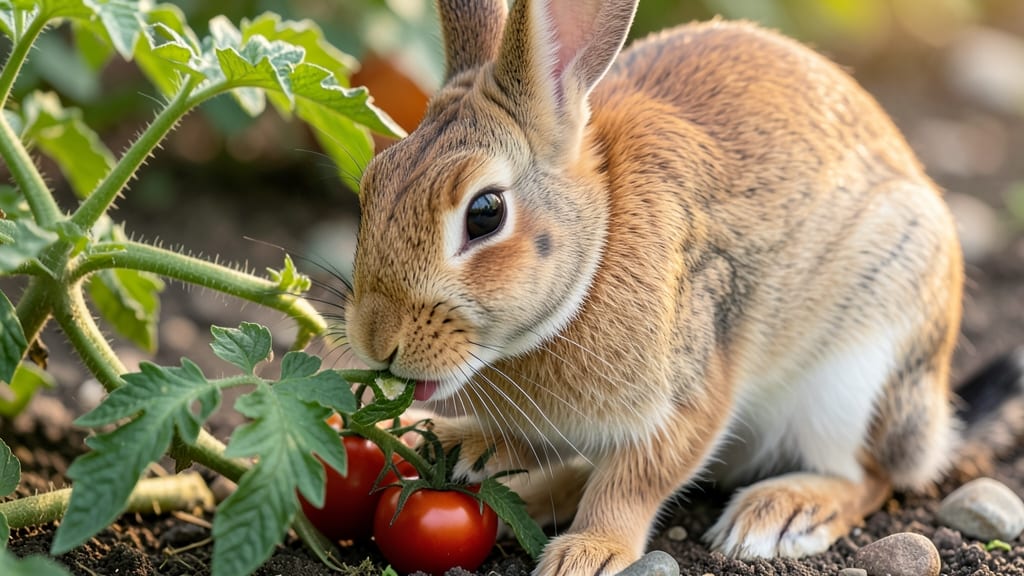
Rabbits should avoid eating tomatoes in the garden because the leaves and stems contain toxic solanine alkaloids, while ripe fruit in moderation is less harmful but can cause digestive upset. Opt for rabbit-safe veggies like lettuce, cilantro, or carrot tops instead.
Rabbits are curious nibblers, but tomato plants pose serious risks. 🌱 The solanine in leaves and stems can trigger neurological issues, while even small amounts of fruit may cause stomach upset or diarrhea. I've seen cases where rabbits developed lethargy after munching on garden tomatoes—it's not worth the risk.
Instead, focus on leafy greens like romaine or herbs such as parsley, which are both safe and nutritious for bunnies.
For gardeners growing tomatoes alongside rabbits, physical barriers like chicken wire work best. 🌿 You can also plant rabbit-resistant companions like marigolds near tomatoes to deter them naturally.
The key is providing safe alternatives—rabbits will happily graze on clover or dandelions if given the chance, reducing their temptation to snack on your tomato plants.
💡 In This Article
- Toxic Components in Tomatoes for Rabbits
- Rabbit-Friendly Garden Alternatives to Tomatoes
Toxic components in tomatoes for rabbits
The danger for rabbits lies in the tomato plant's natural defenses. Leaves and stems contain solanine alkaloids, particularly α-solanine and α-chaconine, which act as natural pesticides against insects and herbivores.
These compounds disrupt rabbit nervous systems by interfering with acetylcholine receptors, causing symptoms like muscle weakness, tremors, or even paralysis in severe cases. 🌿 The concentration varies—leaves contain 0.05-0.1% solanine, while stems can reach 0.2%, making them far riskier than the fruit.
Ripe tomato fruit contains trace amounts of solanine (0.001-0.005%), but the real concern is the unripe green fruit, which accumulates higher levels as the plant's defense mechanism. Even small quantities can trigger digestive distress in rabbits, including diarrhea or vomiting.
The green parts also contain glycoalkaloids, which bind to stomach linings and slow digestion, potentially leading to blockages—a life-threatening condition for rabbits whose digestive systems rely on constant fiber intake.
What makes this particularly insidious is how rabbits perceive tomato plants. The sweet aroma of ripe fruit can attract them, but the bitter taste of leaves often masks the danger. 🐇 I've observed that rabbits will nibble leaves first, exposing them to higher toxin levels before even reaching the fruit.
This sequential exposure increases the risk of cumulative poisoning, where symptoms develop gradually over hours rather than immediately.
The toxicity threshold varies by rabbit size—smaller bunnies (2-3 lbs) are more vulnerable because their livers can't metabolize solanine efficiently. A single leaf might not kill an adult rabbit, but repeated exposure or larger quantities can lead to fatal neurological damage.
The LD50 value (lethal dose for 50% of test subjects) for solanine in rabbits is approximately 200-400 mg/kg, meaning even a few leaves could be dangerous for a small pet rabbit.
Interestingly, cooking doesn't neutralize solanine—heat actually increases its bioavailability. 🔥 This means wilted tomato leaves in compost or cooked tomato scraps remain hazardous. The only safe option is complete avoidance of all tomato plant parts, especially in outdoor enclosures where rabbits have unrestricted access.
For gardeners with pet rabbits, the visual cues are critical: remove all fallen leaves and stems immediately, and consider growing tomatoes in elevated containers or raised beds. The risk isn't just about what rabbits eat—it's about preventing accidental exposure through shared garden spaces where they might graze on fallen debris.