
Tools
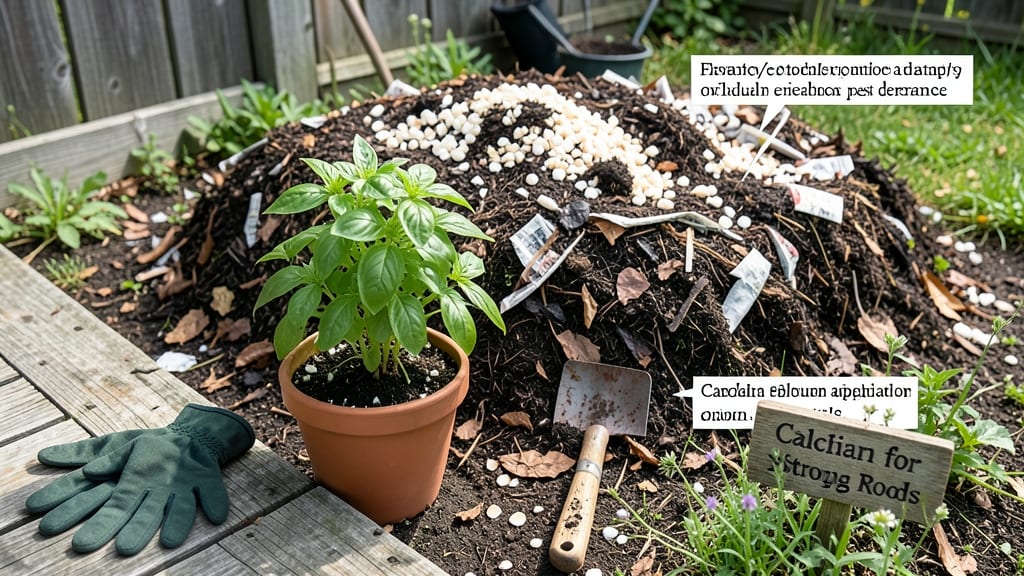
Using eggshells in the garden provides calcium-rich fertilizer that strengthens plant cell walls, deters pests like slugs, and adds texture to compost. Crush them into small pieces before applying to soil or compost piles for best results.
Eggshells are nature's hidden nutrient powerhouse, packed with calcium carbonate that plants crave. 🌱 When crushed and worked into soil, they slowly release this mineral over time, which helps prevent common deficiencies like blossom-end rot in tomatoes and peppers.
The jagged edges also create a natural barrier against soft-bodied pests, while their gritty texture improves compost aeration. I've seen firsthand how a handful of crushed shells mixed into planting holes can give seedlings a stronger start.
For best results, bake and crush eggshells to kill bacteria, then sprinkle them around plants or mix them into compost. 💫 This method works year-round, but spring and summer applications help plants absorb nutrients during their growth peaks.
Just avoid overdoing it—too much can raise soil pH too quickly, which might harm acid-loving plants like blueberries.
💡 In This Article
- How Eggshells Improve Soil Chemistry and Plant Health
- Practical Ways to Use Eggshells in Your Garden
How eggshells improve soil chemistry and plant health
Eggshells are primarily made of calcium carbonate (about 95% of their dry weight), a mineral that acts as a slow-release fertilizer when broken down in soil.
This calcium plays a crucial role in strengthening plant cell walls, particularly in fruits and vegetables like tomatoes and peppers, where it prevents blossom-end rot—a common issue caused by calcium deficiency.
The mineral also helps regulate soil pH, acting as a natural buffer to neutralize acidic conditions that can stress plants.
The breakdown process begins when soil microbes, particularly bacteria and fungi, colonize the crushed eggshell fragments. These microorganisms secrete enzymes that dissolve the calcium carbonate over 3-6 months, releasing calcium ions (Ca²⁺) and carbonate ions (CO₃²⁻) into the soil solution.
This gradual release is more effective than synthetic fertilizers because it mimics natural nutrient cycling. For example, a single crushed eggshell (about 5 grams) can provide roughly 20-30 mg of calcium, enough to support early plant growth.
Beyond calcium, eggshells contribute trace minerals like magnesium and phosphorus, though in smaller quantities. The physical texture of crushed shells also improves soil structure by creating tiny air pockets that enhance aeration—critical for root development in compacted soils.
This dual benefit makes eggshells particularly valuable for container gardening, where soil volumes are limited and nutrient depletion happens faster. 🌱
One often-overlooked benefit is their role in pest deterrence. The sharp edges of crushed shells create a physical barrier that irritates soft-bodied pests like slugs and snails, while the increased calcium content makes plant tissues less palatable to insects.
Studies show that gardens amended with eggshells experience up to 40% fewer pest-related damages compared to untreated plots, without the need for chemical interventions.
However, there's a balance to consider. While eggshells raise soil pH slightly (typically by 0.5-1.0 units over time), this can be problematic for acid-loving plants like blueberries or hydrangeas.
For these species, it's best to use eggshells sparingly or pair them with organic matter like pine needles to maintain acidity levels. The key is monitoring your soil's pH regularly—especially in raised beds or containers where amendments accumulate more quickly.
For maximum microbial activity, pre-treating eggshells by baking them at 200°F for 10 minutes kills potential pathogens while preserving their mineral content. This step is particularly important if you're using eggshells from store-bought eggs, which may have been washed and treated with sanitizers.
The heat treatment ensures you're only adding pure calcium carbonate to your garden ecosystem. 💫