
Vegetables
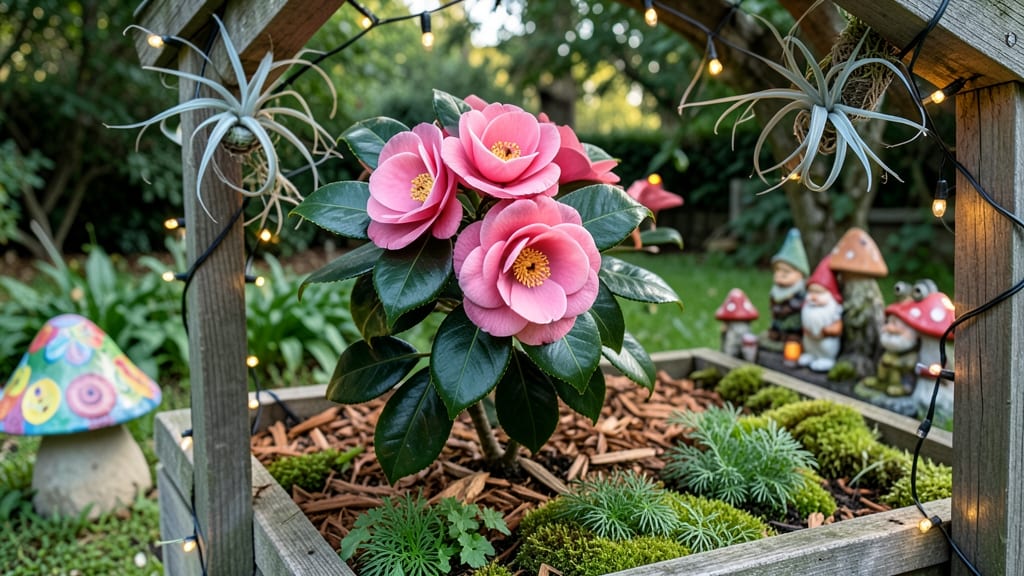
Enchanted Gardens in Richmond, TX, transforms ordinary landscapes into fairy-tale settings through seasonal blooms, rare plant collections, and carefully layered native/exotic plant combinations that create year-round visual wonder.
What sets this garden apart is its masterful blend of Texas hardiness with exotic flair—think vibrant Mexican poppies alongside delicate English roses, all arranged to shift with each season. 🌿 The garden's designers use vertical space cleverly, with trellises and tiered planters to maximize visual impact while keeping maintenance manageable.
For visitors, the real magic happens in the hidden pathways that reveal different plant families at each turn, creating that "discovery" experience gardeners dream of.
The secret to replicating this magic at home lies in layered planting—combining fast-growing annuals with slow-maturing perennials to ensure continuous color. I've found that Texas sage and blackfoot daisies work beautifully as foundational plants, while adding clematis vines creates that whimsical vertical element.
The key is starting with just 3-4 signature plants that thrive in your zone, then building around them.
💡 In This Article
- Design Secrets Behind Richmond’s Whimsical Garden Layouts
- Best Plants for Mimicking Enchanted Gardens at Home
Design secrets behind Richmond’s whimsical garden layouts
The garden's signature enchantment begins with vertical layering, a technique that maximizes visual impact in Texas's limited rainfall conditions. Designers use arborvitae trellises and wrought-iron frames to train clematis and passionflowers upward, creating living canopies that reach 10-12 feet high.
This not only saves horizontal space but also adds dramatic height contrasts—critical for breaking up the flat terrain common in North Texas. The secret lies in placing taller climbers against smooth river rock walls, which reflect light upward and make vines appear even more ethereal when illuminated at dusk.
Color theory plays an equally vital role, with designers employing what botanists call "seasonal color palettes" that shift like a living painting. For spring, they combine Texas bluebonnets (blue) with Mexican poppies (orange) and sweet alyssum (white) to create a high-contrast triad that attracts pollinators while pleasing the eye.
Summer transitions to deep purple salvias and crimson zinnias against silver-blue dusty miller foliage, using complementary colors to make each plant stand out. The autumn display features copper-colored Mexican feather grass paired with burgundy oakleaf hydrangeas, creating a warm glow that lasts through November's cooler temperatures.
Hidden pathways are the garden's most magical element, designed using a technique called "progressive revelation." Visitors enter through a 12-foot archway covered in wisteria (which blooms in late spring), then wind through narrow alleys where each turn reveals a new plant family.
The first pathway features fragrant roses trained along both sides, while the second opens to a moon garden with white gardenias and evening primrose that emit their signature scents after sunset. This deliberate pacing creates anticipation—what gardeners call "the discovery effect"—where each new section feels like uncovering a secret.
The garden's seasonal transitions rely on a three-tiered planting system: fast annuals for immediate color, mid-season perennials for continuity, and slow-growing shrubs as permanent anchors. For example, cosmos (annual) provide summer blooms, while blackfoot daisies (perennial) take over in fall, and Texas mountain laurel (shrub) provides year-round structure.
The designers also use mulch color theory—dark brown bark around spring bloomers to make them pop, and light straw around summer plants to reflect heat away from delicate roots. This careful layering ensures the garden never appears sparse, even during Texas's brutal summer heat when many plants go dormant.
One often-overlooked technique is the use of textural contrasts—pairing smooth leaves with spiky ones to create visual interest. For instance, the garden combines smooth-leafed oleanders with spiky agave and feathery fountain grass to add dimension.
This contrast works particularly well in the "Whispering Path" section, where wind rustling through the grasses creates an audible effect that enhances the immersive experience.
The designers also strategically place reflective surfaces—like polished stone benches and water features—to amplify the garden's magical qualities by creating light plays and mirroring the vibrant colors.
What most visitors don't realize is how the garden's layout accounts for Texas's variable microclimates. The north-facing sections feature shade-loving plants like hostas and heucheras, while south-facing areas showcase sun-worshippers such as desert marigolds and blanket flowers.
Even the soil composition varies—sandy loam in raised beds for drought-tolerant species, and richer compost blends in container gardens for more delicate varieties. This precision ensures every plant thrives in its optimal conditions, creating the lush, vibrant displays that make Enchanted Gardens so special.