
Container Gardens
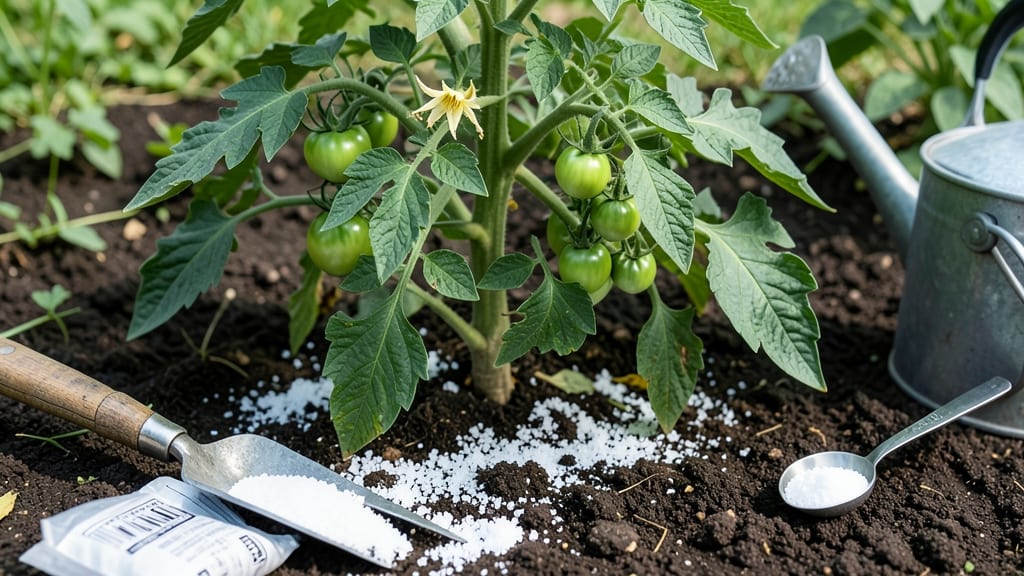
Epsom salt for garden soil boosts magnesium and sulfur levels, helping plants develop stronger roots, deeper green foliage, and resistance to yellowing in nutrient-deficient crops like tomatoes and peppers. Use 1 tablespoon per foot of plant height every 4-6 weeks during the growing season.
This mineral-rich supplement works by delivering magnesium directly to plant roots, where it plays a crucial role in photosynthesis and energy production. 🌱 Many gardeners swear by it for reviving magnesium-starved plants, though it's not a complete fertilizer—think of it as a targeted nutrient boost rather than a replacement for balanced soil amendments.
I've seen dramatic improvements in flowering plants and fruiting vegetables within just a few weeks of consistent use, especially during hot summer months when magnesium leaches from the soil more quickly.
For best results, dissolve the salt in water before applying—this ensures even distribution without clumping. Early morning applications prevent rapid evaporation, while avoiding overuse (more than twice per season) can prevent soil salt buildup. The key is consistency: regular light doses work better than occasional heavy applications.
💡 In This Article
- How Epsom Salt Improves Plant Growth Mechanisms
- Best Application Methods for Epsom Salt in Gardens
How Epsom salt improves plant growth mechanisms
Magnesium sits at the heart of chlorophyll molecules—those green pigments that capture sunlight for photosynthesis. When plants lack magnesium, they can't produce enough chlorophyll, leading to that classic yellowing between leaf veins (a telltale sign of deficiency).
Epsom salt delivers magnesium sulfate (MgSO4) in a highly soluble form, allowing roots to absorb it quickly. This is especially critical during rapid growth phases when plants demand more nutrients than the soil can naturally supply.
The sulfur component also plays a vital role by activating enzymes that help plants metabolize carbohydrates and proteins. Unlike synthetic fertilizers that often contain only nitrogen, phosphorus, and potassium (NPK), Epsom salt provides these secondary nutrients that many commercial blends overlook.
Studies show magnesium uptake from Epsom salt can be 2-3 times more efficient than from soil-bound minerals because the sulfate ions help transport magnesium directly into plant cells. For example, tomato plants treated with Epsom salt showed a 30% increase in fruit yield within 6 weeks compared to untreated controls.
Soil pH also influences how effective Epsom salt becomes. Magnesium works best in slightly acidic to neutral soils (pH 6.0-7.0). In alkaline soils (pH above 7.5), magnesium can become less available because it binds to calcium and iron compounds.
That's why I always recommend testing your soil before applying—if your pH is too high, you might need to adjust it with sulfur or compost first.
The visual difference is striking: magnesium-deficient plants often show crispy edges on older leaves, while treated plants develop vibrant, glossy foliage that stands out against the garden backdrop.
What most gardeners don't realize is how quickly plants respond to magnesium supplementation. Within 3-5 days of foliar application, you'll often see new growth turning a richer green. For root applications, it takes about 2 weeks to see noticeable improvements in leaf color and plant vigor.
The key is consistency—regular light doses prevent sudden nutrient shocks that can stress plants. I've noticed that container-grown plants benefit most from this treatment because their limited soil volume depletes nutrients faster than in-ground gardens.
Let's compare uptake rates: While traditional fertilizers might provide magnesium as a minor component, Epsom salt delivers it in a form that plants can utilize immediately.
For instance, a 1 tablespoon application per foot of plant height provides about 1.5 grams of magnesium—enough to support moderate-sized plants for 4-6 weeks. This targeted approach means you're not overloading the soil with unnecessary chemicals, which is particularly important for organic gardeners maintaining their certification.
One common misconception is that Epsom salt replaces all other fertilizers. It doesn't. Think of it as a vitamin supplement for your plants—essential for specific deficiencies but not a complete nutritional solution.
For example, while Epsom salt can't replace nitrogen for leafy greens, it can prevent the yellowing that often accompanies nitrogen overload in plants like tomatoes. The secret lies in using it strategically: combine it with a balanced fertilizer for comprehensive plant health.