
Vegetables
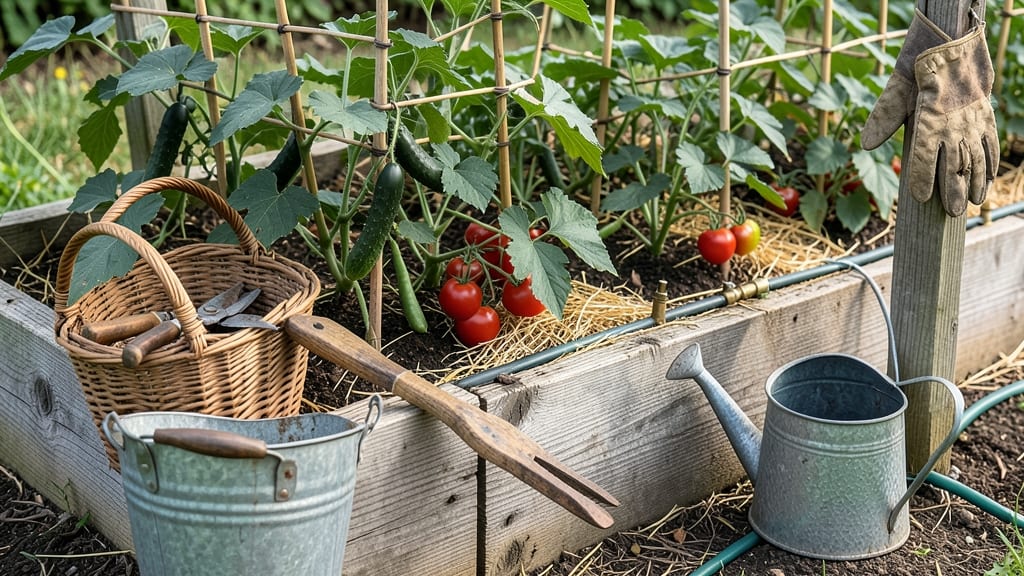
The Fenway Victory Gardens in Boston produced over 50,000 pounds of fresh produce during WWII by transforming vacant lots into high-yield urban farms through community collaboration and efficient growing methods.
The gardens thrived by maximizing limited space with techniques like intensive planting—growing multiple crops in small areas—and crop rotation to maintain soil health. 🌱 Over 200 plots across Boston grew everything from potatoes and carrots to tomatoes and cabbage, supporting local food security when commercial supplies were scarce.
What’s fascinating is how these gardens became a model for community resilience, proving that urban agriculture could scale during crises.
This initiative wasn’t just about food—it was a social movement. Volunteers included everyone from schoolchildren to veterans, and the gardens even hosted cooking classes to stretch rations.
The success of Fenway’s plots inspired similar projects nationwide, showing how collective effort and simple farming techniques could make a tangible difference in wartime.
💡 In This Article
- How WWII Victory Gardens Worked in Boston’s Urban Landscape
- Modern Lessons from Fenway’s Victory Gardens for Today’s Urban Growers
How WWII victory gardens worked in Boston’s urban landscape
The Fenway Victory Gardens transformed Boston’s vacant lots into productive farmland by leveraging a technique called intensive planting, which packed crops closely together to maximize yield.
Gardeners used raised beds filled with nutrient-rich soil, often mixed with compost and sand for drainage, to grow vegetables like radishes in just 25 days and carrots in 60 days.
This method was a precursor to modern square-foot gardening, where plants are spaced precisely to optimize space—something you’d see in today’s urban farms.
Crop selection was strategic too. Gardeners prioritized high-calorie, nutrient-dense crops like potatoes (which could store for months) and cabbage (hardy in Boston’s cool climate).
They also planted fast-growing greens such as lettuce and spinach to provide fresh produce within weeks. 🌱 The gardens even grew dry beans and peas, which fixed nitrogen in the soil, reducing the need for fertilizers—a key sustainability trick still used today.
Rotation was critical: after harvesting one crop, gardeners would replant the same bed with a different family (like swapping tomatoes for beans) to prevent soil depletion.
Community organization was the backbone of success. Volunteers—including school groups, factory workers, and even Red Cross volunteers—worked in shifts to tend plots, compost waste, and share knowledge.
The gardens operated on a plot-sharing system, where families could rent small sections (as little as 10x10 feet) for a nominal fee, making urban farming accessible. This model mirrored today’s community gardens, proving that collective effort could turn underused spaces into food sources.
Wartime rationing influenced every decision. With meat and dairy scarce, gardeners focused on starches and vegetables that could stretch into soups, stews, or preserved foods. They even grew herbs like parsley and dill to flavor simple meals, reducing reliance on imported spices.
The gardens’ success showed how urban agriculture could supplement commercial supplies—a lesson still relevant in today’s food-supply-chain vulnerabilities.
One standout detail: the gardens used simple, low-cost tools. Handheld hoes, wooden stakes for trellising, and even repurposed household items (like old buckets for watering) kept costs minimal. This DIY approach meant anyone could participate, regardless of budget.
The result? Over 200 plots across Boston produced enough food to feed thousands, proving that urban farming wasn’t just possible—it was powerful.
What’s often overlooked is how these gardens preserved food too. Volunteers canned tomatoes, pickled cucumbers, and dried herbs to extend the harvest season. This preservation knowledge is just as valuable today for urban growers looking to reduce food waste and keep homegrown produce available year-round.