
Shrubs
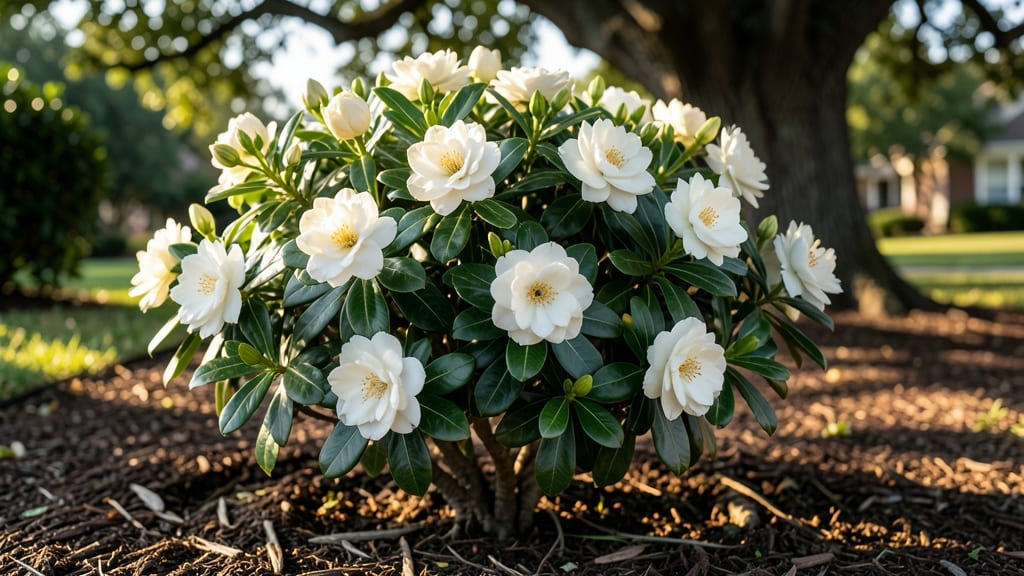
A full-grown gardenia bush 🌸 can reach heights of 4 to 6 feet—but only if you give it the right care from the start.
Imagine stepping into your garden and being greeted by the intoxicating, sweet fragrance of a full-grown gardenia bush—year after year. But achieving that lush, blooming perfection requires more than just good luck.
The key lies in understanding its growth habits, pruning it correctly, and keeping its soil and light just right.
If your gardenia isn’t thriving, it might be getting too much sun, not enough water, or lacking the acidic soil it craves. Worse, improper pruning can stunt its growth or even kill it.
But don’t worry—this guide will walk you through everything you need to know to keep your gardenia healthy, fragrant, and full of life.
From seasonal care tips to troubleshooting common issues, you’ll learn how to nurture your gardenia so it stays blooming and beautiful for years to come.
How to prune a full-grown gardenia bush for maximum blooms
A full-grown gardenia bush can reach 4-6 feet tall with dense, glossy foliage and stunning white blooms. But without proper pruning techniques, your gardenia may become overcrowded, leading to fewer flowers and weaker stems.
Pruning isn’t just about shaping—it’s about encouraging healthier growth, better air circulation, and more abundant fragrance. When done right, your gardenia will reward you with year-round blooms and a bushier, more vibrant appearance.
Timing is everything when pruning gardenias. The best time to prune is right after the spring flowering season, typically in late May or early June. This allows the plant to recover before the next blooming cycle.
Avoid pruning in fall or winter, as this can stimulate new growth that won’t harden off before cold weather arrives. If your gardenia blooms in fall or winter, prune immediately after flowering to maintain its shape and encourage future blooms.
Before you begin, gather your pruning tools. You’ll need sharp bypass pruners for clean cuts on smaller branches, loppers for thicker stems, and a sterilized saw for any large, woody growth.
Sterilizing your tools with rubbing alcohol or a 10% bleach solution prevents the spread of bacterial or fungal diseases. Always make cuts at a 45-degree angle, about ¼ inch above a leaf node or bud to promote faster healing and new growth.
Step-by-Step Pruning Guide for a Full-Grown Gardenia Bush
- Step 1: Remove Dead or Diseased Wood
Start by inspecting your gardenia for dead, damaged, or diseased branches. These are typically brown, brittle, or oozing sap. Cut these out first to improve airflow and prevent disease from spreading.
- Step 2: Thin Out Crowded Branches
Look for overcrowded or crossing branches that rub against each other. These can create wounds and reduce airflow. Thin out 10-20% of the bush by removing the oldest, thickest stems at the base to encourage younger, more vigorous growth.
- Step 3: Shape the Bush
Use your pruners to trim back overgrown branches to maintain a balanced, rounded shape. Aim to keep the bush open and airy rather than dense. Avoid cutting back more than ⅓ of the bush in a single pruning session to prevent stress.
- Step 4: Encourage New Growth
To promote more blooms next season, cut back last year’s flower stalks to just above a set of leaves or buds. This redirects the plant’s energy toward producing new growth and flowers rather than maintaining old wood.
- Step 5: Clean Up and Sterilize
After pruning, remove all clippings from the area to prevent pests or diseases from lingering. Sterilize your tools again and store them in a dry place until your next pruning session.
Pruning isn’t just about cutting—it’s about strategic shaping to enhance your gardenia’s natural beauty. For example, if your gardenia is growing too tall, focus on pruning the top branches to encourage bushier growth lower down.
If it’s becoming too wide, trim back the outermost branches to maintain a compact form. Always step back occasionally to visualize the shape of your gardenia as you work.
One common mistake gardeners make is pruning too late in the season. If you prune in late summer or fall, your gardenia may produce tender new growth that won’t survive winter frosts. This can weaken the plant and reduce next year’s blooms.
Similarly, over-pruning can shock the plant, leading to leaf drop or reduced flowering. Stick to the 10-20% rule—never remove more than a fifth of the bush in one session.
After pruning, give your gardenia some extra care to help it recover. Water deeply to hydrate the roots and apply a balanced, acid-loving fertilizer (like a 10-10-10 or 8-3-9 blend) to support new growth.
Mulch around the base with organic matter like pine bark to retain moisture and regulate soil temperature. Avoid heavy mulch piles against the stem, as this can trap moisture and cause rot.
With proper pruning, your full-grown gardenia bush will thrive, producing more fragrant blooms and a healthier structure for years to come. The key is patience and consistency—prune at the right time, use the right tools, and give your gardenia the care it needs.
Soon, your garden will be filled with the sweet, intoxicating scent of gardenias in full bloom.
🌸
Essential care tips for a thriving full-grown gardenia bush
A full-grown gardenia bush thrives when you mimic its natural tropical habitat. These fragrant beauties demand specific care to reward you with glossy leaves and abundant blooms.
Start with ideal sunlight—they crave morning sun but need afternoon shade to prevent leaf scorch. Without this balance, their delicate blooms suffer.
Your gardenia’s soil pH is equally critical—aim for acidic soil (5.0-6.5). Test your soil annually and amend with peat moss or sulfur if needed. Forget this step, and you’ll see yellowing leaves and sparse flowering. Even the most experienced gardeners overlook this detail!
| Care Factor | Requirement | Actionable Tip |
|---|---|---|
| Sunlight | 4-6 hours morning sun | Plant near east-facing windows or use sheer curtains |
| Watering | Deep soak 1-2 gallons | Water at soil level, avoid wetting leaves to prevent fungal issues |
| Soil pH | 5.0-6.5 (acidic) | Add sulfur or peat moss if pH rises above 6.5 |
| Fertilization | Azalea/camellia fertilizer | Apply every 4-6 weeks during spring-summer growth |
| Pest Control | Neem oil or insecticidal soap | Spray undersides of leaves weekly during peak pest seasons |
Watering your gardenia requires precision. These plants love moisture but hate soggy roots. Aim for a deep soak 1-2 gallons every 3-5 days, adjusting for heat.
In summer, you may need daily watering, while winter calls for bi-weekly hydration. Always water at the soil level to avoid fungal diseases.
Fertilizing triggers lush blooms, but timing matters. Use an acid-loving fertilizer like azalea mix every 4-6 weeks during spring and summer. Skip fall and winter feeding—your gardenia rests then. Pro tip: Feed in early morning to prevent leaf burn from fertilizer salts.
Pests like aphids and spider mites target stressed gardenias. Combat them with neem oil or insecticidal soap, focusing on leaf undersides. Prune crowded branches to improve airflow, reducing pest hiding spots. A healthy gardenia with proper care rarely attracts pests, but vigilance pays off.
With these care fundamentals, your gardenia will reward you with year-round fragrance and vibrant blooms. Remember: consistency is key—whether it’s sunlight, water, or soil pH. Your efforts will transform your garden into a scented paradise! 🌸