
Tools
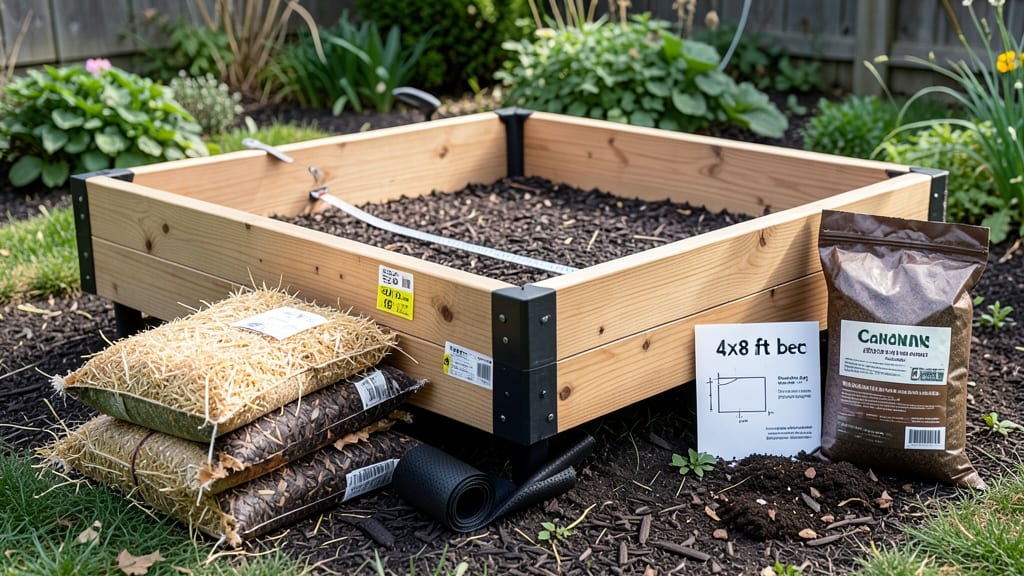
Creating a garden bed typically costs between $20 and $150, with lumber alone ranging from $5–$15 per linear foot for cedar or composite. Soil, gravel, and fasteners can push the total to $100–$400 for a standard 4x8-foot frame, but smart sourcing—like using reclaimed wood—can slash costs by 30–50%.
Your garden bed's final price hinges on three key variables: the wood type, soil quality, and whether you DIY or buy pre-made kits. Cedar resists rot but costs more than pine, while composite lumber lasts longer but requires higher upfront investment. Soil alone can swing costs—topsoil averages $10–$20 per cubic yard, but adding compost or vermiculite adds $3–$5 per bag.
I’ve saved nearly $100 on projects by buying lumber in bulk or scouting local recycling centers for free pallets. 💛
For the most budget-friendly builds, focus on long-term savings like mulch instead of pea gravel (which adds $50+ to a project) or skip pre-drilled kits. A 4x8-foot bed built from reclaimed wood and basic soil amendments can cost as little as $30—just plan for extra assembly time.
The biggest cost drain? Skipping the soil test—amending it based on pH can prevent future replanting expenses.
💡 In This Article
- Key Factors Affecting Garden Bed Material Costs
- Ways to Reduce Garden Bed Construction Costs
Key factors affecting garden bed material costs
The foundation of your garden bed costs starts with the wood type, where cedar and composite lumber represent two extremes. Cedar costs $5–$15 per linear foot due to its natural rot resistance and aromatic qualities, while pressure-treated pine runs $3–$7 per foot—though it requires sealing.
Composite lumber, though pricier at $10–$20 per foot, lasts 20+ years versus 5–10 years for untreated wood. The difference? Cedar's natural oils repel insects, while composites resist warping but lack the classic aesthetic.
Soil and amendments account for 30–50% of total costs—a 4x8-foot bed needs 1–1.5 cubic yards of soil. Topsoil averages $10–$20 per cubic yard, but adding compost ($3–$5 per bag) or vermiculite ($4–$6 per bag) improves drainage and fertility.
Gravel or landscape fabric for weed barriers adds $20–$50, while pre-mixed garden soil (with fertilizer) can cost $15–$25 per cubic yard. Regional prices vary wildly—urban areas charge 20–30% more for delivery than rural suppliers.
Hardware choices create hidden cost differences too. Galvanized screws ($0.10–$0.20 each) are cheaper than corner brackets ($2–$5 per piece), but brackets distribute weight better for taller beds. Pre-drilled kits save 1–2 hours of labor but cost $10–$30 more upfront.
The biggest labor cost? Leveling and securing the frame—renting a post-hole digger ($60/day) or hiring help for $50–$100/hour can double your budget if you're not handy.
Don't overlook regional lumberyard pricing—some stores offer 10–20% discounts on weekend sales or clearance sections. I once saved $80 on a cedar bed by buying "seconds" with minor surface cracks (perfectly usable for hidden sides).
Local tree services often give away free pallet wood if you haul it away, though you'll need to sand and treat it yourself. The key? Balance upfront savings with long-term durability—cheap pine may cost less initially but rot faster.
Here's a quick cost comparison for a 4x8-foot cedar bed:
- Lumber: $5–$15 per foot × 16 feet = $80–$240
- Soil: 1.5 cubic yards × $15–$25 = $22–$40
- Hardware: $10–$30 for screws/brackets
- Extras: $20–$50 for gravel/fabric
Total range: $132–$360—but smart shoppers can cut this by 40% with recycled materials and bulk purchases. The sweet spot? A 6-foot-tall cedar bed with compost-amended soil delivers 20% better plant growth while costing only $150–$200 when built yourself. 🌱