
Tools
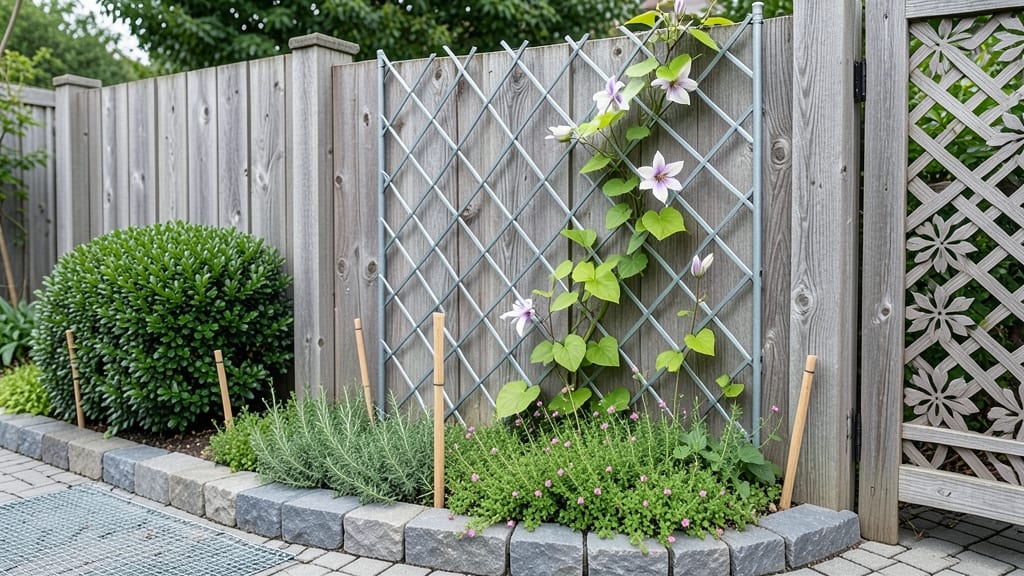
Creating garden enclosure plans helps you design practical barriers that maximize small spaces while adding privacy and protection for plants. These structures can be built with wood, metal, or lattice to fit any yard's needs and aesthetic.
Garden enclosures aren't just about adding boundaries—they're a smart way to organize your outdoor space. Vertical gardens and modular systems are game-changers for tight yards, letting you grow more without sacrificing square footage. 🌿 I've seen lattice panels transform bare walls into living plant displays, while arbors create cozy seating areas that double as trellises.
The key is matching your design to your yard's challenges—whether it's shielding delicate flowers from pets or shielding your patio from wind.
Don't overlook the material's role in maintenance either. Wood offers classic charm but needs sealing, while metal stands up to harsh weather but may require painting. For low-maintenance options, vinyl or natural stone provide durability with minimal upkeep.
The right choice depends on your climate, budget, and how much time you want to spend on upkeep.
💡 In This Article
- Materials and Durability for Long-Lasting Garden Enclosures
- Space-Saving Enclosure Designs for Small Gardens
Materials and durability for long-lasting garden enclosures
Wood remains the most popular choice for garden enclosures because of its natural aesthetic and workability. Cedar and redwood are excellent for outdoor use due to their natural resistance to rot and insects, lasting 15-25 years with proper sealing.
The grain patterns add warmth to any garden, but untreated wood requires annual staining to prevent moisture damage. For budget-friendly options, pressure-treated pine offers durability at a lower cost, though it may need repainting every 2-3 years to maintain its appearance.
Metal enclosures, particularly aluminum or wrought iron, provide superior strength and weather resistance, making them ideal for high-wind areas or coastal climates. Aluminum won't rust and requires minimal maintenance beyond occasional cleaning, while wrought iron adds a classic, ornamental look but needs regular painting to prevent corrosion.
Both materials can last 20-30 years or longer, though their initial cost is higher than wood. The reflective properties of metal also help deter pests like rabbits and deer, which is a major advantage for vegetable gardens.
Vinyl and composite materials have gained popularity for their low-maintenance qualities and resistance to moisture, insects, and fading. These synthetic options won't warp or rot like wood and typically come with 20-25 year warranties. They're particularly well-suited for modern or minimalist garden designs, offering clean lines and consistent color.
However, they may lack the natural charm of wood and can become brittle in extreme cold (-20°F), so they're best for temperate climates.
Natural stone, like slate or fieldstone, provides timeless elegance and exceptional durability, often lasting 50+ years with proper installation. The weight and density of stone make it ideal for permanent structures, though the installation cost is significantly higher than other materials.
Stone enclosures excel in Mediterranean or cottage-style gardens, where their earthy tones blend seamlessly with plantings. The downside is their limited flexibility—once installed, modifications are difficult, so precise planning is essential.
Consider your garden's specific needs when choosing materials. For example, a wood lattice works beautifully for climbing plants like roses or clematis, while a metal trellis provides sturdy support for heavier vines. In humid climates, avoid untreated wood near the ground, as moisture wicking can accelerate decay.
For coastal areas, aluminum or stainless steel are the best choices due to their salt resistance. The right material not only extends the life of your enclosure but also enhances the overall health and appearance of your garden.
Don't forget about the foundation. Most enclosures require a concrete footing or gravel base to prevent shifting, especially in areas with freeze-thaw cycles. For modular systems, consider using galvanized metal stakes or plastic ground anchors to secure panels without permanent footings.
This flexibility makes it easier to adjust your garden layout as your plants grow or your needs change. 🌿