
Companion Plants
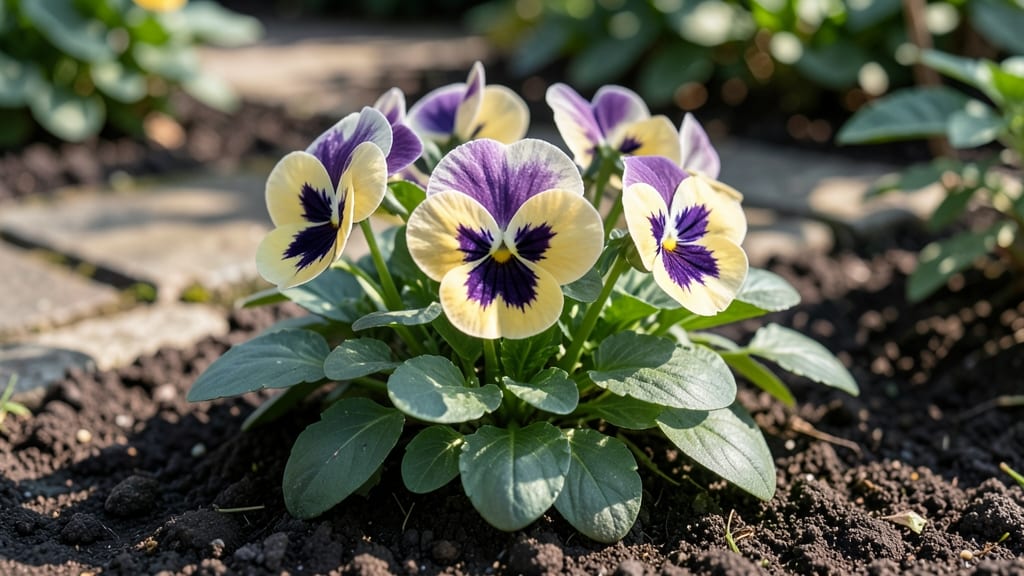
Good little garden plants are perfect for small spaces, including compact herbs like thyme and oregano, dwarf vegetables such as cherry tomatoes and bush beans, and ornamental varieties like miniature roses or creeping thyme, all designed to thrive in containers with minimal care.
These space-efficient plants excel because their genetics favor slow, controlled growth rather than sprawling vines or towering stems. 🌱 For example, thyme stays under 12 inches tall while producing abundant leaves, and cherry tomatoes grow in compact bushes instead of sprawling vines.
The key is choosing varieties bred specifically for containers—like 'Tumbling Tom' tomatoes or 'Spicy Globe' basil—where their natural growth habits prevent overcrowding. Even ornamental options like creeping thyme spread horizontally rather than vertically, creating lush ground cover without stealing vertical space.
What makes them ideal for small gardens is their adaptability: most can thrive in just 6-inch-deep containers with proper drainage, and many tolerate partial shade. 💛 I've found that grouping plants with similar sunlight needs—like herbs together—creates microclimates that maximize efficiency in tiny spaces.
The trade-off? Some may produce slightly smaller yields than their full-size counterparts, but the convenience of harvesting fresh basil or snipping thyme from your balcony makes it worth it.
💡 In This Article
- Why These Compact Plants Thrive in Small Spaces
- Best Container Gardening Tips for Tiny Plants
Why these compact plants thrive in small spaces
These tiny garden stars succeed because their biology is hardwired for efficiency. Most compact varieties have been selectively bred—or naturally evolved—to prioritize leafy growth over vertical expansion.
For instance, dwarf basil like 'Spicy Globe' grows in dense, rounded bushes only 12-18 inches tall, while its full-size cousin can reach 2-3 feet.
This controlled growth comes from genetics that suppress the plant's natural tendency to elongate stems, focusing energy instead on producing more leaves or fruit per square inch.
The root systems of these plants are another game-changer. Many compact varieties develop shallow, fibrous roots that spread horizontally rather than digging deep.
This adaptation allows them to thrive in containers with just 6-12 inches of soil depth—ideal for balcony railing planters or window boxes. 🌱 Compare this to full-size tomatoes, which need 18+ inches of soil depth to support their heavy vines and fruit. The trade-off?
Shallow roots mean these plants need more frequent watering, but their compact size makes watering easier and more efficient.
Light requirements also play a crucial role in their space-saving success. Many compact plants, like thyme and oregano, are remarkably adaptable to partial shade, making them perfect for north-facing balconies or indoor windowsills.
Their leaves are often thicker and more leathery than larger plants', which helps them conserve moisture and tolerate less-than-ideal light conditions. This adaptability means you can place them in spots where full-size plants would struggle or fail entirely.
What's fascinating is how these plants optimize their growth patterns in containers. When roots hit the edges of a pot, they grow in a circular pattern rather than downward, creating a dense root ball that supports the plant's compact structure.
This phenomenon, called root pruning, actually stimulates the plant to produce more side shoots, resulting in bushier growth. It's why a 5-gallon container can produce just as much basil as a full garden bed would for larger varieties.
There's also a fascinating chemical aspect to their compactness. Many dwarf varieties produce higher concentrations of growth-inhibiting hormones like abscisic acid, which naturally limits stem elongation. This is why you'll often see 'bush' or 'compact' labels on seed packets—they're not just marketing terms, but indicators of real biological differences.
For example, 'Tumbling Tom' cherry tomatoes produce the same sweet fruit as their vine counterparts, but their growth is genetically constrained to stay under 3 feet tall.
One of the most practical advantages is their faster maturation cycle. Compact plants often reach harvestable size in 4-6 weeks compared to 8-12 weeks for larger varieties.
This means you can enjoy multiple harvests in a single season from the same small space. 💫 The sensory payoff is immediate—imagine plucking fresh thyme for your pasta or snipping basil for your pesto, all from a container that fits on your kitchen counter.