
Planting
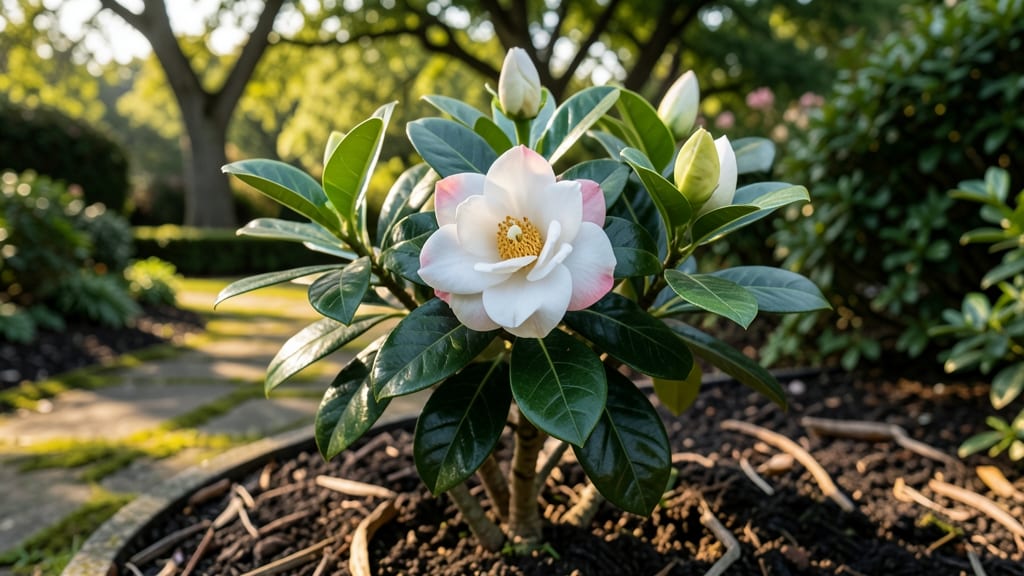
Gardenia plants thrive in Zone 7 when planted in partial shade with well-draining, acidic soil (pH 5.0-6.5). Mulch roots in winter to protect from light frosts, and water deeply 2-3 times weekly during blooming season to sustain fragrant flowers year-round.
Zone 7 gardenias love the balance of sun and shade here—too much direct sunlight can scorch their leaves while too little reduces flowering. 🌿 The acidic soil requirement isn't just about pH; it mimics their native tropical environment, helping roots absorb nutrients efficiently.
I've found that adding a 2-inch layer of pine bark mulch in late fall keeps roots cozy through occasional 20°F dips while preventing soil compaction. The deep watering schedule isn't arbitrary either—it triggers the plant's natural blooming cycle, which typically peaks from late spring through summer.
What many gardeners overlook is how Zone 7's humidity plays into care routines. The extra moisture in the air means you might need to water slightly less frequently during rainy periods, but always check soil moisture 2-3 inches down before watering.
For the most vibrant blooms, I recommend a slow-release fertilizer in early spring, timed just as new growth appears—this gives the plant the nutrients it needs without overwhelming it during dormancy.
💡 In This Article
- Optimal Soil and Light Conditions for Gardenias in Zone 7
- Seasonal Care Guide for Year-Round Gardenia Blooms in Zone 7
Optimal soil and light conditions for gardenias in Zone 7
Zone 7 gardenias rely on a delicate balance between sunlight and shade to thrive. These tropical plants need 4-6 hours of morning sun paired with afternoon shade to prevent leaf burn—a common issue when exposed to intense afternoon rays.
The key is replicating their native understory habitat where dappled light filters through taller trees. In Zone 7's climate, where summer temperatures can hit 90°F+, this light pattern helps maintain leaf moisture while still providing enough energy for blooming.
The acidic soil requirement (pH 5.0-6.5) isn't just about numbers—it's about mimicking the nutrient-rich, well-aerated conditions of their native tropical forests. Gardenias have evolved to thrive in soils with high organic matter that retains moisture but drains freely.
In Zone 7, this means amending native soil with 30-40% compost or peat moss, and avoiding clay-heavy soils that compact easily. The ideal texture should resemble a loamy blend that holds water like a well-wrung sponge—enough to keep roots hydrated but with air pockets to prevent suffocation.
Root health is directly tied to these conditions. Gardenias develop a fibrous root system that's sensitive to both waterlogging and drought. When soil pH drops below 5.0, essential nutrients like iron and manganese become locked out, causing yellowing leaves—a condition called chlorosis.
Conversely, pH above 6.5 reduces phosphorus availability, which is crucial for flower development. In Zone 7's humid summers, this means regular soil testing (every 2-3 years) to maintain that sweet spot between 5.0-6.5.
Light exposure also affects winter hardiness. While gardenias are technically tender perennials (USDA Zone 8-11), Zone 7's mild winters (average lows of 20-25°F) can be managed with proper site selection. Planting near south-facing walls or under deciduous trees provides natural winter sun exposure while protecting from harsh winds.
The right light balance also influences flower production—too little light means fewer blooms, while too much causes stress that makes plants more susceptible to fungal diseases like powdery mildew.
What most gardeners miss is how these factors interact with Zone 7's seasonal transitions. The plant's natural dormancy period in late fall requires reduced watering, but maintaining proper soil moisture prevents root desiccation.
During spring's rapid growth phase, the increased sunlight demand coincides with higher nutrient needs—this is why a balanced fertilizer (10-10-10 ratio) applied in early spring gives the best results.
The combination of proper light, soil chemistry, and seasonal adjustments creates the perfect environment for gardenias to reward you with those iconic, creamy-white blooms.