
Flowers
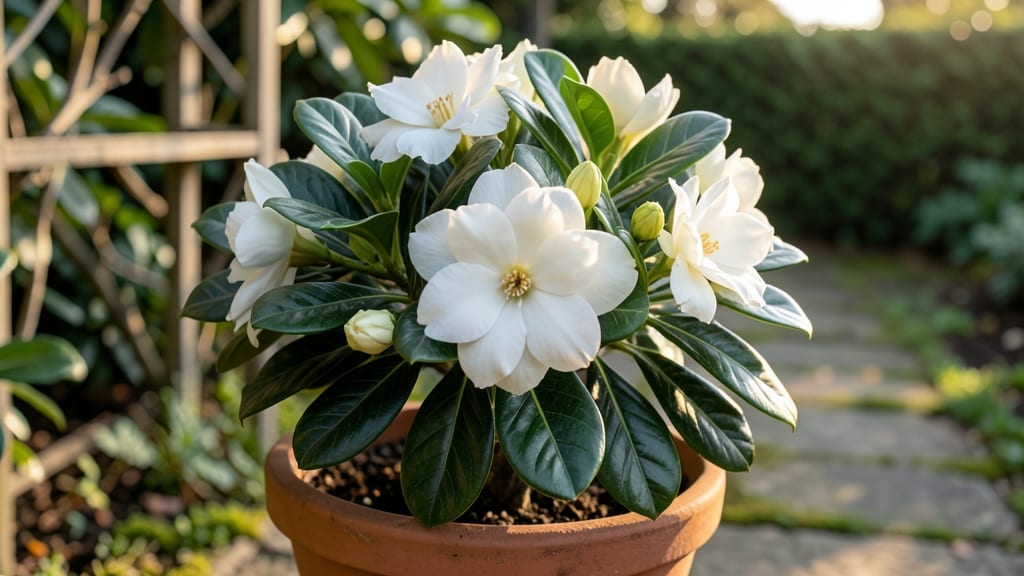
Growing gardenias in Texas requires heat-resistant varieties, partial shade, and well-draining soil to prevent wilting and maximize blooms. Opt for drought-tolerant types like 'Radicans' or 'Kleim’s Hardy' that handle Texas summers better than traditional varieties.
Texas's intense sun and heat can stress gardenias, but the right care makes them thrive. 🌞 These tropical plants need protection from direct afternoon sunlight, which causes leaf scorch and flower drop.
I’ve found that mulching with pine bark helps retain moisture while keeping roots cool—critical during our long, hot summers. The key is balancing hydration: deep watering once a week (rather than frequent light watering) encourages stronger root growth, which translates to more blooms.
Another common issue is soil alkalinity in Texas, which gardenias dislike. Amending the soil with sulfur or using acidic compost (like pine needles) can make a noticeable difference. 🌱 For best results, plant in early spring when temperatures are cooler, giving roots time to establish before summer heat arrives.
💡 In This Article
- Why Gardenias Struggle in Texas Heat (And How to Fix It)
- Best Heat-Tolerant Gardenia Varieties for Texas Gardens
Why gardenias struggle in Texas heat (and how to fix it)
Gardenias face three major physiological challenges in Texas: intense sunlight, high humidity, and alkaline soil. The state's summer temperatures often exceed 95°F, causing heat stress that triggers leaf drop and stunted growth.
Gardenias are tropical plants that prefer 60-75°F daytime temperatures, so prolonged exposure to direct sun leads to wilting and sunburn on delicate leaves. The high humidity in Texas also promotes fungal diseases like powdery mildew, which thrives in the 80-90% humidity common during summer afternoons. 🔥
The alkaline soil in many Texas regions (pH often 7.5-8.5) is another hurdle. Gardenias thrive in acidic soil with a pH of 5.0-6.5, where nutrients like iron and manganese become more available.
When soil pH exceeds 7.0, these essential micronutrients lock out, causing yellowing leaves (chlorosis) and poor flowering. The combination of heat, humidity, and alkaline soil creates a "perfect storm" that suppresses blooming, which is why many gardeners see fewer flowers in Texas summers than in milder climates.
To combat these issues, I recommend a three-step approach: mulching, pruning, and soil amendments. A 3-4 inch layer of pine bark mulch helps insulate roots from heat while slowly releasing moisture. Pruning in late winter removes dead or weak growth, allowing energy to focus on new blooms.
For soil, mix in 2-3 pounds of sulfur per 100 square feet to lower pH gradually—this takes 2-3 months to show results. 🌱 Another trick is to plant gardenias near deciduous trees or shrubs (like crape myrtles) to provide natural shade during peak afternoon sun.
Heat stress also triggers a physiological response called "abscission," where the plant drops buds and flowers to conserve energy. This is why gardenias in Texas often bloom sporadically.
The solution? Deep watering—soaking the root zone to 12-18 inches deep once weekly—encourages deeper root growth, which helps plants withstand heat better. Avoid overhead watering, as wet foliage worsens fungal issues. Instead, use drip irrigation or soaker hoses to deliver water directly to the soil.
One often-overlooked factor is air circulation. Texas's still, humid air can smother gardenias, so spacing plants 3-4 feet apart improves airflow and reduces disease risk.
I’ve noticed that gardenias in containers (with proper drainage) often perform better in Texas than in-ground plants, as containers dry out faster and allow better temperature control.
For container gardeners, choose pots with 10+ gallon capacity to accommodate root growth and use a well-draining mix of 50% peat moss, 30% perlite, and 20% pine bark.
Finally, fertilizing with a balanced, acidic fertilizer (like 10-10-10 with micronutrients) in early spring supports blooming. Avoid high-nitrogen fertilizers, which promote leafy growth at the expense of flowers.
The key is patience—gardenias in Texas may take 2-3 years to establish and bloom reliably, but with these adjustments, they can become a fragrant staple in your landscape. 💫