
Advice
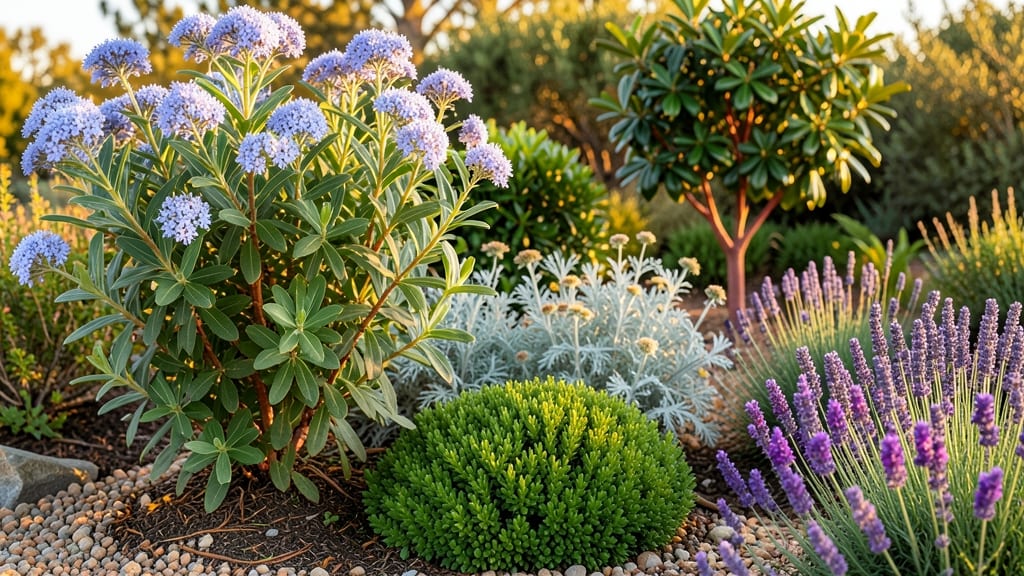
Gardening in Northern California thrives when you adapt to its unique microclimates—coastal fog zones, sunbaked inland valleys, and cooler mountain regions—each shaping what plants will flourish with minimal water and maximum resilience.
Northern California's gardening success hinges on recognizing these regional differences. 🌿 Coastal areas like San Francisco stay cooler and damper thanks to marine layer fog, while inland spots like Sacramento experience hotter, drier summers with faster water evaporation. Mountain regions near Lake Tahoe get colder winters and shorter growing seasons.
I always recommend selecting plants native to your specific zone—like California buckwheat for inland areas or coastal woodfern for foggy regions—to ensure they'll naturally thrive with less supplemental watering.
What's fascinating is how these microclimates even affect soil types. Coastal gardens often have sandy, acidic soils that benefit from organic matter, while inland valleys typically have heavier clay soils that need amendments for better drainage.
The USDA hardiness zones here range from 9 in coastal areas to 10 in inland valleys, meaning your plant choices should reflect both temperature tolerance and water availability. For example, manzanita bushes handle both coastal fog and inland heat beautifully, while lavender prefers the drier, sunnier inland conditions.
💡 In This Article
- How Northern California’s Microclimates Affect Plant Selection
- Best Drought-Resistant Plants for Northern California Gardens
How Northern California’s microclimates affect plant selection
The coastal fog that rolls in over San Francisco and Santa Cruz creates a unique "marine layer" that keeps temperatures 5-10°F cooler than inland areas just 30 miles away.
This persistent moisture creates ideal conditions for plants like coastal woodfern and coyote brush, which thrive in the 40-60% humidity typical of these zones. The fog also reduces evaporation, meaning plants need 30-50% less water than those inland. 🌫️
Inland valleys like Sacramento and the Central Valley experience hotter summers (95-105°F) and drier air (20-30% humidity), creating ideal conditions for Mediterranean species like lavender and rosemary. These areas have USDA Zone 9b-10a classifications, meaning they can support tropical plants like bougainvillea that wouldn't survive coastal frosts.
The soil here is often clay-heavy, requiring amendments like compost to prevent waterlogging.
Mountain regions above 3,000 feet (like near Lake Tahoe) face cooler temperatures (50-70°F summers) and shorter growing seasons (120-150 days), favoring alpine plants like sagebrush and mountain mahogany.
These areas experience faster temperature swings—20°F drops overnight—requiring cold-hardy species. The soil is typically well-draining volcanic loam, perfect for drought-tolerant perennials.
What most gardeners overlook is how wind patterns differ: coastal areas get steady ocean breezes that prevent heat stress, while inland valleys experience hot, still afternoons that increase water needs. Even within cities, microclimates vary—south-facing walls can be 10°F warmer than north-facing ones, affecting plant placement. 🌬️
Soil pH also shifts dramatically: coastal areas often have acidic soils (pH 5.5-6.5), while inland valleys are neutral to alkaline (pH 7.0-8.0). This explains why rhododendrons thrive near the coast but struggle inland.
Testing your soil's pH and adjusting with lime (to raise pH) or sulfur (to lower it) can make all the difference in plant health.
Here's a quick reference for your region's key factors:
- Coastal: 50-60°F avg temps, 40-60% humidity, acidic sandy soil, marine layer protection
- Inland Valleys: 70-95°F avg temps, 20-30% humidity, clay-heavy soil, hot dry winds
- Mountains: 50-70°F summers, low humidity, volcanic loam, fast temp swings