
Tools
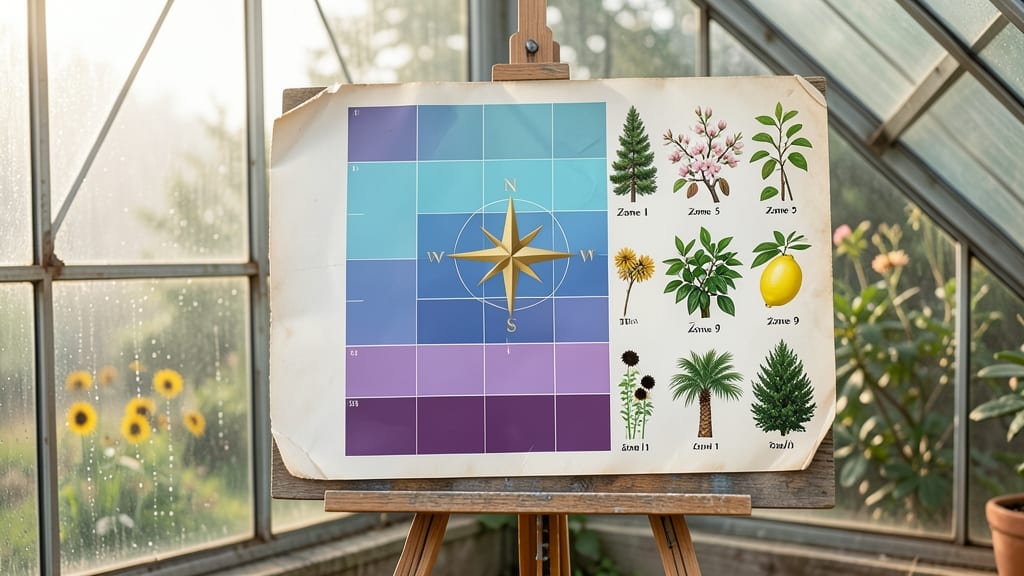
To determine your US gardening zones, use the USDA Plant Hardiness Zone Map to identify your location's average minimum winter temperatures, which directly affects which plants will survive and thrive in your area. Simply enter your ZIP code on the free USDA website for instant zone results.
Understanding your US gardening zones helps you select plants that match your local climate conditions.
The USDA divides the country into 13 zones, numbered from 1 (coldest) to 13 (warmest), based on average annual minimum temperatures. 🌱 For example, Zone 5 experiences winters as cold as -20°F, while Zone 9 rarely drops below 20°F. This system ensures you choose plants with the right cold hardiness for your region, preventing frost damage and promoting healthy growth.
Beyond the main zone, the USDA also uses lettered subdivisions (a and b) to further refine temperature ranges.
For instance, a location in Zone 6a might experience slightly colder winters than one in 6b. This precision helps gardeners fine-tune their plant selection, especially in transitional climates where microclimates—like sunny slopes or shaded valleys—can create localized variations.
💡 In This Article
- What USDA Plant Hardiness Zones Tell Gardeners
- How to Use Your Gardening Zone for Plant Selection
What USDA plant hardiness zones tell gardeners
The USDA Plant Hardiness Zone Map divides the country into zones based on the average annual minimum temperature—the coldest temperature expected to occur in any given area over a 20-year period. This isn’t just about winter chill; it’s about survival.
Plants have a critical temperature threshold below which their cells freeze, disrupting membranes and killing the plant. For example, a Zone 4 plant can handle down to -30°F, while a Zone 10 plant won’t survive below 30°F. 🌡️
What makes this system so precise is how it accounts for microclimates—small areas with unique conditions. A south-facing slope in Zone 6a might warm up enough to support plants rated for Zone 7a, while a frost pocket in the same area could be colder.
The USDA map uses 30-year climate data from weather stations to calculate these zones, ensuring accuracy. For instance, Denver’s downtown sits in Zone 6b, but nearby mountain foothills can drop into Zone 5a due to elevation and wind patterns.
Zones also correlate with first and last frost dates, which are critical for planting schedules. A Zone 5 gardener might wait until after the last spring frost (around May 15) to plant tomatoes, while a Zone 9 gardener can start them in early March.
The map doesn’t just tell you what to plant—it tells you when. This is why gardeners in Zone 8 can grow year-round crops like citrus, while Zone 3 gardeners must rely on cold-hardy varieties like kale or winter squash.
Here’s what happens if you ignore your zone: Plants that aren’t cold-hardy enough will suffer freeze damage, showing symptoms like blackened leaves, mushy stems, or dead branches. Even if they recover, their growth is stunted, and they’re more vulnerable to pests and diseases.
Conversely, planting tropical plants in Zone 4 is a waste of time—they’ll bolt or die as soon as temperatures dip. The zone system acts as a survival guide for your garden, ensuring you invest in plants that will thrive, not struggle.
For gardeners in transitional zones (like 6a/6b or 7a/7b10°F difference separates them—enough to determine whether you can grow peonies (Zone 3-8) or if you’re pushing your luck with hydrangeas (Zone 4-9).
The USDA updates the map every 10 years to reflect climate shifts, like the gradual warming that’s pushed some areas into higher zones over time.
Think of your zone as your garden’s climate DNA. It’s not just about cold tolerance—it’s about the entire growing season’s rhythm. A Zone 10 garden in Florida might have 300 frost-free days, while a Zone 4 garden in Minnesota gets only 120-150 days.
This explains why Florida gardeners can grow year-round vegetables, while northern gardeners focus on quick-maturing crops or extend the season with greenhouses. 🌿