
Planting
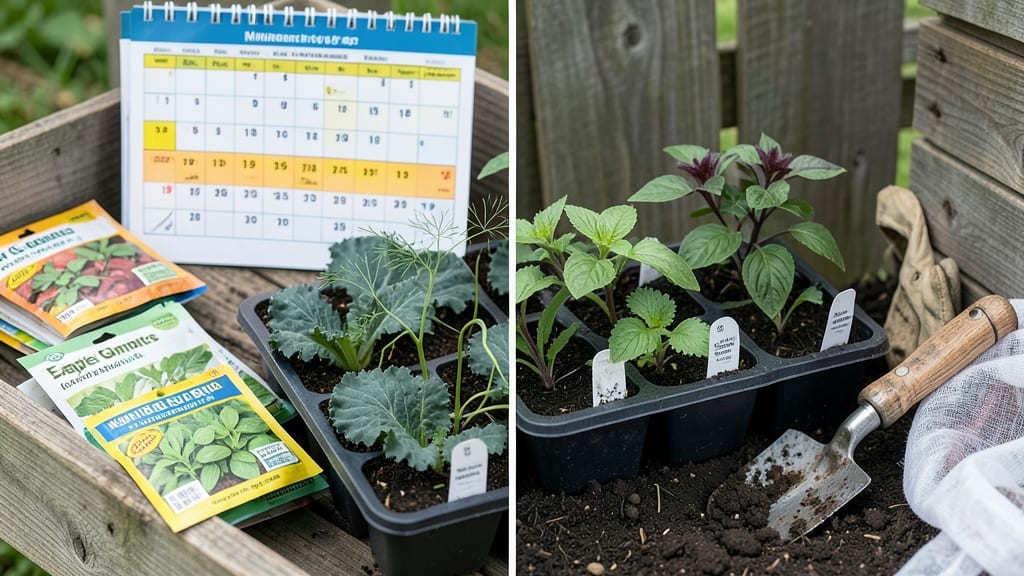
Planting a garden in Minnesota means timing is everything—your last frost date can swing by two weeks from one year to the next, and a single late freeze will turn your seedlings into confetti.
If you’ve ever rushed to get your 🌱 in the ground only to watch it wilt under a surprise frost, you know the stakes.
But here’s the good news: with the right schedule, you can stretch your growing season from Minneapolis’s Zone 4B to the Iron Range’s Zone 3A without losing your cool-season crops to heat or your warm-season plants to cold.
Below, I break down the exact windows for planting everything from peas to peppers, including how to adjust for Minnesota’s unpredictable weather—plus the one trick that saves your garden when the forecast goes rogue.
You’ll walk away with a zone-specific planting calendar, tips for succession planting, and how to use soil temperature (not just the weather app) to get your garden in the ground at the perfect moment.
Minnesota’s frost-free dates by hardiness zone: when to plant cool vs warm season crops
Minnesota’s gardening season hinges on frost-free dates, which vary dramatically across its USDA hardiness zones 4A-5A. In Zone 4A (northern Minnesota), the last spring frost typically arrives between May 15-30, while Zone 5A (southern Minnesota) sees frost-free conditions by May 1-15.
These dates determine whether you’ll grow cool-season crops like spinach or warm-season crops like tomatoes successfully.
Understanding your local frost dates prevents costly mistakes. For example, planting tomato seedlings too early in Zone 4A risks frost damage, while waiting too long in Zone 5A shortens the growing season.
I’ve gardened in both zones and learned that cool-season crops thrive when planted 4-6 weeks before the last frost, while warm-season crops need soil temperatures above 50°F (10°C).
Here’s a zone-specific planting guide for Minnesota’s most common crops, including last frost dates, planting windows, and crop maturity timelines to avoid frost damage:
| Zone | Last Frost Date | Cool-Season Crops (Plant) | Warm-Season Crops (Plant) | Key Notes |
|---|---|---|---|---|
| 4A (Duluth, International Falls) | May 15-30 | Peas (March 15-April 15), Spinach (April 1-May 1), Kale (April 15-May 10) | Tomatoes (May 20-June 1), Peppers (May 25-June 5), Basil (June 1-10) | Use row covers for early crops; extend season with cold frames. |
| 4B (Brainerd, St. Cloud) | May 1-15 | Lettuce (March 20-April 20), Radishes (April 1-May 5), Carrots (April 10-May 15) | Cucumbers (May 10-May 25), Zucchini (May 15-May 30), Eggplant (May 25-June 5) | Soil warms faster here; test with a soil thermometer (50°F+). |
| 5A (Minneapolis, Rochester) | April 25-May 10 | Broccoli (March 1-April 1), Cabbage (March 15-April 20), Beets (April 1-May 10) | Green Beans (May 5-May 20), Corn (May 10-May 25), Melons (May 20-June 1) | Longer season allows for succession planting; harvest warm crops by Sept 15. |
| 5B (Mankato, Winona) | April 20-April 25 | Onions (March 1-April 10), Swiss Chard (March 15-April 15), Peas (March 10-April 20) | Okra (May 15-May 30), Sweet Potatoes (May 10-May 25), Peppers (May 10-May 20) | Southern MN’s longer season; consider fall planting for cool crops. |
For cool-season crops, timing is critical because they germinate quickly in cold soil. In Zone 4A, I start peas and spinach indoors in late March or sow directly in early April. These crops tolerate light frosts, but heavy frost (below 28°F/-2°C) can damage young plants.
In Zone 5A, you can plant lettuce and radishes as early as late March, but always have row covers ready.
Warm-season crops like tomatoes and peppers need consistent warmth to thrive. In Zone 4A, wait until after May 20 to transplant seedlings, and use black plastic mulch to warm the soil faster.
In Zone 5A, you can plant tomatoes by May 1, but always monitor nighttime temperatures—they should stay above 50°F (10°C).
One trick I’ve learned is to use maple tree leaf-out as a natural indicator. When sugar maples bloom in your area, it’s a sign that last frost is near (typically 2-3 weeks later).
This works especially well in Zone 4B-5A, where maples are common. Pair this with a soil thermometer to confirm readiness for warm-season crops.
If you’re in Zone 4A and want to grow tomatoes or peppers, consider starting them indoors in March and transplanting after Memorial Day.
For Zone 5A, you can direct-sow beans and cucumbers by May 10, but always be ready to cover young plants if frost is forecasted. I’ve lost entire pepper plants to late frosts, so I now use frost cloth as a precaution.
Don’t forget about fall planting for cool-season crops! In Zone 5A, you can sow spinach and kale as late as August 15 for a fall harvest.
In Zone 4A, aim for mid-July plantings to avoid early frosts. Use row covers to extend the season by 2-4 weeks in both zones.
Pro tip: Bookmark your local coop extension service’s frost date maps (like the UMN Extension resources). They update annually based on 30-year averages and account for microclimates in cities vs. rural areas.
For example, Minneapolis’ urban heat island effect can delay first frost in fall by 1-2 weeks compared to surrounding areas.
By aligning your planting schedule
Best planting schedule for Minnesota’s top 10 vegetables: from asparagus to zucchini
Minnesota’s short growing season demands precision when planting your favorite vegetables. Whether you’re growing asparagus for long-term harvests or zucchini for summer feasts, timing is everything. The key is balancing frost dates with each plant’s needs—cool-season crops like spinach and peas thrive early, while tomatoes and peppers need warmth.
Let’s break down the best planting windows for Minnesota’s top 10 vegetables, including succession planting tips to keep your garden productive all season.
For most of Minnesota (USDA zones 4A-5A), aim to plant cool-season crops like lettuce and radishes 4-6 weeks before your last frost date (typically mid-April to early May). Warm-season crops such as beans and cucumbers should wait until 2-3 weeks after the last frost (late May to early June).
Extend your harvest with row covers or cold frames—these can push your growing season by 2-4 weeks in both directions.
Here’s your month-by-month planting schedule for Minnesota’s top vegetables, including succession planting tips to maximize your garden’s potential:
Don’t forget to use row covers or cold frames to extend your season. For example, covering lettuce in early spring can push harvests 2-3 weeks earlier, while protecting tomatoes in fall can add 4-6 weeks of growing time.
Monitor your local frost dates—they vary by 1-2 weeks across Minnesota—and adjust accordingly. Northern regions (like Zone 4A) should plant 1-2 weeks later than southern areas (like Zone 5A).
For succession planting, focus on lettuce, radishes, and bush beans. Sow new seeds every 2-3 weeks to ensure a steady supply.
For example, if you plant lettuce on April 15th, follow up with another batch on May 1st and June 1st to avoid a glut of mature leaves at once.
This technique works wonders for herbs too—basil planted in late May and again in early July will give you fresh leaves all summer.
Pro tip: Keep a gardening journal to track your planting dates and success rates. Note which varieties thrive in your microclimate and adjust future schedules accordingly. With this schedule, you’ll enjoy a bountiful harvest from spring to fall, even in Minnesota’s challenging climate! 🌱