Planting
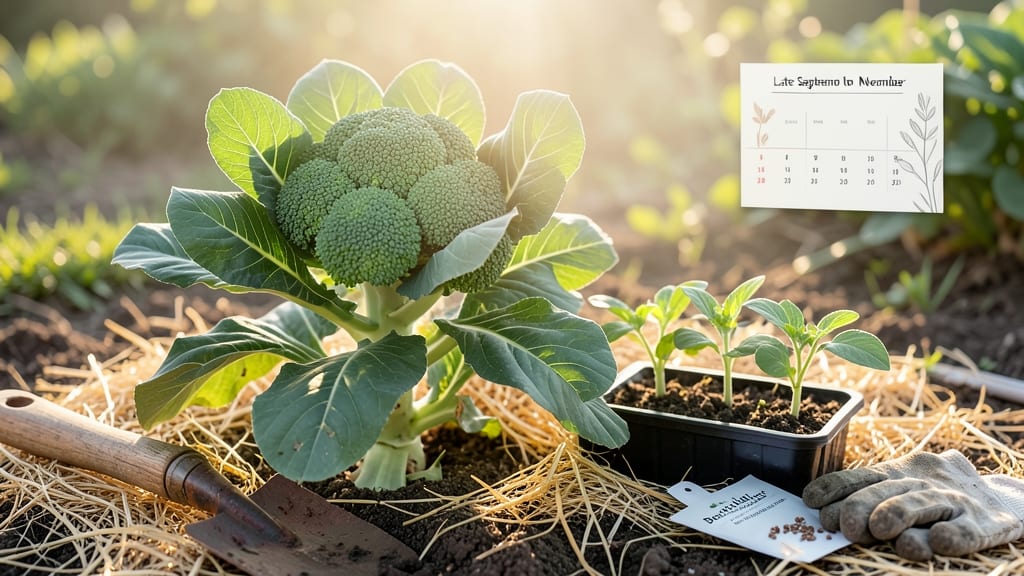
Planting a winter garden in Florida requires timing it just right—after summer’s heat fades but before any unexpected chill sets in 🥬.
Florida’s mild winters create a unique opportunity to grow a thriving winter garden—but timing is everything. Plant too early, and the heat will stress your crops; wait too long, and frost (rare but possible in North Florida) could ruin your harvest.
Most Florida gardeners can start sowing seeds or transplanting seedlings as early as August in South Florida or September in North Florida, when soil temperatures drop below 85°F. This window ensures your greens, root crops, and herbs establish strong roots before the cooler months arrive.
Below, I’ll break down the exact planting schedule by region, the top 7 heat-tolerant crops that thrive in Florida’s winter, and the critical mistakes to avoid—so you can enjoy a bountiful harvest from November through April.
Best planting timeline for Florida winter gardens by region
Florida’s three distinct regions—North, Central, and South—each offer unique microclimates for winter gardening. Unlike northern states, Florida’s frost-free winters (except rare events in North Florida) mean you can grow cool-season crops year-round with the right timing.
The key is planting when soil temperatures drop below 85°F and daytime highs stay under 80°F to avoid heat stress.
North Florida gardeners (USDA Zones 8a-9a) face the highest frost risk, while South Florida (Zones 10a-11) can plant almost year-round. Central Florida (Zones 9b-10a) strikes a balance, offering a longer planting window.
Below is your region-specific timeline for transplanting heat-tolerant winter crops like kale, collards, carrots, and broccoli.
Pro Tip: Always check your local frost date averages (North Florida’s last frost is typically January 15-February 1) and adjust by 2-4 weeks. Use row covers if early frosts threaten your garden.
For North Florida, start seeds indoors in late August for early October transplants. This gives seedlings time to establish before cooler nights arrive.
In Central Florida, you can direct-sow fast-growing crops like radishes and lettuce as early as mid-August, but wait until September for slower growers like broccoli.
South Florida gardeners enjoy the longest window, but avoid planting in July when soil temps exceed 90°F. Instead, focus on August and September for heat-tolerant varieties like Malabar spinach or yard-long beans. Succession planting every 2-3 weeks ensures a continuous harvest through April.
Use shade cloth (30-50%) for young seedlings in September to protect them from intense afternoon sun. Once established, most winter crops thrive with 6-8 hours of sunlight and well-draining soil. Amend sandy Florida soil with compost or aged manure to retain moisture and nutrients.
Monitor your garden for whiteflies and aphids, which thrive in Florida’s winter humidity. Neem oil or insecticidal soap applied in the early evening provides effective control without harming beneficial insects. Mulch with straw to suppress weeds and maintain even soil temperatures.
Remember: Florida’s winter garden isn’t just about avoiding frost—it’s about harnessing the cooler temps to grow sweeter, more tender vegetables. With this timeline, you’ll enjoy homegrown kale in December and crisp carrots in February, even in the heart of the Sunshine State.
Top 7 heat-tolerant winter crops that thrive in Florida’s climate
Florida’s winter garden success hinges on choosing the right heat-tolerant crops that handle mild temperatures while avoiding summer’s lingering heat. Unlike northern climates, Florida’s USDA Zones 9a-11 allow year-round growing—but winter crops need careful timing to thrive.
These seven frost-resistant varieties are my go-to picks for Florida gardens, selected for their ability to handle 70-80°F soil temperatures while producing bountiful harvests.
From sweet potatoes that love the heat to turnips that tolerate light frosts, each crop has specific planting windows and care needs. I’ve included Florida-specific tips to prevent common issues like bolting (when plants flower prematurely) or pest infestations (like aphids on leafy greens).
Let’s dive into the best crops and their exact planting schedules for your region.
- 📅 North Florida: Start seeds September 15-October 15 for frost-free harvests by December.
- 🌡️ Soil temp rule: Wait until soil drops below 85°F (use a soil thermometer) to prevent seed rot.
- 💧 Watering hack: Use drip irrigation in the morning to avoid fungal diseases in Florida’s humid winters.
- 🌿 Shade cloth tip: Use 30% shade cloth for leafy greens in South Florida’s intense winter sun.
- ✂️ Pest control: Spray neem oil weekly on collards and kale to deter cabbage worms.
- 🌱 Succession planting: Sow radishes every 2 weeks for continuous harvests from October to March.
- 🌡️ Frost watch: Even in North Florida, most winters stay above 40°F—but monitor National Weather Service alerts.
First up, sweet potatoes are my top recommendation for Florida’s winter gardens. These heat-loving tubers thrive in 75-85°F soil and can be planted as late as November in South Florida or October in North Florida.
For best results, plant slips (young plants) in well-draining, sandy loam soil and keep them lightly mulched to retain moisture. Harvest before hard frosts (rare but possible in North Florida’s highest elevations), typically by March.
Turnips are another winter staple that handles Florida’s mild temperatures beautifully. Sow seeds September-October for a 60-day harvest, with varieties like ‘Purple Top White Globe’ performing best. To avoid bolting (when turnips flower too soon), keep soil consistently moist and use shade cloth in South Florida’s winter sun. Pull leaves when roots reach 2-3 inches in diameter for tender greens, or harvest whole roots before they get woody.
Don’t overlook dill, a hardy herb that thrives in Florida’s winter conditions. Plant seeds September-November for a 70-90 day harvest window. Dill loves full sun to partial shade and tolerates light frosts, making it perfect for North Florida gardens.
To prevent flowering too early, pinch back stems when they reach 6 inches tall. Use fresh dill in salads or dry it for later use—it’s a pest-repellent too!
For leafy greens, collard greens are a Florida favorite. These cold-hardy plants can handle temperatures down to 25°F and should be planted September-October. Choose ‘Georgia Southern’ for its heat tolerance and sweet flavor.
Harvest outer leaves first to encourage continuous growth. Watch for aphids and treat with insecticidal soap if needed. Collards are nutrient-dense and perfect for stir-fries or sautéing.
Lastly, radishes are a quick-growing winter crop that adds color and crunch to your garden. Plant ‘Cherry Belle’ or ‘French Breakfast’ varieties September-March for a 30-day harvest. Radishes thrive in cool weather and well-draining soil, making them ideal for Florida’s winter beds.
To prevent bitter flavors, harvest when roots are 1 inch in diameter. Succession plant every 2 weeks for a continuous supply.
Each of these heat-tolerant crops brings something unique to your Florida winter garden. By following these planting windows and care tips, you’ll avoid common pitfalls like bolting or pest damage while enjoying a bountiful harvest from November to April. Happy gardening! 🌱