
Flowers
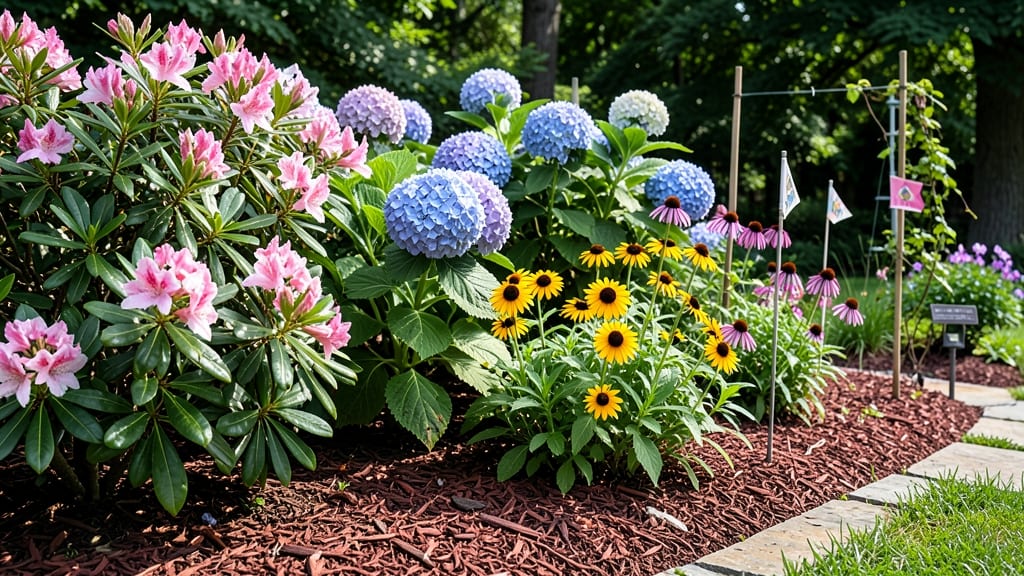
Gibbs Gardens in Ball Ground offers rare botanical collections, expert-curated themed displays, and climate-specific planting advice for Georgia gardeners, making it a must-visit for both plant enthusiasts and home landscapers.
This 10-acre garden stands out for its carefully selected plant varieties that thrive in Georgia’s Zone 7b-8a climate, featuring everything from native wildflowers to exotic perennials. 🌿 What sets it apart is how they combine horticultural education with hands-on displays—like their famous butterfly garden—that demonstrate sustainable practices you can replicate at home.
The gardens also host seasonal workshops where visitors learn pruning techniques and soil amendments tailored to Ball Ground’s unique microclimate.
Whether you're hunting for drought-resistant plants or inspiration for your own garden beds, Gibbs Gardens provides practical solutions while celebrating the region's natural beauty. Their annual plant sale in spring is especially popular among local gardeners looking to stock up on proven performers.
💡 In This Article
- Exploring Gibbs Gardens’ Unique Plant Collections
- Seasonal Planting Tips Inspired by Gibbs Gardens
Exploring Gibbs Gardens’ unique plant collections
Gibbs Gardens curates its collections with a focus on plants that thrive in Georgia's Zone 7b-8a climate, blending native species with carefully selected exotics.
Their 10-acre display features over 3,000 plant varieties, including rare perennials like Hosta 'Blue Angel' and Hemerocallis 'Stella de Oro', which have proven resilience in the region's humid summers and mild winters.
The garden's signature butterfly garden showcases host plants like passionflower vine and milkweed, demonstrating how to create pollinator-friendly habitats while supporting local ecosystems.
The gardens prioritize sustainable landscaping by incorporating native plants that require minimal water once established.
For example, their drought-tolerant collection includes sedum varieties and yucca filamentosa, which thrive with only 1 inch of water per week after establishment—ideal for Georgia's hot, dry spells. 🌿 The rosary garden features Rosa 'Dr. Huey', a disease-resistant cultivar that blooms prolifically in the region's climate, proving that beauty and practicality can coexist in garden design.
Seasonal blooms are meticulously planned to create year-round interest. In spring, visitors can admire azaleas and camellias in full bloom, while summer highlights include canna lilies and crotons that thrive in the heat.
The fall display features Japanese maples with vibrant foliage, and winter brings structure through evergreen shrubs like Ilex 'Nellie R. Stevens'. This careful sequencing ensures the garden remains visually dynamic throughout all four seasons, offering inspiration for home gardeners looking to extend their own plants' bloom times.
What makes Gibbs Gardens' collections particularly valuable is their emphasis on climate-adapted species. The team conducts trials and research on plant performance, tracking factors like soil pH (5.5-6.5 for most collections) and sun exposure requirements.
For instance, their shade garden features plants that tolerate only 2-4 hours of direct sunlight daily, while the sun garden displays varieties that thrive in full sun conditions. This scientific approach helps visitors make informed choices for their own landscapes.
The gardens also demonstrate sustainable practices that home gardeners can adopt, such as mulching with pine straw to retain moisture and suppress weeds.
Their compost demonstration area shows how organic waste can be transformed into nutrient-rich soil amendments, while the rain garden illustrates how to manage stormwater runoff using native plants that absorb excess moisture.
These practical examples make Gibbs Gardens not just a beautiful destination, but also a living classroom for eco-friendly gardening techniques.
One standout feature is their fragrance garden, where plants are selected for their aromatic qualities rather than just visual appeal. Varieties like lavender and rosemary release their scents in the afternoon heat, while evening primrose blooms open at dusk, filling the air with a sweet fragrance.
This sensory experience demonstrates how to create multi-layered garden spaces that engage all five senses, a principle home gardeners can apply to their own designs.