
Vegetables
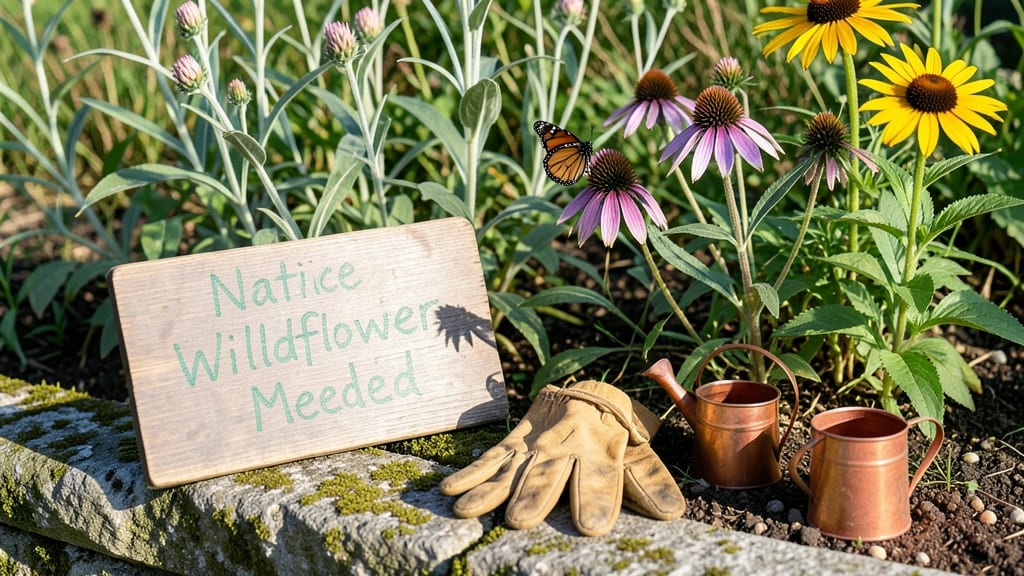
To become a green state gardener, focus on zero-waste growing methods like composting all plant waste, capturing rainwater for irrigation, and rotating crops to preserve soil fertility naturally—without relying on synthetic fertilizers or chemicals.
This approach transforms gardening into a closed-loop system where every scrap becomes a resource. 🌱 For example, kitchen scraps turn into nutrient-rich compost, while rainwater collection slashes your water bill while keeping runoff out of local waterways.
The real magic happens in the soil—healthy microbes thrive when you feed them organic matter, creating a self-sustaining ecosystem that requires fewer inputs over time.
What sets green state gardening apart is its focus on long-term resilience rather than quick fixes. Instead of reaching for chemical solutions when pests appear, you'll learn to use companion planting and beneficial insects as natural pest control.
The techniques I've found most effective—like growing cover crops in winter—actually improve your soil while keeping weeds at bay, proving that nature's systems work better than synthetic ones.
💡 In This Article
- Zero-Waste Soil Health Strategies for Sustainable Gardening
- Year-Round Green Gardening Tools and Techniques
Zero-waste soil health strategies for sustainable gardening
Healthy soil is the foundation of green state gardening, and the secret lies in mimicking nature's nutrient cycles. Instead of relying on synthetic fertilizers, focus on building organic matter through composting—where kitchen scraps, yard waste, and plant debris break down into rich humus.
This process, powered by microbes and earthworms, transforms waste into a dark, crumbly soil amendment packed with nutrients like nitrogen, phosphorus, and potassium, which plants can absorb efficiently. A well-maintained compost pile can reduce your garden's need for external inputs by up to 70%, while also cutting landfill waste.
One of the most powerful yet underused techniques is cover cropping, where you plant fast-growing species like clover or winter rye between harvests. These plants prevent erosion, fix nitrogen in the soil, and add organic matter when tilled in.
For example, a 4-inch layer of clover hay mulched into the soil provides enough nitrogen to support a heavy feeder like tomatoes without synthetic boosts.
Another game-changer is vermicomposting, where worms like red wigglers process organic waste into "worm castings" that contain up to 5 times more nutrients than regular compost, plus beneficial microbes that protect plants from diseases.
Microorganisms are the unsung heroes of soil health. Mycorrhizal fungi, for instance, form symbiotic relationships with plant roots, extending their reach to absorb water and nutrients more efficiently. Inoculating your soil with these fungi can increase plant growth by 20-30% while reducing the need for fertilizers.
Mulching with straw or wood chips also plays a critical role—it conserves moisture, suppresses weeds, and slowly decomposes to feed the soil. A 3-inch mulch layer can reduce watering needs by 50% while keeping soil temperatures stable, creating ideal conditions for microbial activity.
What most gardeners overlook is the long-term impact of these practices. Unlike chemical fertilizers that provide a quick but temporary boost, organic methods build soil structure over time, improving water retention and aeration.
For example, a garden using these techniques for 3-5 years often requires fewer amendments and becomes more resilient to drought and pests. The key is consistency—treating your soil like a living ecosystem rather than an inert medium where you dump nutrients.
To get started, begin with a simple compost bin or vermicomposting setup in your kitchen. Collect food scraps like fruit peels, coffee grounds, and vegetable trimmings, and mix them with dry materials like leaves or shredded newspaper.
Within 2-3 months, you'll have nutrient-rich compost ready to enrich your garden beds. The payoff? Healthier plants, fewer inputs, and a garden that thrives without harming the planet.