Herbs to Plant in the Garden: 15 Fast-Growing Picks for Year-Round Harvests

Planting

Herbs to Plant in the Garden: 15 Fast-Growing Picks for Year-Round Harvests

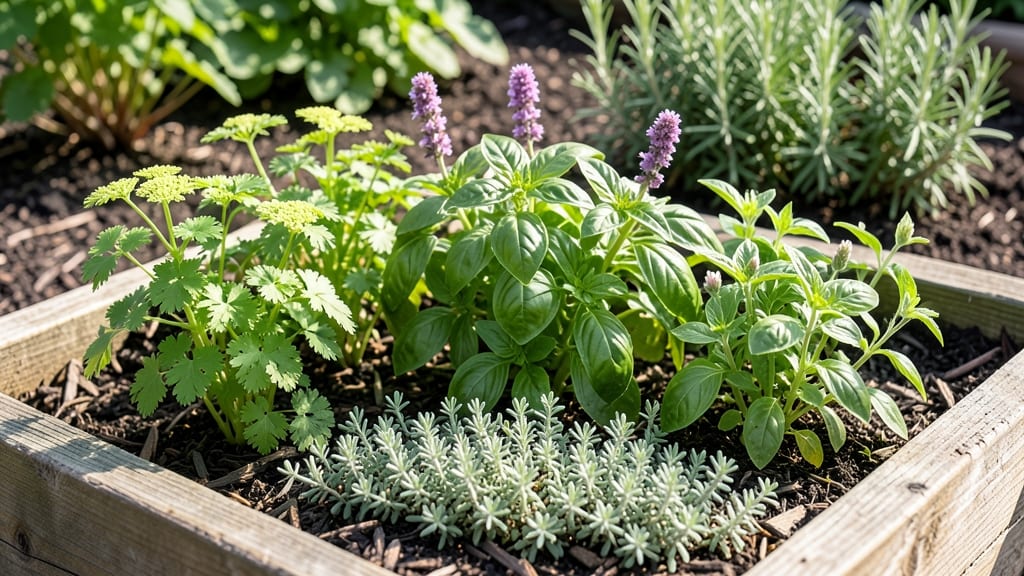
Planting herbs in the garden đŸŒ± is one of the fastest ways to turn your yard into a fragrant, flavorful hub—whether you’re a total beginner or a seasoned green thumb.

Imagine stepping into your garden and snipping fresh basil for your pasta or mint for your lemonade—without ever setting foot in a grocery store. Growing your own herbs isn’t just rewarding; it’s easy, cost-effective, and transforms any outdoor space into a culinary powerhouse.

From sun-loving rosemary to shade-tolerant parsley, the right herbs can thrive in almost any corner of your yard—or even on a windowsill. Some, like basil and cilantro, bolt in the heat, while others, such as thyme and oregano, handle drought like pros.

Below, I’ll break down the 15 fastest-growing herbs for your garden, their care needs, and how to keep them producing all season long—so you’re always just steps away from fresh flavors.

đŸŒ± Your Herbs Journey
From seed to harvest in your area
Grow
Spring-Summer
Harvest
Summer
Best Time to Plant in your area
Spring
Plant when soil is warm and workable

15 Fast-growing herbs perfect for beginners and experienced gardeners

Growing your own herbs is one of the most satisfying ways to connect with your garden. These fast-growing herbs deliver quick rewards, whether you're a beginner or seasoned gardener.

From basil that thrives in summer to rosemary that loves cool climates, each herb brings unique flavors and benefits to your kitchen and garden.

What makes these herbs special? They're chosen for their rapid growth, low maintenance, and versatility. Whether you have a sunny patio or a shady corner, there's an herb that will flourish. Plus, they're perfect for container gardening, making them ideal for small spaces or urban balconies.

Herb Name Sunlight Needs Growth Speed Harvest Time Best For
Basil Full Sun (6+ hrs) 3-4 weeks Summer-Fall Pesto, salads, Italian dishes
Cilantro Partial Sun (4-6 hrs) 4-6 weeks Spring-Fall Mexican, Asian cuisines
Dill Full Sun (6+ hrs) 6-8 weeks Summer Pickles, soups, fish dishes
Mint Partial Shade (3-4 hrs) 3-4 weeks Year-round Tea, cocktails, desserts
Parsley Partial Sun (4-6 hrs) 8-10 weeks Spring-Fall Garnish, soups, salads
Rosemary Full Sun (6+ hrs) 8-12 weeks Year-round Meat rubs, bread, stews
Thyme Full Sun (6+ hrs) 6-8 weeks Summer-Fall Roasts, soups, marinades
Chives Partial Sun (4-6 hrs) 4-6 weeks Spring-Fall Eggs, potatoes, salads
Oregano Full Sun (6+ hrs) 6-8 weeks Summer-Fall Pizza, pasta, Mexican dishes
Sage Full Sun (6+ hrs) 8-12 weeks Summer-Fall Stuffing, pork, butter
Chamomile Partial Sun (4-6 hrs) 6-8 weeks Summer-Fall Tea, relaxation
Lavender Full Sun (6+ hrs) 10-12 weeks Summer-Fall Scented sachets, desserts
Stevia Full Sun (6+ hrs) 8-10 weeks Summer-Fall

How to maximize herb growth: soil, sunlight, and watering tips

Growing herbs at home is simpler than you think, but ideal conditions make all the difference. Whether you're cultivating basil for pesto or rosemary for roasts, these plants thrive when given the right care.

The secret lies in three key factors: soil quality, sunlight exposure, and consistent watering. Let’s break down how to optimize each for lush, flavorful herbs all season long.

Start with well-draining soil—herbs hate soggy roots. Amend your garden bed with compost or sand to improve drainage, especially for Mediterranean herbs like thyme or oregano. A pH between 6.0 and 7.0 works best for most herbs, though blueberries (yes, they’re herbs!) prefer slightly acidic soil.

Test your soil’s pH before planting to avoid nutrient deficiencies that stunt growth.

⚠ callout-warning ⚠

🚹 Common Mistake: Overwatering

Herbs like basil and parsley wilt when overwatered, but drought-tolerant herbs (like rosemary or lavender) suffer from too much moisture. Check soil moisture by sticking your finger 1 inch deep—water only if it feels dry. Morning watering prevents fungal diseases by letting foliage dry before nightfall.

Sunlight is non-negotiable for most herbs. 6 to 8 hours of direct sun daily is the golden rule, but shade-loving herbs like cilantro or mint can handle partial shade in hot climates. Place taller herbs (like dill) on the north side of your garden to avoid shading smaller plants.

If you’re growing herbs in containers, position them near a south-facing window or use grow lights for indoor herbs.

Watering herbs requires balance—too little causes wilting, but too much rots roots. Water deeply but infrequently, aiming for the soil around the roots rather than the leaves. Drip irrigation or soaker hoses work best, delivering water slowly to prevent runoff.

For container herbs, ensure pots have drainage holes and water when the top inch of soil feels dry. Mulching with straw or wood chips retains moisture and regulates soil temperature, reducing your watering frequency by up to 30%.

Don’t forget to harvest regularly to encourage bushier growth. Pinch back the tips of basil or mint to promote branching, and harvest leaves in the morning when essential oils are at their peak. Avoid cutting more than one-third of the plant at once, or you’ll stress the herb.

With the right soil, sunlight, and watering routine, your herbs will grow faster and taste more vibrant than store-bought.

Pro tip: Rotate your herbs every few weeks to ensure even sun exposure, and fertilize lightly with a balanced organic fertilizer (like fish emulsion) every 4–6 weeks during the growing season. By mastering these basics, you’ll enjoy a year-round herb harvest with minimal effort.

★★★★★4.8(10 reviews)
Categories Planting