
Light Requirements
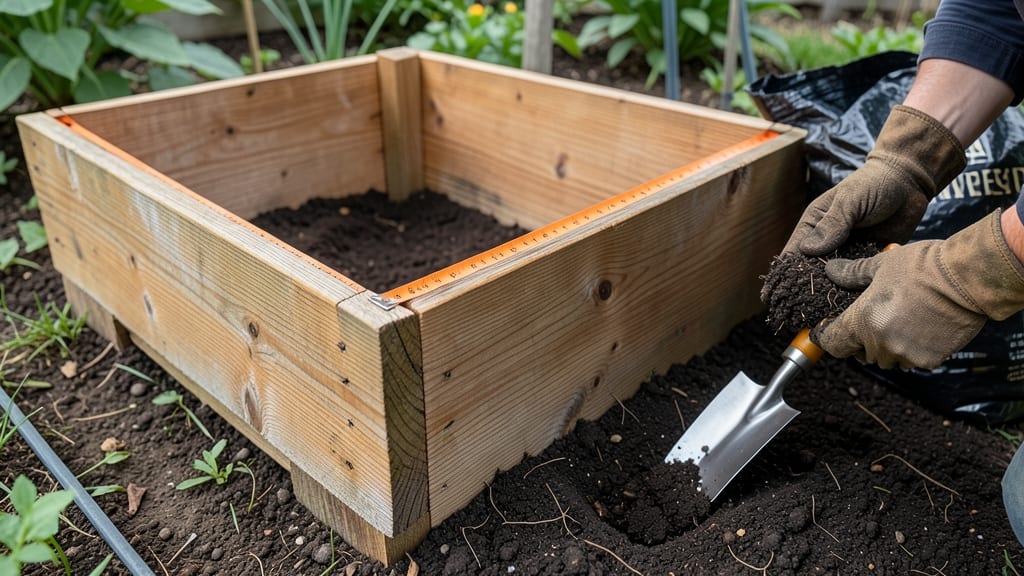
To determine how much dirt for a raised garden bed, multiply the bed’s length by width by depth (in feet), then divide by 27 to convert cubic feet to cubic yards. For example, a 4’x8’ bed filled 12” deep needs 3.5 cubic yards of soil mix.
Calculating the right amount of soil for your raised garden bed starts with understanding the simple math behind volume. Depth matters most—a 12-inch-deep bed requires twice as much soil as a 6-inch-deep one, even if the footprint stays the same. 🌱 I always recommend starting with at least 10-12 inches of soil depth to accommodate root growth and moisture retention, especially for vegetables like tomatoes or peppers.
Many gardeners overlook how quickly soil compacts over time, so buying 10-15% more than your calculation is a smart move.
For those working with unconventional shapes or sloped beds, break the space into rectangles, calculate each section separately, and sum the totals. Overhanging frames can add 1-2 extra inches of depth around the edges—factor that in if your bed has a lip.
Pro tip: Use a tape measure to verify your bed’s actual dimensions before purchasing soil, as store-bought beds sometimes list dimensions that don’t match their real-world footprint.
💡 In This Article
- Calculating Raised Bed Soil Volume by Dimensions
- Best Soil Mixes and Bulk Purchase Tips for Raised Beds
Calculating raised bed soil volume by dimensions
The core principle behind determining soil volume is multiplying your bed’s length × width × depth—but the real magic happens in the conversions. Most gardeners work in inches for depth, so you’ll need to convert those to feet first.
For example, a 12-inch depth becomes 1 foot, while a 6-inch depth equals 0.5 feet. This conversion is critical because soil is sold by the cubic yard, and skipping it leads to either shortages or wasted money. 🔥
Let’s break down the math with a real-world example: A 4-foot × 8-foot bed filled to 12 inches (1 foot) deep requires 32 cubic feet of soil (4 × 8 × 1).
Dividing by 27 (the number of cubic feet in a cubic yard) gives you 1.19 cubic yards—but this is just the minimum. In practice, you’ll want to account for settling (soil compresses over time) and frame overhangs (if your bed has a lip, it adds extra depth).
For this bed, rounding up to 1.5 cubic yards ensures you have enough for proper drainage and root expansion.
Depth isn’t just about volume—it’s about plant health. Roots of vegetables like tomatoes or carrots need at least 12 inches of loose, fertile soil to thrive, while shallow-rooted herbs like basil or thyme can manage with 6 inches.
The deeper your bed, the more you’ll need to buy, but the better your plants will grow.
For instance, doubling the depth from 6 inches to 12 inches in a 4×8-foot bed jumps from 0.59 cubic yards to 1.19 cubic yards—that’s 100% more soil for just 6 extra inches of growing space. ✨
Uneven or sloped beds complicate calculations, but the fix is simple: Divide your bed into rectangular sections, calculate each separately, and add the totals. For example, a 6-foot × 10-foot bed with a 2-foot-wide sloped section might be split into a 6×8-foot main area and a 6×2-foot side section.
Calculate each, then sum the cubic feet before converting to yards. This method ensures accuracy, even if your bed isn’t perfectly square.
One often-overlooked factor is the type of soil mix you’re using. Loose, airy compost blends (ideal for raised beds) settle 10-15% more than dense native soil. If you’re mixing 50% topsoil and 50% compost, plan for an extra 10% of volume to account for settling.
Pro tip: Use a shovel or rake to fluff the soil as you fill the bed—this reduces compaction and maximizes root growth. 💫
For those working with pre-built raised beds, always verify the internal dimensions, not the external ones. A 4×8-foot bed might list as 4×8 feet, but the usable space inside could be 3.5×7.5 feet due to frame thickness.
Measure twice, calculate once, and always round up—your plants (and your wallet) will thank you. 🌱