
Light Requirements
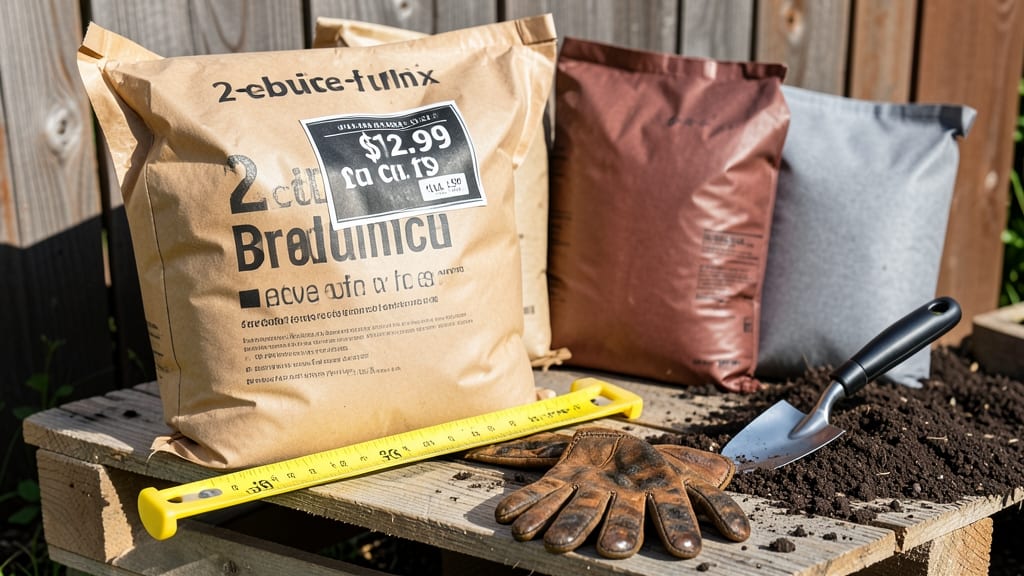
Garden soil pricing varies widely depending on type and quantity, with standard topsoil costing $2 to $6 per 2-cubic-foot bag, premium blends like compost-enriched mixes ranging from $8 to $15 per bag, and bulk deliveries (1 cubic yard) averaging $30 to $80. Organic or specialty soils can add 20-50% more to the base price.
Understanding garden soil pricing helps you budget for projects without overspending. 💛 The biggest cost jump comes from organic matter—compost or peat-based mixes cost more because of their nutrient density and labor-intensive processing.
Regional differences also play a role: urban areas often charge premiums due to delivery fees, while rural suppliers may offer bulk discounts. For example, a 10-cubic-foot bag of basic topsoil might cost $10-$15, but a 40-pound bag of premium potting mix could reach $12-$20 depending on brand and additives.
If you're working on a large garden bed, buying in bulk saves significantly. A 1-cubic-yard delivery (about 27 2-cubic-foot bags) typically costs $30-$60 for standard soil, while specialty blends can exceed $100.
Pro tip: Check local compost facilities—they often sell nutrient-rich soil blends at 30-50% off retail prices, making them ideal for organic gardeners.
💡 In This Article
- Factors Affecting Garden Soil Pricing
- Best Ways to Buy Garden Soil for Budget-Friendly Gardening
Factors affecting garden soil pricing
The core cost driver in garden soil pricing is its composition—specifically the ratio of organic matter to mineral content. Standard topsoil contains about 10-20% organic material (like decomposed leaves or compost) mixed with minerals, which keeps prices low at $2-$6 per 2-cubic-foot bag.
In contrast, premium blends with 30-50% organic matter—such as compost-enriched mixes or coconut coir-based potting soils—can cost $8-$15 per bag because organic components require labor-intensive processing and often specialized sourcing.
Regional supply chains create another pricing layer. Urban areas typically charge 20-40% more due to higher transportation costs and limited local sources, while rural suppliers near quarries or compost facilities can offer 10-30% discounts on bulk orders.
For example, a 1-cubic-yard delivery of standard soil might cost $50 in a city but only $35 in a farming community where local suppliers dominate.
Soil type also matters—clay-heavy soils (common in Midwest regions) are cheaper to produce than loamy blends (popular in East Coast gardens), which require precise mineral balancing.
Bag size and packaging add hidden costs too. A 2-cubic-foot bag (about 40 pounds) is the most common size, but larger 4-cubic-foot bags (used for heavy-duty gardening) can cost $12-$20—not double the price, but 30-50% more due to heavier materials and labor.
Bulk pricing models kick in at 1 cubic yard (27 bags), where the per-unit cost drops by 40-60% compared to retail bags.
This is why professional landscapers prefer bulk deliveries: a 10-cubic-yard load (enough for a 500-square-foot garden) might cost $150-$300, saving $500+ compared to buying individual bags.
Organic certification adds another premium layer. USDA-certified organic soils contain no synthetic fertilizers or pesticides, and their production involves strict testing protocols, which can inflate prices by 30-50%.
For instance, a 2-cubic-foot bag of organic potting mix might cost $10-$15, while a conventional blend would be $6-$8. The trade-off? Organic soils improve plant health long-term by fostering beneficial microbial activity—something synthetic soils lack.
If you're growing vegetables or sensitive plants, the extra cost can pay off in 20-30% higher yields over time.
Seasonal availability also impacts pricing. Spring and summer see 20-30% price hikes as demand spikes for planting seasons, while fall and winter often offer 10-20% discounts on bulk orders. Suppliers stockpile soil in off-seasons, passing savings to customers.
For example, a 1-cubic-yard delivery might drop from $60 in May to $48 in November. Timing your purchase can save $100+ on large projects.
One often-overlooked factor is moisture content. Freshly quarried topsoil can contain 15-25% water, which adds weight and bulk—meaning you’re paying for water, not soil. Premium mixes are pre-moistened for convenience, adding $1-$3 per bag to the cost.
If you’re on a tight budget, opt for "dry" topsoil and mix in water yourself to save 10-15% per cubic yard.
Finally, local regulations can skew pricing. Some areas ban peat-based soils (due to environmental concerns), forcing suppliers to use coconut coir or compost, which costs $2-$4 more per bag.
Always check if your region has soil restrictions before buying—it could explain unexpected price jumps at your local nursery. 🌱