Fertilization
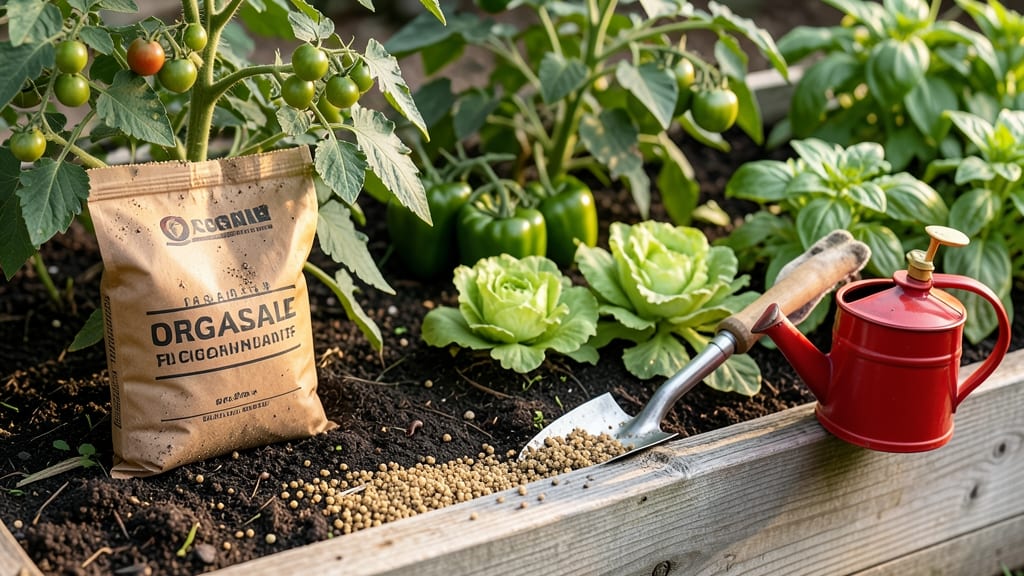
To fertilize your garden properly means feeding plants every 4 to 6 weeks during their active growing season—spring through early fall—but timing and type matter just as much as frequency.
Skipping the schedule or overdoing it can leave your 🌱 General Garden Plants stunted, burned, or even dead. The key isn’t just how often you fertilize but when and what you use for each plant type—vegetables, flowers, or trees all have different needs.
In this guide, I’ll break down the best fertilization calendar by season, plant type, and soil health, plus how to spot the telltale signs of over- or under-fertilizing before it’s too late.
You’ll leave here with a clear plan—no guesswork, no wasted fertilizer—and a checklist to keep your garden thriving all season long.

Fertilizing frequency by plant type: vegetables, flowers, and trees explained
Understanding how often to fertilize your garden isn't one-size-fits-all—vegetables, flowers, and trees each have unique needs. Annuals like tomatoes crave frequent feeding, while perennial flowers prefer slow, steady nutrition.
Even woody plants like fruit trees need different timing to avoid stress. Let's break down the perfect schedule for each type to keep your garden thriving without overdoing it.
Most gardeners make the mistake of fertilizing too much or too little. Vegetables need frequent feeding every 2-4 weeks during their growing season, while trees and shrubs often only need 1-2 applications per year.
The key is matching the fertilizer type—organic vs. synthetic—to your plant's growth habits and soil health.
Organic fertilizers like compost or worm castings release nutrients slowly, making them ideal for perennials and trees. Synthetic fertilizers dissolve quickly, perfect for fast-growing vegetables that need an immediate boost. Always check your soil's pH first—most plants prefer 6.0-7.0, but some, like blueberries, need acidic soil (4.5-5.5).
Here’s a quick reference to get you started:
For vegetables like tomatoes and peppers, I recommend a balanced fertilizer (10-10-10) every 2-3 weeks once they start fruiting. Leafy greens, however, prefer a higher nitrogen feed early on to encourage lush foliage. Always water deeply after fertilizing to prevent root burn—a common mistake that stunts growth.
Perennial flowers, such as roses and daylilies, benefit from slow-release organic fertilizers like bone meal or fish emulsion. These plants store nutrients in their roots, so 1-2 feedings per season in early spring and mid-summer are ideal. Over-fertilizing can lead to excessive foliage at the expense of blooms, so moderation is key.
When it comes to trees and shrubs, less is more. Young trees need annual feeding in early spring with a balanced fertilizer, while mature trees often only require feeding every 2-3 years. Evergreens like azaleas thrive on acid-loving fertilizer applied in early spring.
Always scratch the fertilizer into the soil around the drip line (the edge of the tree's canopy) to avoid damaging the trunk.
Seasonal adjustments are crucial. In spring, focus on root development with a nitrogen-rich feed.
By summer, shift to a phosphorus-heavy fertilizer to support flowering and fruiting. Fall fertilization should be light or skipped entirely to encourage root hardening before winter. Winter is always a rest period for most plants, so hold off until early spring.
Pro tip: Test your soil every 2-3 years to check nutrient levels and pH. A simple home soil test kit (around $20) can save you from guessing.
If your soil is already rich in organic matter, you might not need synthetic fertilizers at all—compost and mulch can often do the job just as well.
Remember, the goal is healthy growth,
Seasonal fertilization schedule: when to feed for maximum growth
Timing your garden's fertilization is like hitting the growth reset button—too early or late, and you waste nutrients. The key is aligning feeds with your plants' natural cycles.
In spring, focus on kickstarting growth, while summer demands lighter, frequent boosts. Fall and winter? Most plants take a break, but evergreens and winter crops have different needs.
Your climate zone also plays a huge role. In warmer zones (like USDA 8-10), you might fertilize year-round, while cooler zones (USDA 4-6) pause in winter.
Always check for soil nutrient signs: yellow leaves? Nitrogen deficiency. Brown tips? Over-fertilization. Let's break down the perfect schedule month by month.
🌱 Action: Apply balanced fertilizer (10-10-10) at planting time and again in 6 weeks.
💡 Why: Replenishes nutrients lost over winter and fuels new growth.
🌿 Action: Switch to high-phosphorus (5-10-5) for blooming plants or high-nitrogen (10-5-5) for veggies.
💡 Why: Supports flowering/fruiting without burning tender new leaves.
☀️ Action: Feed every 4-6 weeks with slow-release fertilizer or liquid feed.
💡 Why: Maintains growth during peak heat without overloading roots.
🍂 Action: Stop fertilizing 6 weeks before frost for perennials/woody plants.
💡 Why: Lets plants harden off naturally for winter.
❄️ Action: Skip for dormants; feed evergreens lightly in mild climates.
💡 Why: Prevents root burn and promotes spring readiness.
Pro tip: Soil test every 2-3 years—especially if you notice stunted growth or unusual leaf colors. Adjust your schedule based on results. For example, sandy soils drain nutrients faster, so feed more frequently, while clay soils may need less frequent but heavier applications.
Don't forget: Organic fertilizers (like compost or manure) release nutrients slowly, so you'll need to apply them more often than synthetic granules. And always water deeply after feeding to prevent root burn. Your plants will thank you with vibrant blooms and bountiful harvests all season long! 🌻