How To
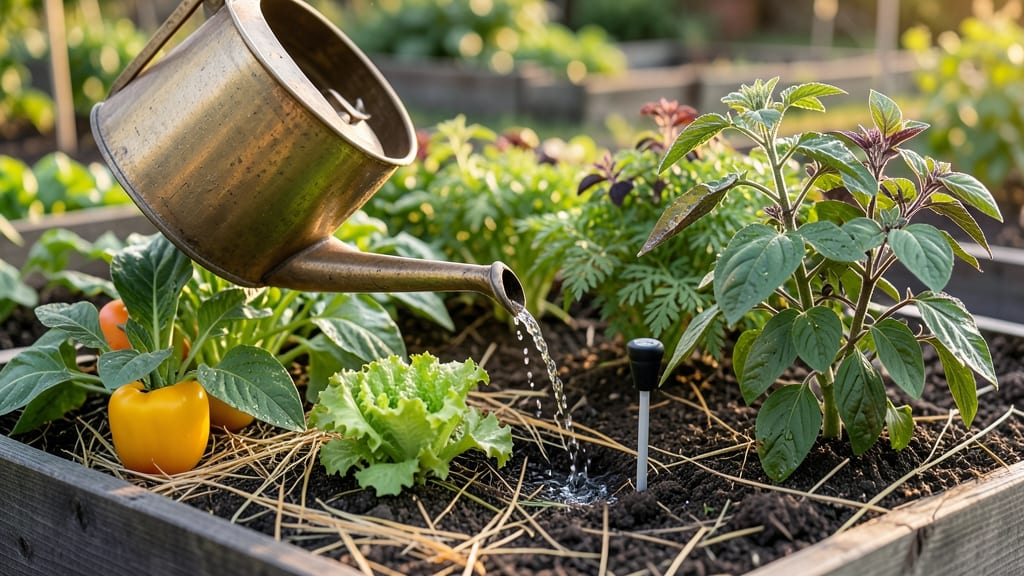
Watering your vegetable garden the right way means knowing how often to water without drowning or dehydrating your plants — and the answer isn’t as simple as "every other day."
Overwatering or underwatering your 🥬 can mean the difference between a thriving harvest and wilted disappointment — yet most gardeners guess rather than measure. The secret to perfect hydration lies in simple soil-moisture tests that reveal exactly when your plants need water, not when you think they do.
Soil type, plant stage, and weather all change the game. A deep soak in the morning might work for tomatoes in summer, but lettuce in spring needs a gentler touch.
Below, I’ll walk you through the exact methods to check soil moisture, adjust for your climate, and avoid the most common watering mistakes that kill gardens.
Ready to stop guessing and start growing? You’ll learn how to test soil moisture in 30 seconds, when to water by plant type, and how to spot the warning signs of over- or under-watering before it’s too late.
5 Soil-moisture tests to determine when vegetables need watering
Watering your vegetable garden isn't about following a rigid schedule—it's about understanding your soil's moisture levels and your plants' specific needs. Leafy greens like lettuce need consistent dampness, while root crops such as carrots prefer slightly drier conditions.
The key is testing soil moisture at the right depth and frequency to avoid both underwatering and overwatering.
Most gardeners make the mistake of watering based on time of day or guesswork, but soil moisture varies by plant type, weather, and even container size. For example, tomatoes in pots dry out faster than in-ground peppers.
By mastering these five simple tests, you'll water with precision and save time—no more soggy soil or wilted plants.
The finger test is my go-to method for leafy greens like spinach or kale. Simply insert your index finger into the soil about 1-2 inches deep. If it feels dry at the first knuckle, it's time to water.
For herbs such as basil, aim for soil that's consistently moist but never waterlogged—soggy soil leads to root rot.
For root vegetables like carrots or beets, the screwdriver check works wonders. Twist a screwdriver into the soil 2-3 inches deep. If it resists slightly, your soil has the right moisture. This method is perfect for drought-tolerant plants like peppers, which hate soggy roots but need steady hydration.
If you're growing deep-rooted vegetables such as squash or tomatoes, dig a small hole with a trowel 3-6 inches deep. The soil should feel uniformly moist throughout. This test helps prevent uneven watering, which can cause blossom-end rot in tomatoes or cracked roots in potatoes.
A moisture meter takes the guesswork out of watering entirely. These digital tools measure moisture at various depths and give you a precise reading. For container gardens, I recommend checking the meter every 2-3 days, as pots dry out much faster than in-ground beds.
Aim for 30-70% moisture, adjusting based on your specific plants.
Finally, don't overlook visual cues like wilting leaves or dry soil crust. Morning wilting often means your plants need water, but afternoon wilting could signal heat stress or pests. For fruiting plants like cucumbers, watch for dry soil at the surface—this is your
Watering frequency by vegetable type: a seasonal schedule
Every vegetable has unique hydration needs that change as it grows—seedlings crave frequent misting, while mature plants thrive with deep, infrequent watering. Climate zones add another layer: Zone 9 gardens may need daily watering in summer, while Zone 5 plants can survive on weekly soakings.
Even the container type matters—5-gallon pots dry out faster than in-ground beds, demanding daily checks in hot weather.
To simplify, I’ve broken down watering schedules by growth stage (seedling, flowering, fruiting) and plant type, with adjustments for containers. For example, lettuce wilts in 2 hours without water, while carrots resent soggy soil.
Below, find your plant’s ideal rhythm—adjust based on rainfall and soil type (sandy soils dry faster than clay).