
Size
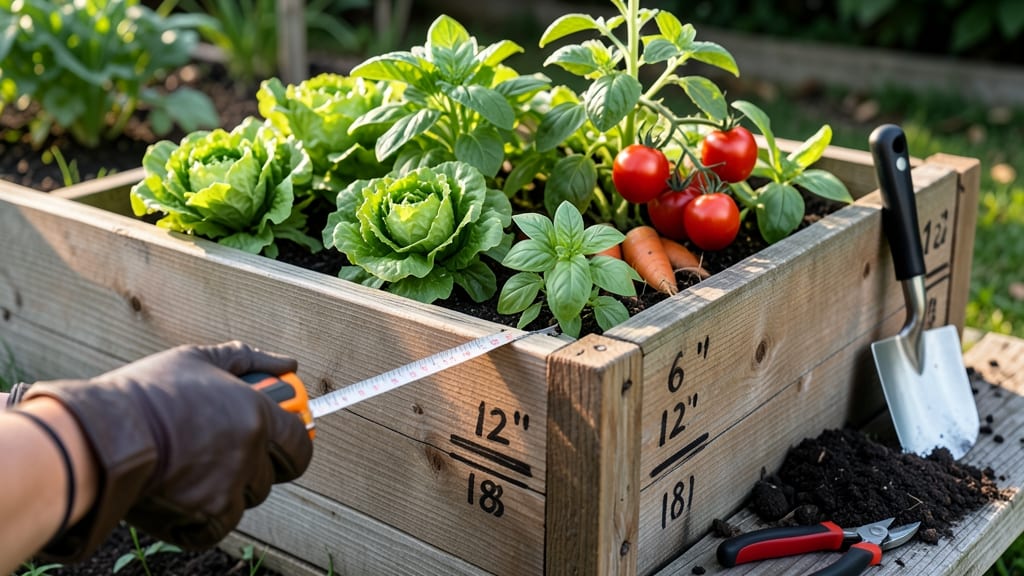
To determine how tall your raised garden should be, aim for 6 to 12 inches for most vegetables and herbs, while deeper beds (12 to 18 inches) work best for root crops like carrots and potatoes. Consider accessibility needs too—taller beds (18+ inches) make gardening easier for wheelchair users or those who dislike bending.
Your garden's height directly impacts plant growth and your comfort. 🌱 Shallow beds (6-12 inches) work perfectly for leafy greens and herbs, giving roots enough space without wasting materials. For root vegetables like beets or potatoes, deeper beds (12-18 inches) prevent crowding and encourage stronger harvests.
I've found that taller beds also improve drainage and reduce soil compaction, which is especially helpful in heavy clay soils. Plus, the right height can transform gardening from a chore to a pleasure—no more straining your back!
Accessibility is another key factor. If you're designing for wheelchair users or plan to garden standing up, 18-inch beds create the ideal working height. For standard gardening, 10-12 inches offers a great balance between plant needs and ease of maintenance.
Just remember: wider beds (3-4 feet) reduce the need for excessive height, as they allow you to reach the center without overstretching. The materials you choose—like cedar, composite lumber, or galvanized metal—also affect how tall you can build without compromising stability.
💡 In This Article
- Root Depth Requirements for Different Plants
- Best Raised Garden Height for Accessibility and Soil Health
Root depth requirements for different plants
Root systems vary dramatically between plant types, which is why garden height matters so much. Leafy greens like lettuce, spinach, and kale have shallow roots that typically grow just 4-6 inches deep, making them perfect for 6-inch-tall beds.
Herbs such as basil, parsley, and chives also thrive in shallow soil, as their roots rarely exceed 6-12 inches. The key here is soil volume—shallow beds provide enough space for these plants to access nutrients and water efficiently without becoming waterlogged.
On the other end of the spectrum, root vegetables like carrots, parsnips, and potatoes demand deeper soil to accommodate their long taproots. Carrots, for example, can grow roots 12-18 inches long, while potatoes need 10-12 inches of loose, well-draining soil to form properly sized tubers.
Taller beds also prevent root distortion—a common issue in shallow containers where roots grow in circles or split. The extra depth allows roots to spread naturally, reducing the risk of forking or stunted growth. 🌱
Drainage and aeration become critical factors as bed height increases. Deeper beds (12-18 inches) improve water drainage, which is especially important for clay-heavy soils where water can pool and suffocate roots.
The additional soil volume also supports beneficial microbial activity, as deeper layers provide more space for earthworms and fungi to thrive. These organisms break down organic matter, releasing nutrients that plants can absorb more efficiently.
For instance, tomatoes—with their extensive root systems—benefit from 12-inch beds to support their growth and fruit production.
Consider the plant's mature size too. Bush beans and radishes, which have relatively shallow roots, can handle 6-8 inches of soil, but larger plants like squash or cucumbers (which spread widely) need deeper beds to support their vines and extensive root systems.
The general rule is: the larger the plant's above-ground growth, the deeper its roots will likely go. This is why a 12-inch bed becomes the sweet spot for many vegetables—it accommodates most common garden crops while remaining manageable for maintenance.
One final consideration is soil fertility. Deeper beds allow you to layer compost and organic matter throughout the soil profile, ensuring nutrients are available at all root depths.
For example, placing compost in the bottom 6 inches of a 12-inch bed provides a nutrient-rich zone for deep-rooted plants, while the top layers can be amended with lighter materials like peat moss or coconut coir for better moisture retention.
This stratification mimics natural soil layers and creates an optimal growing environment.