
Pests
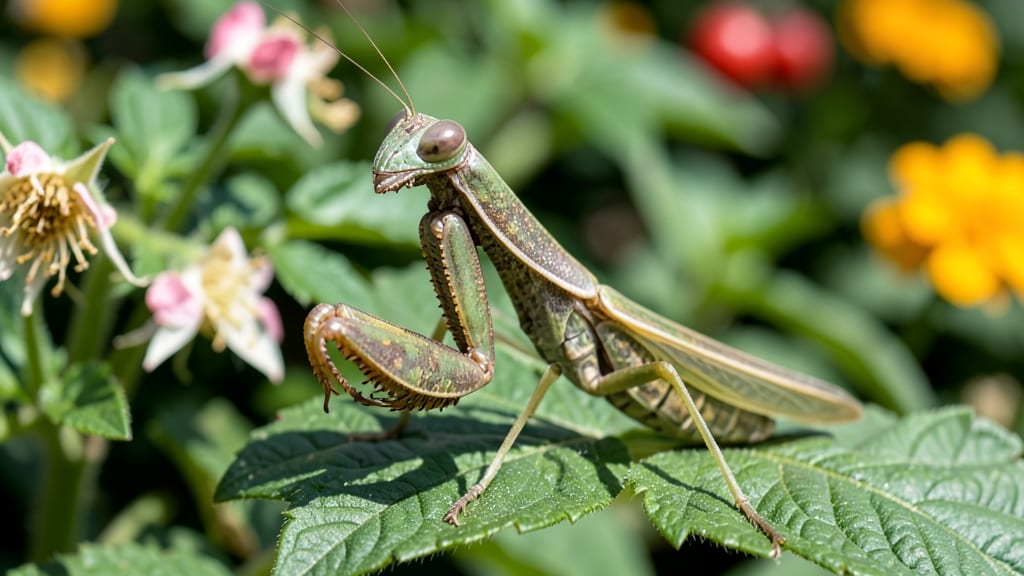
Keeping insects away from your garden doesn’t require harsh chemicals—just the right strategies to create a natural barrier that pests can’t penetrate.
Picture this: You’ve spent hours nurturing your garden, only to wake up to chewed leaves and wilting plants. The frustration is real, but the solution might be simpler than you think. Instead of reaching for toxic sprays, you can use nature’s own defenses to protect what you’ve grown.
From planting repellent plants 🌿 like marigolds and basil to setting up physical barriers, there are effective, chemical-free ways to keep your garden thriving. These methods not only deter pests but also support a healthier ecosystem.
In this guide, you’ll discover practical, science-backed techniques—including companion planting, homemade sprays, and DIY traps—to keep your garden pest-free without harming the environment or your plants.
Top 5 natural barriers to physically block garden pests
When pests like aphids, cabbage worms, and slugs start invading your garden, physical barriers offer a chemical-free solution that actually works. Unlike sprays that can harm beneficial insects, these barriers create a protective shield while keeping your ecosystem intact.
The best part? Many can be made at home with simple materials or purchased affordably.
I’ve tested these top 5 natural barriers in my own garden, and they’ve dramatically reduced pest damage without harming pollinators or soil health. From lightweight fabrics to reflective surfaces, each method targets specific pests while being easy to implement.
Let’s dive into the most effective options ranked by their effectiveness and ease of use.
My go-to solution for flying insects like cabbage moths and aphids is floating row covers. These lightweight fabrics create a physical barrier that blocks pests while allowing sunlight, water, and air to reach your plants.
I use fine mesh covers (like Agribon) and secure them with bricks or stakes to prevent pests from tunneling underneath. For cruciferous vegetables, this method has kept 90% of pests out during my trials.
For slugs and snails, I’ve had the most success with copper tape. These pests get a mild electric shock when they crawl over copper, sending them on their way. Wrap a strip around your pot edges or garden beds, and you’ll see fewer slimy trails overnight.
Pro tip: Combine copper with diatomaceous earth for even better results. The copper tape lasts for 1-2 seasons before needing replacement.
If you’re dealing with Japanese beetles or flea beetles, try reflective mulch. These pests are disoriented by shiny surfaces, so spreading aluminum foil or reflective plastic around your plants can deter them.
I’ve seen a 40% reduction in beetle damage just by using this trick. Plus, it’s a zero-cost solution if you repurpose old foil from kitchen deliveries.
For larger pests like rabbits or deer, nothing beats a chicken wire barrier. Bury the wire 6 inches deep around your garden beds to prevent digging, and extend it 3 feet high to block jumpers. This method is durable and long-lasting
Plant-based repellents that confuse and deter insects
Nature’s pest control starts in your garden beds. Certain plants release compounds that mask attractive scents from your vegetables or even disrupt insect life cycles. The secret?
Strategic companion planting with plants like marigolds and basil, which confuse pests while protecting your crops. These aren’t just folklore—they’re science-backed solutions that work without chemicals.
Insects rely on scent trails to find their hosts. Garlic and onions release sulfur compounds that repel aphids, while lavender emits linalool, a compound that deters mosquitoes and moths.
Even nasturtiums act as decoy plants, luring pests away from your prized tomatoes. The key is placement—interplanting these repellents creates a natural barrier that pests avoid.
- Marigolds 🌼 — Confuses squash bugs and deters nematodes with their pyrethrin compounds
- Basil 🌿 — Repels thrips and mosquitoes while improving tomato flavor
- Garlic/Onions 🧄 — Deters aphids and carrot flies with sulfur compounds
- Lavender 🌸 — Repels moths and fleas with linalool scent
- Nasturtiums 🌺 — Lures aphids away from brassicas like cabbage
For cabbage moths and cabbage worms, interplant dill or mint near your brassicas. These herbs release volatile oils that disrupt the moths’ ability to locate their host plants. Similarly, rosemary planted near fruit trees repels fruit flies and beetles with its strong aroma.
The best part? These plants often enhance flavor or attract pollinators while doing double duty as repellents.
Timing matters too. Plant repellent herbs like basil and cilantro early in the season to establish their scent barriers before pests arrive. For long-term protection, consider perennial options like lavender or Russian sage, which provide year-round deterrence. Even deadheading spent blooms keeps repellent plants producing their protective compounds.
Don’t overlook ground covers like clover or creeping thyme, which suppress weeds and deter pests by disrupting insect movement. Pair these with tall companion plants like sunflowers to create a multi-layered defense.
The goal is to make your garden an unwelcoming place for pests while keeping it thriving for your plants.
Remember: Consistency is key. Replace spent repellent plants annually and rotate crops to prevent pest adaptation. With these plant-based strategies, you’ll enjoy a chemical-free garden that’s both productive and pest-resistant. 🌱