
Tools
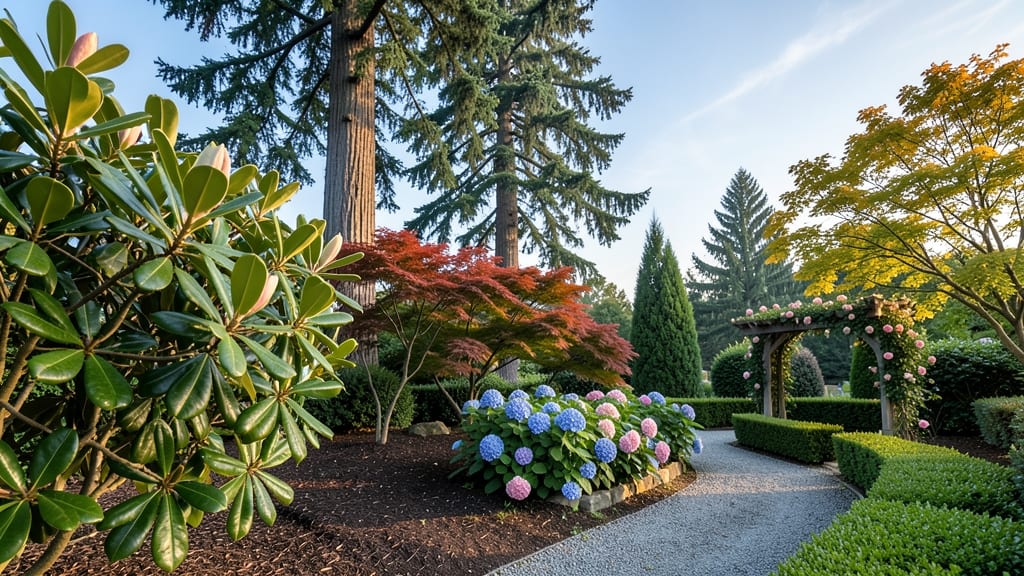
The largest botanical garden in the US is the New York Botanical Garden (NYBG) in the Bronx, spanning 250 acres with over 1 million living plants across 50 specialized gardens, including rare orchids, carnivorous plants, and historic conservatories. It also features extensive research collections and seasonal events.
The New York Botanical Garden isn't just the biggest—it's a living laboratory where science meets beauty. 🌿 With its sprawling landscapes and 50 distinct garden areas, NYBG serves as a global resource for plant conservation, hosting over 25,000 types of plants, including endangered species.
The garden's research arm collaborates with institutions worldwide to study climate resilience in flora, making it a vital hub for botanical science beyond its stunning public displays.
What truly sets NYBG apart is its blend of education and recreation. The Enid A. Haupt Conservatory alone houses 5,000 tropical plants, while the Thain Family Forest offers a serene escape with native woodland species.
Visitors can explore everything from desert cacti to aquatic plants, all while supporting ongoing conservation efforts that protect plant biodiversity worldwide.
💡 In This Article
- Exploring the New York Botanical Garden’s Unique Ecosystems
- Planning Your Visit: Hours, Tickets, and Seasonal Highlights
Exploring the new york botanical garden’s unique ecosystems
The New York Botanical Garden's 250-acre expanse is carefully designed to mimic global ecosystems while supporting scientific research. The Enid A. Haupt Conservatory, a 50,000-square-foot glasshouse, recreates tropical climates with 5,000+ plant species from rainforests worldwide.
Inside, humidity levels hover around 70-80%, creating a lush, steamy environment where orchids like the Cattleya labiata thrive in temperatures between 65-80°F. This controlled environment allows researchers to study plant physiology and develop climate-resilient varieties.
Beyond the conservatory, the Thain Family Forest showcases native North American woodlands with 100+ tree species, including rare sugar maples and black cherry trees. The forest's 12-acre area serves as a living classroom for studying forest ecology and invasive species management.
Meanwhile, the Desert Garden features 1,500+ cacti and succulents adapted to survive with minimal water—some species store 90% of their weight in water during rainy seasons, then enter dormancy for years. 🌵 These adaptations inspire water-conservation research critical for arid regions.
The garden's conservation programs focus on endangered species like the Franklin Tree, discovered in 1998 with only two known specimens. NYBG's research team successfully propagated this species, now grown in 12 countries, demonstrating how botanical gardens bridge science and preservation.
The Institute of Systematic Botany maintains 7 million preserved plant specimens, including type specimens that define plant taxonomy worldwide.
Seasonal transformations highlight the garden's biodiversity. During spring, the Peony Garden bursts with 700+ blooms, while fall's Japanese Hill-and-Pond Garden displays fiery maple and ginkgo foliage. These cycles support pollinator research, with 20+ bee species documented in the Pollinator Paradise Garden.
The garden's 100+ research projects annually address everything from medicinal plant chemistry to urban greening solutions.
What makes NYBG's ecosystems unique is their dual role as both public display and scientific resource. The Lily Pool, for example, doubles as a research site for aquatic plant genetics while serving as a tranquil visitor spot.
This integration ensures that every path through the gardens contributes to global conservation efforts. 🌿 For plant enthusiasts, this means every visit supports real-world botanical science.
Consider these key research areas that benefit from public access:
- Climate Adaptation: Studying plants that thrive in extreme temperatures (±100°F ranges)
- Medicinal Plants: Screening 15,000+ species for potential pharmaceutical compounds
- Urban Ecology: Developing green infrastructure solutions for cities