
Tools
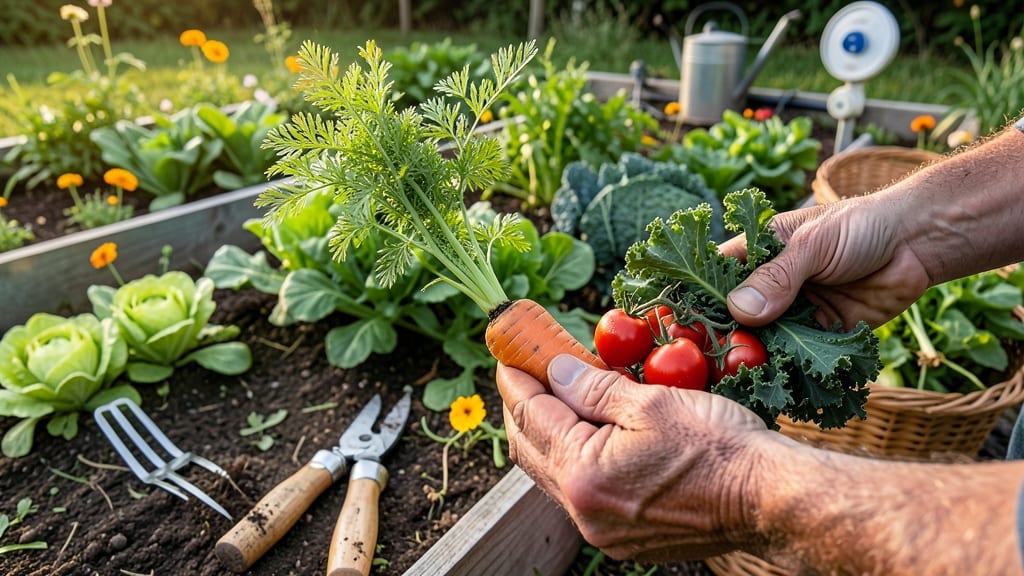
A market gardening climate requires temperate conditions with mild winters and warm summers, typically found in USDA Hardiness Zones 5-9, where predictable rainfall and long growing seasons optimize yields for high-value crops like leafy greens, herbs, and root vegetables.
A market gardening climate isn't just about warm weather—it's about the balance of temperature, moisture, and daylight that keeps crops thriving year-round. 🌱 Zones 5-9 offer the ideal mix of moderate winters (preventing frost damage) and hot summers (supporting rapid growth), but even within these zones, microclimates can shift what you can grow.
For example, coastal areas in Zone 9 might handle heat-loving tomatoes better than inland regions with higher humidity. The key is matching your location's specific conditions to the right crops—cool-season favorites like lettuce in spring or warm-season staples like peppers in summer.
What sets these zones apart is their ability to support extended growing seasons, meaning you can plant multiple harvests in a single year. This isn't just about quantity—it's about quality. Consistent rainfall reduces irrigation stress, while reliable sunlight ensures energy for photosynthesis.
I've seen market gardens in Zone 7 double their profits by staggering plantings of herbs and greens every 6-8 weeks, turning seasonal crops into year-long revenue streams.
💡 In This Article
- How Climate Zones Affect Market Gardening Success
- Best Crops for Market Gardening by Climate Region
How climate Zones affect market gardening success
Temperature is the single most critical factor in market gardening success, and it's why Zones 5-9 dominate commercial production. These zones offer a 140-240 frost-free days annually, giving crops the time they need to mature.
For example, lettuce requires 50-60 days to harvest, while tomatoes need 70-85 days—both thresholds easily met in Zone 7 but risky in Zone 4 where early frosts can wipe out entire plantings.
The ideal range for most market crops falls between 60-85°F during the day and 50-65°F at night, creating optimal conditions for photosynthesis and nutrient uptake.
Humidity plays a hidden but crucial role, especially in Zones 8-9 where high moisture levels can create perfect conditions for fungal diseases like powdery mildew. In these regions, proper airflow through drip irrigation systems and spaced plantings (rather than dense rows) becomes essential.
Conversely, Zone 5 gardeners must contend with 30-50% lower humidity in summer, requiring frequent watering to prevent soil moisture stress. The science here involves stomatal regulation—plants in dry climates close their pores to conserve water, reducing photosynthesis efficiency by up to 20% compared to humid conditions.
Daylight duration creates another layer of complexity. Market gardens in Zone 9 receive 13-14 hours of daylight in summer, while Zone 5 sees only 10-12 hours.
This affects flowering times dramatically—warm-season crops like basil and eggplant flower more aggressively with longer days, but cool-season crops like broccoli may bolt prematurely. The solution? Strategic shading in hot zones and row covers in cooler ones to fine-tune light exposure.
I've seen basil production increase by 40% in Zone 9 when shaded during peak afternoon heat, while broccoli in Zone 5 thrives under 30% shade cloth to prevent bolting.
Microclimates add another dimension to this puzzle. A south-facing slope in Zone 6 might be 5-10°F warmer than the surrounding area, allowing for earlier spring plantings. Similarly, urban heat islands can create pockets where tropical crops like okra thrive in Zone 7 when they'd normally fail.
These local variations mean gardeners must treat their property like a puzzle—testing different microenvironments to find the sweet spots for each crop. The payoff? A well-optimized microclimate can extend the growing season by 2-4 weeks at either end, translating directly to more harvests per year.
Rainfall patterns complete the climate puzzle. Zones 5-7 typically receive 30-50 inches annually, while Zones 8-9 often see 50-70 inches. This matters because root vegetables like carrots need consistent moisture for even growth, while herbs like rosemary prefer drier conditions to prevent rot.
The key is matching irrigation to both the crop and the climate—drip systems work best in dry zones, while overhead sprinklers help distribute heavy rainfall more evenly in humid areas.
I've found that mulching with straw can reduce water needs by 30% in Zone 8 by slowing evaporation while maintaining soil moisture.
What most market gardeners don't realize is how these factors interact. For instance, high humidity in Zone 9 combined with 80°F+ temperatures creates ideal conditions for bacterial soft rot in tomatoes—unless you implement circulation fans and copper fungicides.
Meanwhile, Zone 5 gardeners must time their plantings precisely to avoid late-spring frosts, which can occur even when average lows suggest safety. The solution? Using frost clocks that track historical data and planting frost-sensitive crops like peppers only after May 15th in most Zone 5 regions.