
Tools
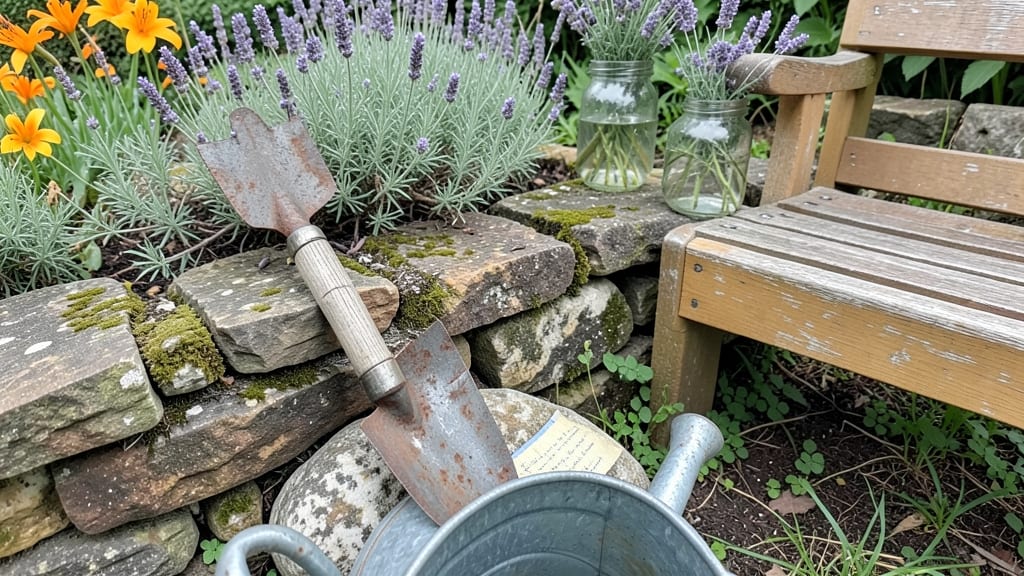
My mother kept a garden by meticulously documenting planting schedules, preserving heirloom seeds, and designing layouts that reflected her love for seasonal blooms. To recreate her garden today, gather her notes, sketch her design, and adapt plant selections to current climate conditions while sourcing heirloom varieties from trusted seed banks.
Honoring your mother's garden starts with capturing the details that made it special. 🌸 Many gardeners discover their mother's notes reveal not just what was planted, but why—perhaps she favored drought-resistant varieties or specific companion plants that thrived together.
I recommend creating a visual map of her garden beds using graph paper or digital tools, then cross-referencing it with modern planting guides to adjust for your local growing zone.
The key is balancing nostalgia with practicality: while you might want to replant her exact roses, you may need to substitute a hardier variety that performs better in today's climate.
Preserving the legacy goes beyond plants—it's about the stories behind them. 📖 Start a family gardening journal where you document not just what you plant, but the memories tied to each variety. For heirloom seeds, look for certified organic sources or join seed-saving communities where gardeners exchange rare varieties.
Many botanical gardens also maintain archives of historical plant collections that can help you recreate specific cultivars your mother loved.
💡 In This Article
- How to Recreate Your Mother’s Garden Layout and Plant Choices
- Preserving Family Gardening Traditions Through Seed Saving and Documentation
How to recreate your mother’s garden layout and plant choices
Start by gathering all physical and digital records of your mother’s garden—planting journals, seed packets, or even photographs.
Many gardeners keep handwritten notes with details like planting dates, sunlight exposure, and soil amendments. 🌿 For example, I’ve seen old garden diaries with sketches showing which flowers bloomed in which months, or which vegetables thrived in specific beds.
Use graph paper to recreate her layout, marking dimensions and plant placements. If her garden had distinct sections (like a cutting garden or herb spiral), note those too—they often reflect her gardening philosophy.
The next step is identifying heirloom plants. Heirlooms are typically open-pollinated varieties passed down through generations, often with unique characteristics like disease resistance or flavor. 🌱 To find these, search seed catalogs from historical companies or specialty seed banks that preserve rare varieties.
For instance, if your mother grew ‘Blush Pink’ roses, you might find them through the American Rose Society’s archives or seed-saving groups like Seed Savers Exchange. When sourcing, check for certified organic labels to ensure the plants haven’t been treated with chemicals that could affect future seed viability.
Adapting to modern conditions is crucial. Compare your mother’s original planting notes with today’s USDA Hardiness Zone Map—climate shifts may require swapping out delicate varieties for hardier ones.
For example, if she grew tender geraniums in Zone 7 but you’re now in Zone 6, consider replacing them with cranesbill geraniums, which tolerate cooler temperatures. 🌡️ Use a soil test kit to check pH and nutrient levels, adjusting amendments like compost or lime to match her garden’s original conditions.
Many heirloom seeds thrive in slightly acidic soil (pH 6.0-6.8), so this step ensures your plants grow as she intended.
Seasonal adjustments are another key factor. Your mother’s notes might specify planting times based on her local frost dates, which may no longer apply. 📅 Check the National Oceanic and Atmospheric Administration (NOAA) for updated frost data in your area, then adjust planting windows accordingly.
For instance, if she planted tomatoes after Memorial Day, but your last frost is now two weeks earlier, you might start them indoors 4-6 weeks earlier to match her schedule. This balance between tradition and adaptability keeps her garden’s spirit alive while ensuring success.
Finally, consider the sensory elements she cherished—fragrance, texture, or color combinations. 🌸 If her garden was famous for its evening-scented stocks or velvety lamb’s ear plants, prioritize those varieties. Look for descriptions in seed packets like “strong fragrance” or “silvery foliage” to recreate her aesthetic.
For example, ‘Moonlight’ yarrow not only has silvery foliage but attracts pollinators, just as she might have described. These details transform a simple replanting into a living tribute to her gardening legacy.