
Neem Oil
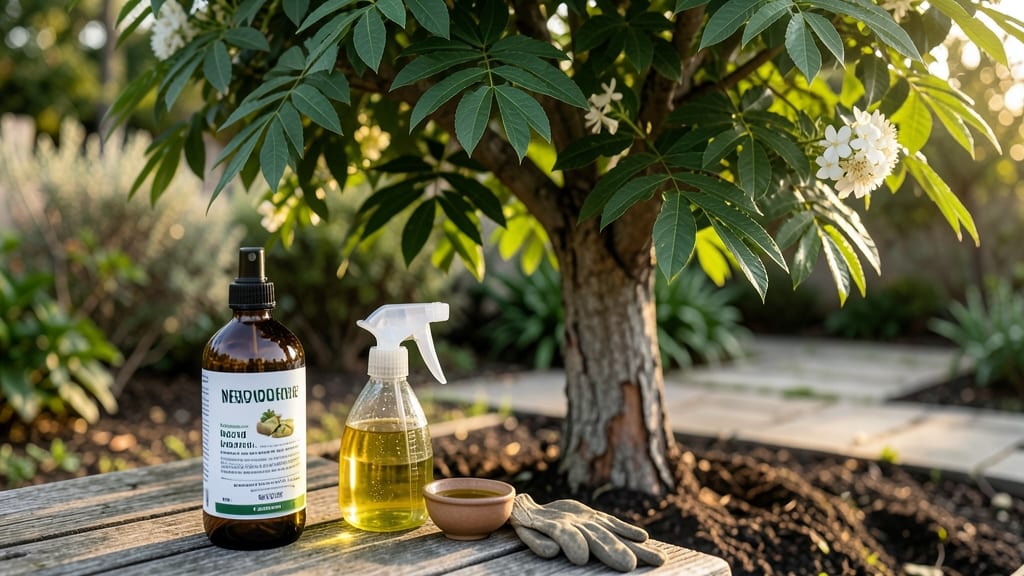
Neem oil in organic gardening serves as a versatile natural solution for pest control and soil health, harnessing compounds from the Azadirachta indica tree. This powerhouse oil disrupts insect life cycles, fights fungal diseases, and improves soil structure when applied properly as a foliar spray or soil treatment—making it a cornerstone of chemical-free gardening.
Neem oil's magic lies in its active compounds like azadirachtin, which confuses insects and stops them from feeding or reproducing. 🌱 Unlike harsh chemicals, it breaks down quickly in the environment, leaving no toxic residue while still protecting your plants from aphids, whiteflies, and fungal spores.
I've seen it transform struggling gardens into thriving ecosystems—just be sure to apply it when bees aren't active and always dilute it properly to avoid plant damage.
For soil health, mixing neem oil with compost creates a nutrient-rich amendment that repels nematodes while feeding beneficial microbes. The key is consistency—regular applications prevent problems before they start.
What's fascinating is how this single oil replaces an entire arsenal of synthetic products, all while being completely plant-safe when used correctly.
💡 In This Article
- How Neem Oil Works Against Pests and Fungi
- Step-by-Step Guide to Applying Neem Oil in Gardens
How neem oil works against pests and fungi
Neem oil's power comes from its rich blend of bioactive compounds, with azadirachtin being the star player. This limonoid disrupts insect physiology by interfering with their hormone systems, preventing them from molting or reproducing.
For example, when aphids ingest azadirachtin, their growth stops within 24-48 hours, making them unable to reproduce. The oil also contains salannin and nimbin, which act as feeding deterrents by altering the taste and smell of plant surfaces.
Against fungi, neem oil works by inhibiting spore germination and mycelial growth. The active compounds create an unfavorable environment for fungal pathogens like powdery mildew and black spot. Studies show a 50-70% reduction in fungal infections when applied preventatively.
Unlike synthetic fungicides that often require frequent reapplication, neem oil's residual effects can last 7-14 days depending on environmental conditions. The oil's fatty acids also help create a protective film on plant surfaces, physically blocking pathogen entry points.
What sets neem oil apart is its multi-faceted approach. While synthetic pesticides target specific pests through neurotoxicity, neem oil employs a behavioral and physiological disruption strategy. This means pests don't develop resistance as quickly, and beneficial insects like ladybugs and bees remain largely unaffected.
The oil's broad-spectrum activity makes it particularly valuable in organic systems where you want to avoid harming the entire ecosystem while still protecting your crops.
For soil applications, neem oil's limonoids help suppress nematode populations by disrupting their feeding and reproductive cycles. When mixed with compost, it creates an environment that encourages beneficial microbial activity while repelling harmful pathogens.
The oil's antimicrobial properties extend to bacterial infections too, making it a comprehensive solution for soil-borne diseases. What's remarkable is how this single natural product addresses multiple garden challenges simultaneously.
Temperature plays a crucial role in neem oil's effectiveness. The optimal application range is 60-85°F, as cooler temperatures can reduce its efficacy while higher temperatures may cause plant stress.
This is why early morning or late evening applications work best—the cooler conditions help the oil adhere better to plant surfaces. The oil's viscosity also allows it to cling to leaves longer, providing extended protection against reinfestation.
Consider these key mechanisms when comparing neem oil to synthetic alternatives:
- Insect control: Hormonal disruption vs. neurotoxic poisoning
- Fungal protection: Spore inhibition vs. chemical suffocation
- Environmental impact: Rapid biodegradation vs. persistent residues
- Spectrum of activity: Broad-spectrum natural vs. narrow-spectrum synthetic
The beauty of neem oil lies in its ability to work with nature rather than against it. By understanding these chemical mechanisms, you can use it more effectively in your organic garden system, knowing exactly how and why it's protecting your plants at a fundamental biological level. 🌿