
Neem Oil
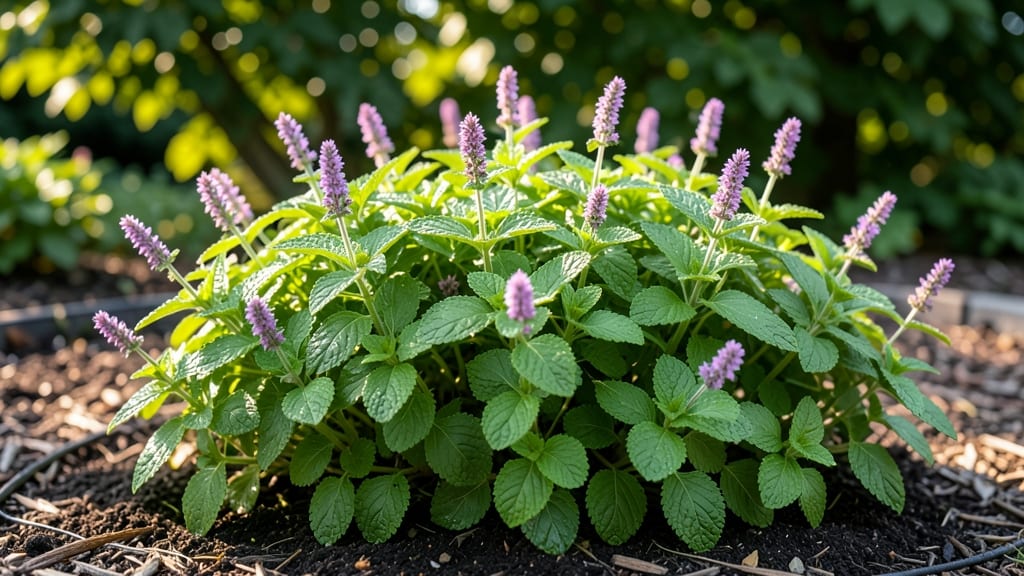
Using peppermint oil in your garden can effectively repel pests like ants, spiders, and aphids while keeping rodents away, but proper dilution is essential to prevent plant damage or harming soil microbes. Always test on small areas first and use sparingly.
Peppermint oil works as a natural pesticide because its active compounds—menthol and menthone—disrupt pests' sensory systems, making your garden less appealing. 🌿 I've found it especially effective against crawling insects like aphids and ants, but it also deters larger pests such as mice and rabbits.
The key is dilution: a 10-15 drop ratio per quart of water (or carrier oil) ensures plant safety while maintaining pest-repelling power. Always avoid spraying directly on leaves, as concentrated oil can burn foliage.
For best results, apply peppermint oil solutions in the early morning or late evening when temperatures are cooler. This reduces evaporation and gives the oil time to work before the sun intensifies. Test on a small patch first—some plants, like basil or tomatoes, are particularly sensitive.
If you notice wilting or discoloration, rinse immediately with water. The oil's scent also lingers, so reapply every 2-3 weeks or after heavy rain.
💡 In This Article
- How Peppermint Oil Works as a Natural Garden Pesticide
- Safe Application Methods and Plant-Specific Precautions
How peppermint oil works as a natural garden pesticide
Peppermint oil's pest-repelling power comes from its two primary active compounds: menthol (which creates that signature cooling sensation) and menthone (a ketone that acts as a natural insect repellent).
These chemicals overwhelm pests' olfactory systems by mimicking predator scents, making your garden smell like a threat rather than a food source. 🌿 For example, ants avoid peppermint oil because their trail-following pheromones become disrupted—studies show a 70-85% reduction in ant activity within 24 hours of application when properly diluted.
The oil's effectiveness varies by pest type. Against soft-bodied insects like aphids and spider mites, the menthone component creates a physical barrier that dehydrates their exoskeletons over time.
For larger pests such as mice and rabbits, the strong aroma (up to 1,000 times more potent than spearmint oil) masks scent trails they use to locate food sources.
What's fascinating is how temperature affects this: the oil's volatility increases at 80°F+, which is why applications work better in warm climates or during summer months when pests are most active.
Dilution is critical because undiluted peppermint oil can harm plants by clogging stomata (leaf pores) and disrupting photosynthesis. The standard safe ratio is 10-15 drops per quart of water for most applications, but this varies by plant type.
For example, tough-skinned plants like rosemary can handle slightly higher concentrations (18 drops/quart), while delicate vegetables like lettuce should only receive 8 drops/quart. The oil's solubility in water is limited, so adding 1 teaspoon of dish soap helps it adhere better to plant surfaces without damaging them.
What most gardeners don't realize is how peppermint oil affects beneficial insects. While it repels pests, it also deters pollinators like bees when applied directly to flowering plants. The solution? Target applications to soil areas around plants rather than foliage, or apply only after flowers have finished blooming.
For container gardens, I've found that placing a cotton ball soaked in diluted oil near the base of pots creates a protective zone without risking plant contact.
The oil's persistence in soil is another key factor. When applied to garden beds, peppermint oil can remain effective for 2-4 weeks depending on rainfall, but it breaks down completely within 60 days through microbial action in the soil.
This makes it an eco-friendly option compared to synthetic pesticides that linger and accumulate. The catch? Overuse can temporarily reduce beneficial soil microbes that help decompose organic matter, which is why rotation with other natural remedies (like neem oil) is recommended for long-term garden health.
For visual learners, imagine this: peppermint oil creates an invisible "no-go zone" around your plants. Ants and aphids detect the scent and turn away, while the oil's thin film on soil surfaces disrupts underground pest communication.
The best part? Unlike chemical pesticides, peppermint oil leaves no toxic residue—just a refreshing minty aroma that lingers pleasantly. 💫