
Landscaping
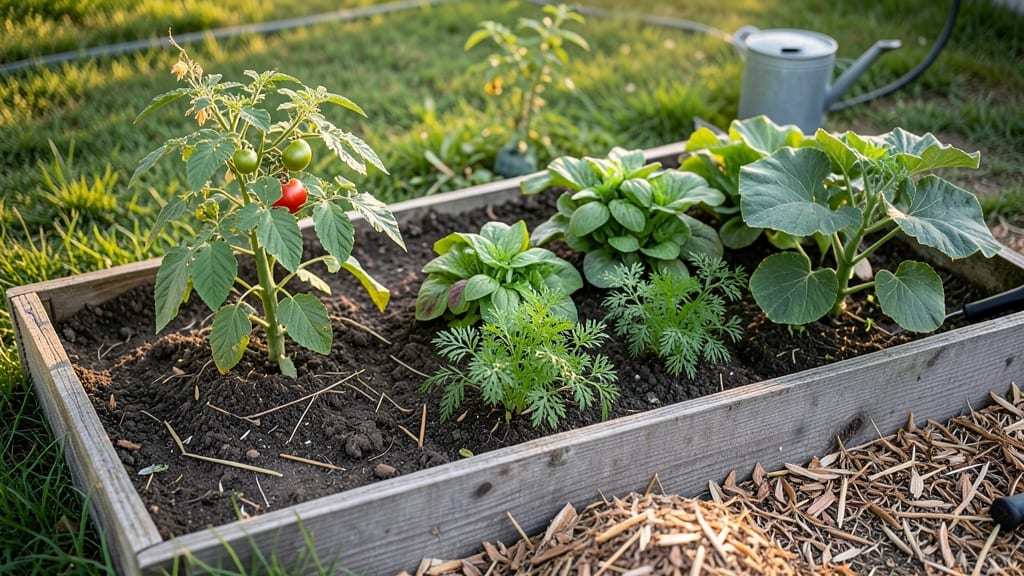
You should put mulch in your vegetable garden to boost moisture retention, block weeds, and stabilize soil temperatures—but use thin layers (2-4 inches) to prevent suffocating roots or attracting pests. Organic options like straw or wood chips also feed the soil as they decompose.
Mulch works like a protective blanket for your garden beds, shielding roots from extreme heat or cold while locking in moisture for longer growing seasons. 🌱 The right type—whether shredded leaves, straw, or pine needles—also prevents soil compaction and encourages beneficial microbes that break down organic matter into plant nutrients.
I’ve seen firsthand how mulched gardens stay lush even during dry spells, with fewer weeds competing for resources.
That said, not all mulches are equal. Avoid thick layers (over 4 inches) near shallow-rooted veggies like lettuce, and steer clear of untreated wood chips that can leach harmful compounds. Spring is the best time to apply mulch, giving plants a head start before summer’s heat sets in.
💡 In This Article
- How Mulch Enhances Vegetable Garden Soil Health
- Choosing the Right Mulch for Your Vegetable Plants
How mulch enhances vegetable garden soil health
Mulch acts like a living ecosystem for your vegetable garden, creating a microclimate that mimics nature's protective layer.
When organic materials like straw or wood chips break down, they form a porous barrier that reduces water evaporation by up to 70%—imagine how much easier it is to keep your tomatoes hydrated during a 90°F heatwave.
This moisture retention isn't just about convenience; it also prevents soil from drying out to the point where roots can't absorb water, a common issue with shallow-rooted crops like radishes or lettuce.
The real magic happens underground where mulch stimulates microbial activity. As organic mulches decompose, they feed beneficial bacteria and fungi that break down complex compounds into plant-available nutrients.
Studies show that mulched soils can have 20-30% more microbial biomass than unmulched soils, which translates to better nutrient cycling for your vegetables. The decomposition process also creates humus—a sponge-like substance that improves soil structure and holds onto nutrients like nitrogen and phosphorus that would otherwise leach away.
Temperature regulation is another critical benefit where mulch shines. In summer, a 3-inch layer of mulch can keep soil temperatures 5-10°F cooler than bare soil, protecting delicate root systems from heat stress.
Conversely, in winter, it acts as insulation, preventing soil from freezing solid—critical for overwintering crops like garlic or kale. The temperature buffer zone also helps maintain consistent growing conditions, which is particularly valuable for heat-sensitive vegetables like peppers that struggle when soil temps fluctuate wildly.
Not all mulches work the same way, though. Organic mulches like straw or grass clippings gradually enrich the soil as they decompose, while inorganic options like black plastic primarily serve as moisture barriers.
The key difference lies in how they interact with soil biology: organic mulches become part of the soil ecosystem, while inorganic mulches remain passive. For vegetable gardens, organic mulches are generally preferred because they improve soil fertility over time, creating a self-sustaining system that reduces the need for synthetic fertilizers.
One often-overlooked benefit is mulch's ability to prevent soil compaction. When you walk on bare soil, your footsteps compress the particles, reducing pore space that roots need for oxygen. A mulch layer absorbs the impact, maintaining that crucial air space.
This is especially important for heavy clay soils where compaction is a chronic problem. The improved aeration helps roots grow deeper and access more nutrients, leading to stronger, more productive plants.
However, there's a balance to strike. Too much mulch—especially thick layers—can create anaerobic conditions where oxygen is scarce, leading to root rot in susceptible plants. The general rule is 2-4 inches for most vegetables, with deeper layers only for perennials or established plants.
The right thickness depends on your climate, soil type, and the specific needs of your crops—something I've learned through trial and error with my own garden experiments.