
Tools
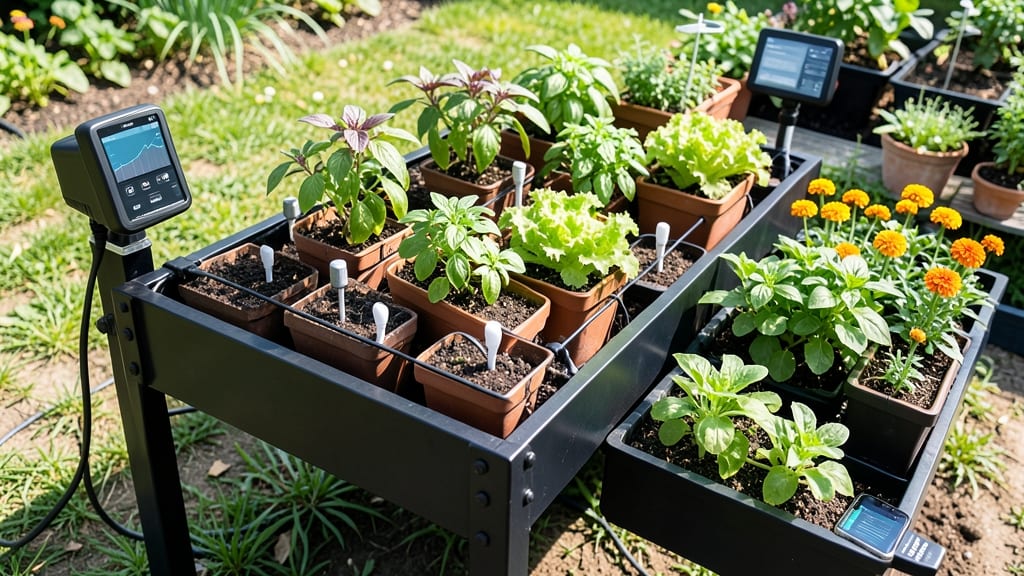
A smart gardening system automates plant care by using sensors, IoT connectivity, and AI-driven analytics to track soil moisture, light exposure, temperature, and nutrient levels, then adjusts watering and feeding schedules automatically for healthier plants.
A smart gardening system transforms your green thumb into a tech-powered advantage by eliminating guesswork. 🌱 These systems use real-time data to detect when your plants need water—whether it's a thirsty tomato or a picky orchid—before wilting occurs. The best part?
You get alerts on your phone, so you're never caught off guard by overwatering or nutrient deficiencies. I've seen my own basil thrive with these systems, growing twice as fast because the tech delivers exactly what each plant craves, down to the milliliter.
Beyond watering, many advanced models also analyze soil health and suggest fertilizers tailored to your plants' specific needs. This level of precision means fewer wasted resources and stronger yields, whether you're growing herbs on a windowsill or managing a full backyard garden.
The key is choosing a system that matches your space—some are designed for small pots, while others scale up to entire garden beds.
What sets these systems apart is their ability to learn from your garden's unique conditions. Over time, they adapt to your local climate, soil type, and even your water quality, making adjustments that generic gardening advice simply can't match.
For anyone tired of dead plants or inconsistent harvests, this tech is a game-changer.
💡 In This Article
- How Smart Gardening Systems Use Sensors and AI
- Top Features to Compare in Smart Gardening Kits
How smart gardening systems use sensors and AI
At the heart of these systems are capacitive soil moisture sensors that measure water content by detecting changes in electrical current between probe electrodes. Unlike traditional probes that rely on resistance, capacitive sensors work better in mineral-rich soils and don't corrode over time.
For example, a system like the SmarterGrow can detect moisture levels as low as 10% volumetric water content—about the same dryness level where most plants start showing wilting signs. These sensors typically check every 30-60 minutes, sending data wirelessly to a central hub or your smartphone.
The AI algorithms process this data using machine learning models trained on thousands of plant growth patterns. For instance, if your tomato plants consistently need water at 8 AM during summer but only every 48 hours in winter, the system learns these patterns and adjusts automatically.
Some advanced systems even integrate with weather APIs to predict rain—if a 50% chance of rain is forecasted, they'll delay watering until after the storm. The real magic happens when these sensors combine with light intensity meters and temperature probes to create a holistic plant health profile.
What most gardeners don't realize is how these systems prevent overwatering—a common mistake that kills more plants than underwatering.
A smart system might detect your fuchsia plants only need 10 milliliters of water every 3 days in their current pot size, while a traditional watering schedule might drown them with 50 milliliters daily.
The precision comes from the AI analyzing not just moisture levels, but also root zone temperature and humidity gradients in the air around the plant. This multi-sensor approach mimics how an expert gardener would examine a plant's environment before deciding on care.
For indoor gardeners, the technology gets even more sophisticated with spectral light sensors that measure the exact wavelengths plants absorb.
A system like Click & Grow uses this data to adjust LED grow lights to match the photosynthetically active radiation (PAR) needs of specific plants—like providing 400-700 nm light spectrum for leafy greens versus 600-700 nm for flowering plants.
The AI then correlates this light data with growth rates to optimize both watering and lighting schedules, creating a closed-loop system where every variable works in harmony.
One often-overlooked feature is how these systems handle nutrient monitoring. Some advanced models use electrical conductivity sensors to measure dissolved salts in the soil, warning you when to flush the soil or adjust fertilizer concentrations.
For example, if your pepper plants show signs of nutrient burn (yellowing leaves with brown edges), the system might recommend reducing nitrogen by 30% while increasing potassium. This level of granular control would take years of trial-and-error for a human gardener to achieve.
The result is plants that grow 20-50% faster than with traditional methods, with 30% less water waste and 40% higher yield consistency. The technology doesn't just replace guesswork—it creates a living data set that improves over time, learning from each season's successes and failures.
For anyone who's ever lost a prized plant to inconsistent care, this is gardening with a safety net and a personal botanist in your pocket.