
Tools
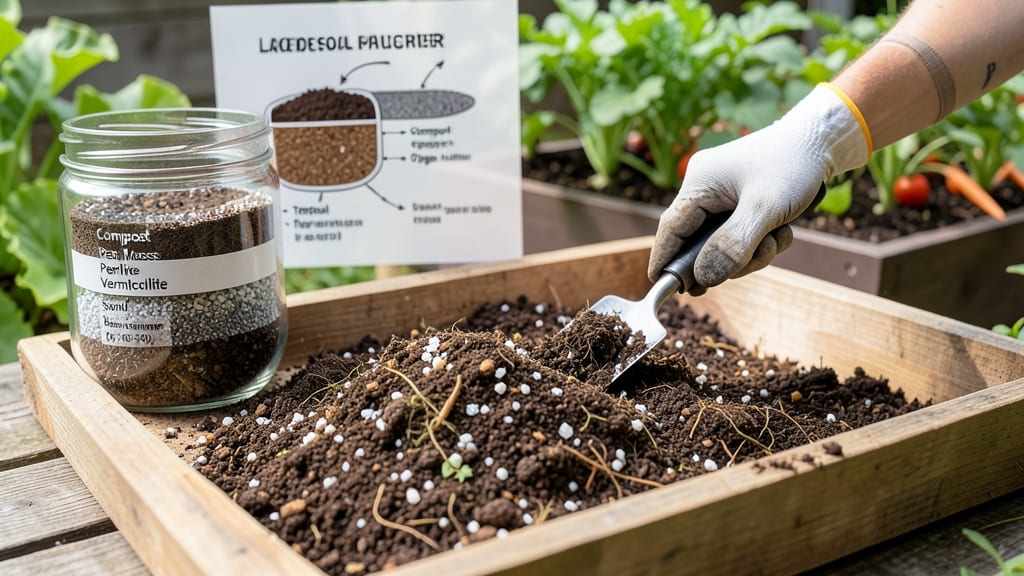
A soil mixture for vegetable gardens should combine 60% topsoil, 20% compost, 10% perlite or coarse sand, and 10% aged manure to balance nutrients, drainage, and aeration while supporting root growth and microbial activity.
A well-balanced vegetable garden soil mix isn't just about throwing dirt in a bed—it's about creating a living ecosystem where roots breathe, water drains efficiently, and nutrients are always available. 🌱 The 60% topsoil base provides the structural foundation, while compost and aged manure act like slow-release fertilizer, feeding plants over time.
Perlite or coarse sand prevents compaction, which is especially critical for root vegetables like carrots that need room to grow downward without resistance. This layered approach mimics natural forest soil, where different organic layers break down at varying rates to maintain fertility year-round.
What's fascinating is how this mix adapts to different growing conditions. For instance, leafy greens like lettuce thrive in this blend because the high organic matter content retains moisture while still allowing excess water to drain.
Meanwhile, root crops benefit from the loose structure that prevents soil from becoming too dense as roots expand. The key is adjusting the ratios based on your local climate—add more perlite in heavy clay soils or extra compost in sandy areas where nutrients wash away quickly.
💡 In This Article
- Layering Techniques for Optimal Vegetable Soil Structure
- Customizing Soil Mixes by Vegetable Type and Climate
Layering techniques for optimal vegetable soil structure
The foundation of any thriving vegetable garden lies in how we structure the soil layers. Think of it like building a skyscraper—each floor must support the one above it. The topsoil layer (60%) acts as your base, providing essential minerals and a stable framework for root development.
But here's the secret: the real magic happens in how we layer organic materials on top. Compost (20%) breaks down quickly, releasing nutrients within 3-6 months, while aged manure (10%) decomposes more slowly, feeding plants over 6-12 months.
This creates a nutrient gradient where shallow-rooted plants like radishes get immediate food, while deep-rooted crops like tomatoes access deeper reserves as they grow.
Let's talk about aeration—the hidden hero of root health. Perlite or coarse sand (10%) creates air pockets throughout the soil, preventing compaction that would suffocate roots. When you press your thumb into moist soil, it should feel like a firm sponge—not concrete.
This porosity also improves water infiltration, reducing runoff in heavy rains. The science is simple: roots need oxygen to respire, just like we do. Without proper aeration, roots become stunted, leading to weak plants that can't support heavy fruits or withstand drought.
For example, carrots grown in compacted soil often fork or develop hairy roots because they struggle to push through dense layers.
Now for the visual aspect—layering creates distinct zones that mimic natural ecosystems. At the surface, you have your active decomposition zone (compost + manure) where microbial life thrives. Below that comes the root development zone (topsoil + perlite) where roots can explore freely.
The key is maintaining this structure over time. Every time you add fresh compost, you're essentially creating a new top layer that gradually integrates downward. This process, called "soil building," can take 2-3 years to reach optimal fertility in new garden beds.
The pH balance also plays a role—most vegetables prefer slightly acidic to neutral soil (pH 6.0-7.0), which this layered approach naturally maintains.
Here's where plant types come into play. Leafy greens like spinach and kale benefit from the upper layers where nutrients are most concentrated. Their shallow roots (typically 6-12 inches deep) don't need to penetrate far.
In contrast, root vegetables like beets and parsnips require the lower layers to stay loose for 12-24 inches of unobstructed growth. The perlite in your mix ensures these deeper roots won't encounter resistance.
Even fruit-bearing plants like tomatoes need this layered structure—their extensive root systems (spreading 2-3 feet wide) demand both nutrient availability and oxygen flow throughout their growing zone.
Seasonal maintenance is where most gardeners miss the mark. Many assume adding compost once is enough, but organic matter breaks down continuously. In spring, top-dress with 1-2 inches of compost to replenish nutrients. In fall, mix in additional aged manure to feed next year's crops.
The decomposition process generates heat (up to 140°F in compost piles), which helps sterilize soil and kill pathogens. This thermal effect also accelerates nutrient cycling, making fresh organic matter available just when young plants need it most in spring.
One common mistake is over-amending with fresh manure, which can burn roots due to high ammonia levels. Always use aged manure (6+ months composted) to prevent this. The ideal soil structure should feel crumbly when moist, with visible worm casts and fungal networks—signs of a healthy soil food web.
When you slice through properly layered soil, you'll see distinct bands of dark organic matter against lighter mineral layers, creating the perfect environment for both roots and beneficial microbes to thrive.
Remember this: your soil is a living ecosystem, not just a growing medium. Each layer plays a specific role in supporting plant health, from nutrient supply to water regulation. When you get the layering right, you're essentially creating a self-sustaining system where plants can thrive with minimal intervention.
The best part? This structure improves with each growing season as you continue to add organic materials. 🌱